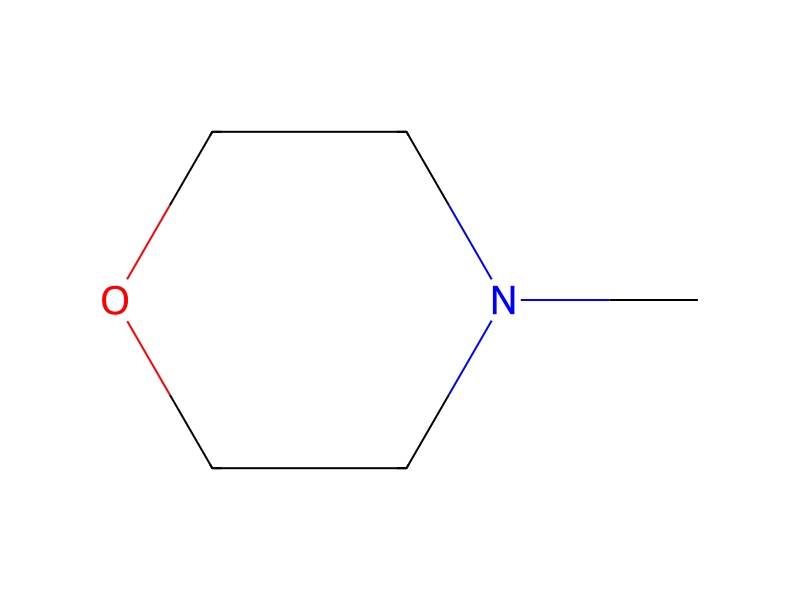
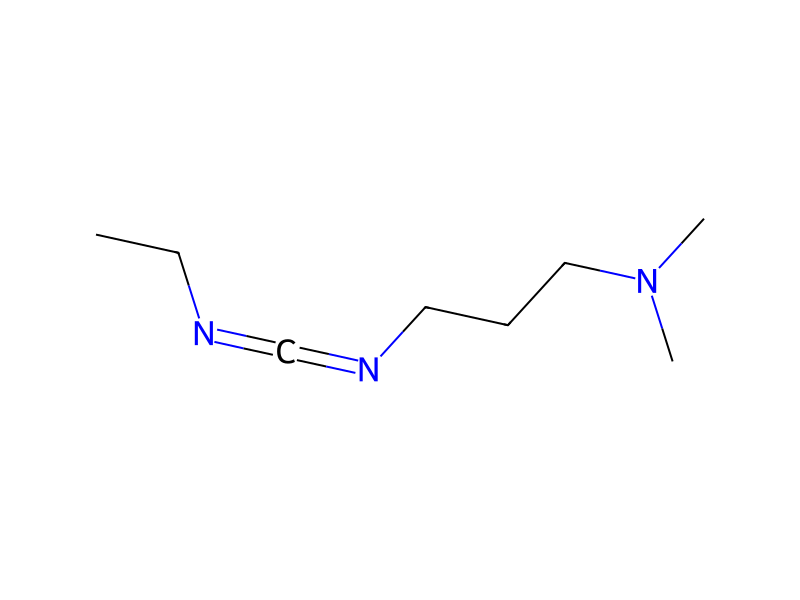
[OH:1][C:2]1[CH:7]=[CH:6][C:5]([CH:8]([C:12]2[CH:17]=[CH:16][C:15]([OH:18])=[CH:14][CH:13]=2)[C:9]([OH:11])=O)=[CH:4][CH:3]=1.CN(C)CCCN=C=NCC.Cl.C[O:32][C:33](=[O:36])[CH2:34][NH2:35].CN1CCOCC1>C(Cl)Cl.C(OCC)(=O)C.Cl.N1C=CC=CC=1.C1COCC1>[C:33]([CH2:34][NH:35][C:9](=[O:11])[CH:8]([C:5]1[CH:4]=[CH:3][C:2]([OH:1])=[CH:7][CH:6]=1)[C:12]1[CH:17]=[CH:16][C:15]([OH:18])=[CH:14][CH:13]=1)([OH:36])=[O:32]To a stirred solution in CH2Cl2 (0.5 mL), THF (20 mL), and pyridine (20 mL) of 2,2-bis(4-hydroxyphenyl)acetic acid (0.94 g, 3.85 mmol), prepared as in Example 31, was added 1-(3-dimethylaminopropyl)-3-ethylcarbodiimide (1.10 g, 5.76 mmol), glycine methyl ester hydrochloride (0.723 g, 5.76 mmol), and N-methylmorpholine (0.63 mL, 5,76 mmol) and the mixture was stirred overnight at room temperature. The reaction mixture was then diluted with ethyl acetate and aqueous 0.5N HCl. The organic layer was washed with 0.5N HCl (3×), saturated aqueous NaHCO3 (3×), and brine, dried over MgSO4, filtered, and concentrated in vacuo. The residue was dried to constant weight on high vacuum to give 1.05 g (87%) of 2,2-bis(4-hydroxyphenyl)acetic acid-N-carboxymethyl amide.