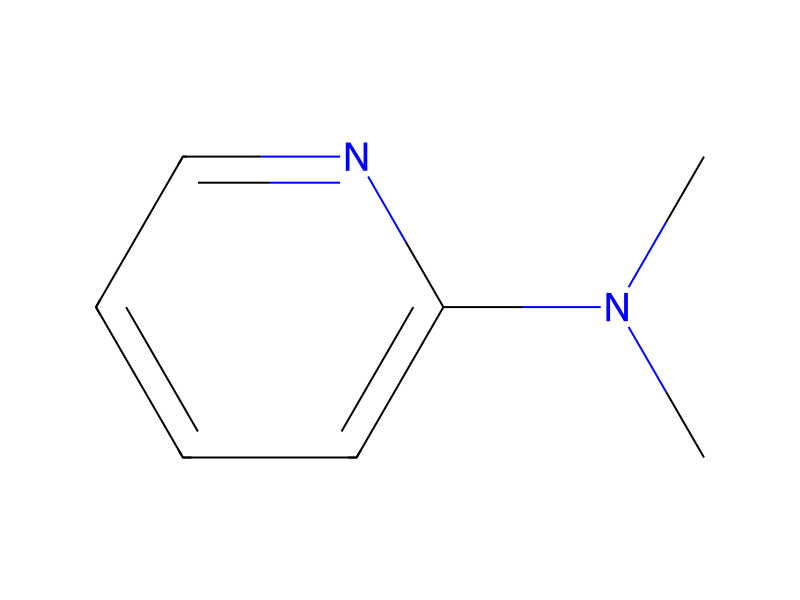
CN(C1C=CC=CN=1)C.[OH:10][CH:11]([C:27]1[CH:32]=[CH:31][CH:30]=[CH:29][CH:28]=1)[CH:12]([C:21]([O:23][CH:24]([CH3:26])[CH3:25])=[O:22])[CH2:13][CH2:14][C:15]([O:17][CH:18]([CH3:20])[CH3:19])=[O:16].[C:33](OC(=O)C)(=[O:35])[CH3:34].Cl>N1C=CC=CC=1>[C:33]([O:10][CH:11]([C:27]1[CH:28]=[CH:29][CH:30]=[CH:31][CH:32]=1)[CH:12]([C:21]([O:23][CH:24]([CH3:26])[CH3:25])=[O:22])[CH2:13][CH2:14][C:15]([O:17][CH:18]([CH3:19])[CH3:20])=[O:16])(=[O:35])[CH3:34]70 mg of dimethylaminopyridine was added to a mixed solution comprising 6.13 g of diisopropyl 4-hydroxy-4-phenyl-1,3-butanedicarboxylate, 30 ml of pyridine and 6 ml of acetic anhydride, followed by stirring at room temperature for 1.5 hours. 2N hydrochloric acid was added to the reaction solution, and then the mixture was extracted with ethyl acetate. The organic layer was sequentially washed with 2N hydrochloric acid, a saturated sodium hydrogencarbonate aqueous solution and a saturated sodium chloride aqueous solution and dried over anhydrous magnesium sulfate. The drying agent was filtered off, and then, the solvent was distilled off under reduced pressure. The residue was purified by silica gel column chromatography (hexane/ethyl acetate=5/1) to obtain 4.68 g of the above-identified compound as a colorless oily substance.