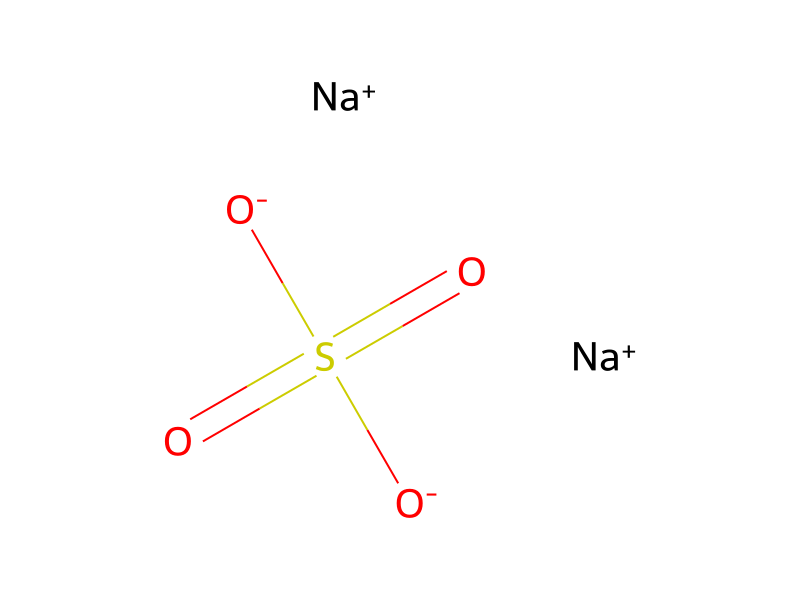
C[O:2][C:3]([C:5]1[C:6]([O:20][CH3:21])=[CH:7][C:8]2[S:12][C:11]([C:13]3[CH:18]=[CH:17][CH:16]=[CH:15][CH:14]=3)=[N:10][C:9]=2[CH:19]=1)=O.[H-].[Al+3].[Li+].[H-].[H-].[H-].S([O-])([O-])(=O)=O.[Na+].[Na+]>O1CCCC1>[CH3:21][O:20][C:6]1[C:5]([CH2:3][OH:2])=[CH:19][C:9]2[N:10]=[C:11]([C:13]3[CH:18]=[CH:17][CH:16]=[CH:15][CH:14]=3)[S:12][C:8]=2[CH:7]=1A 1 liter round bottom flask was charged with 12.88 grams (45.2 mmol) of methyl-6-methoxy-2-phenyl-5-benzothiazolecarboxylate (as part of a mixture of regioisomeric carboxylates) in 600 mL of dry tetrahydrofuran (THF). This solution was cooled to 0° C. and treated with 67.8 mL (67.8 mmol) of a 1.0M solution of lithium aluminum hydride in THF. The dark reaction mixture was stirred for 5 hours under nitrogen. The reaction was worked up by the careful dropwise addition of a saturated aqueous solution of sodium sulfate until a granular precipitate formed. The suspension was filtered and evaporated. The residue was dissolved in ethyl acetate and washed with water and saturated brine solution. The organic phase was dried over sodium sulfate and evaporated. This product was used directly in the next step. (10.94 grams crude yield)
Wird geladen…