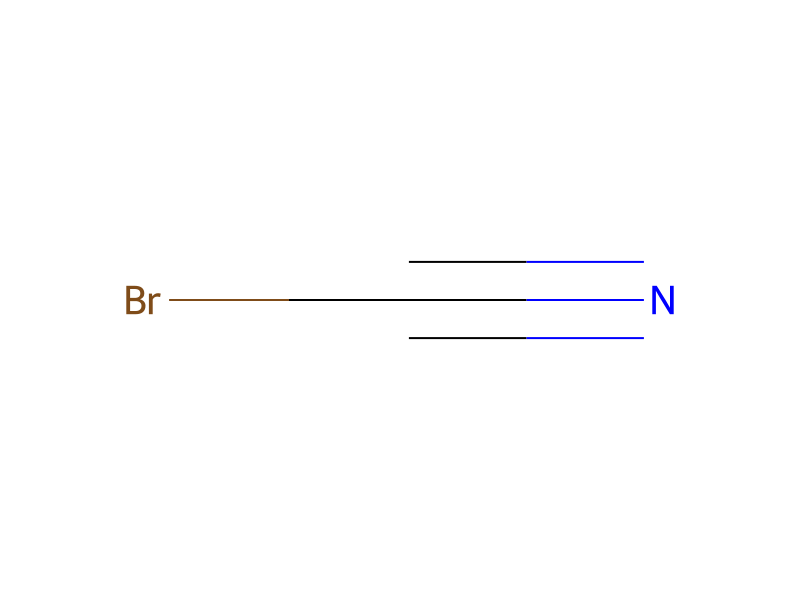
[NH:1]1[CH:5]=[CH:4][N:3]=[C:2]1[CH2:6][C:7]1[CH:12]=[CH:11][CH:10]=[CH:9][C:8]=1[NH:13][C:14]([N:16]1[CH2:21][CH2:20][N:19]([C:22]([O:24][CH2:25][CH3:26])=[O:23])[CH2:18][CH2:17]1)=S.C(=O)([O-])[O-].[K+].[K+].N#CBr>C(#N)C>[CH2:25]([O:24][C:22]([N:19]1[CH2:20][CH2:21][N:16]([C:14]2[N:3]3[CH:4]=[CH:5][N:1]=[C:2]3[CH2:6][C:7]3[CH:12]=[CH:11][CH:10]=[CH:9][C:8]=3[N:13]=2)[CH2:17][CH2:18]1)=[O:23])[CH3:26]To a solution of 8.9 g of 1-[2-(2-imidazolylmethyl)phenylthiocarbamoyl]-4-ethoxycarbonylpiperazine in 70 ml of acetonitrile, cooled to 0°, is added 2.4 g of solid potassium carbonate while stirring, followed by dropwise addition of a solution of 2.5 g of cyanogen bromide in 10 ml of acetonitrile; the mixture is allowed to warm up to room temperature overnight. The solids are filtered off, washed with ethyl acetate, and the filtrate is evaporated to dryness. The residue is dissolved in methylene chloride, the solution is washed with water, dried over MgSO4, decolorized with charcoal and evaporated to dryness. The residue is chromatographed with 250 g of silica gel using ethyl acetate-methanol (9:1) as eluant to give 5-(4-ethoxycarbonyl-1-piperazinyl)-11H-imidazo[1,2-c][1,3]benzodiazepine, m.p. 137°-139°.