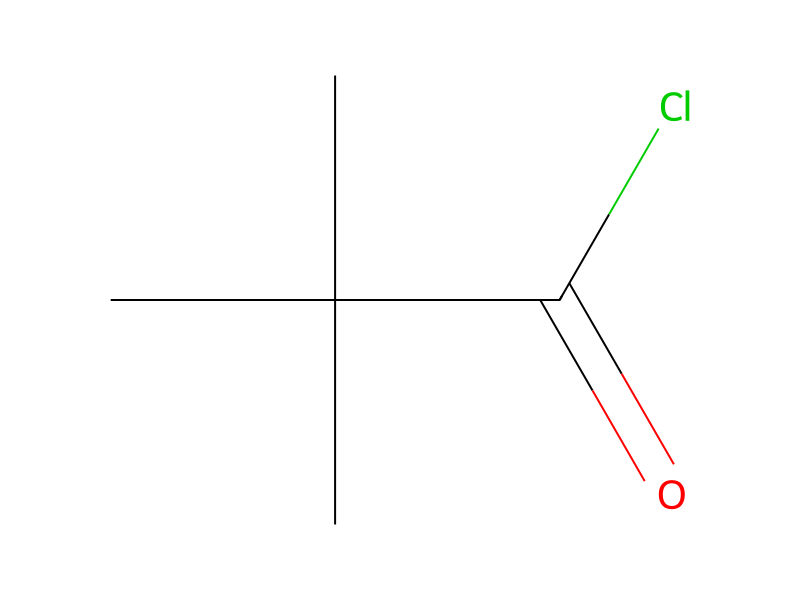
[NH:1]1[C:9]2[C:4](=[CH:5][C:6]([NH2:10])=[CH:7][CH:8]=2)[CH:3]=[CH:2]1.C(N(CC)CC)C.[C:18](Cl)(=[O:23])[C:19]([CH3:22])([CH3:21])[CH3:20]>ClCCl.O>[NH:1]1[C:9]2[C:4](=[CH:5][C:6]([NH:10][C:18](=[O:23])[C:19]([CH3:22])([CH3:21])[CH3:20])=[CH:7][CH:8]=2)[CH:3]=[CH:2]1To a stirred solution of 5-Indole amine (0.6 g, 4.54 mmol) in anhydrous dichloromethane (15 mL), triethylamine (1.3 mL, 9.0 mmol) and pivaloyl chloride (0.45 mL, 5.4 mmol) were added and stirred at room temperature for 2 h. The reaction mixture was diluted with water; the organic layer was separated and concentrated in vacuo. The resultant residue was purified by flash column chromatography to give N-(1H-indol-5-yl)pivalamide (0.88 g, 89%); MS: 217.0 (M+1).