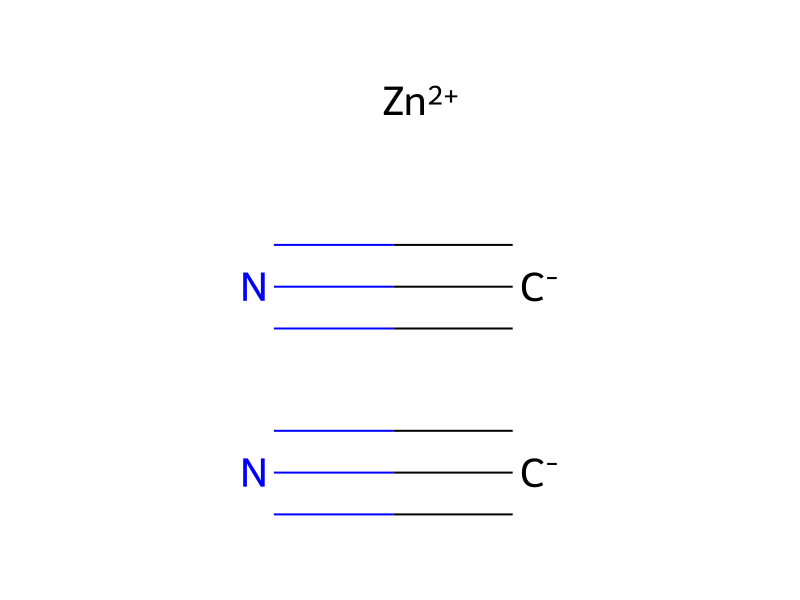
Br[C:2]1[CH:7]=[CH:6][C:5]([C:8]2([OH:19])[CH2:11][N:10]([C:12]([O:14][C:15]([CH3:18])([CH3:17])[CH3:16])=[O:13])[CH2:9]2)=[CH:4][CH:3]=1.[CH3:20][N:21](C)C=O>[C-]#N.[Zn+2].[C-]#N.C1C=CC([P]([Pd]([P](C2C=CC=CC=2)(C2C=CC=CC=2)C2C=CC=CC=2)([P](C2C=CC=CC=2)(C2C=CC=CC=2)C2C=CC=CC=2)[P](C2C=CC=CC=2)(C2C=CC=CC=2)C2C=CC=CC=2)(C2C=CC=CC=2)C2C=CC=CC=2)=CC=1>[C:20]([C:2]1[CH:7]=[CH:6][C:5]([C:8]2([OH:19])[CH2:11][N:10]([C:12]([O:14][C:15]([CH3:18])([CH3:17])[CH3:16])=[O:13])[CH2:9]2)=[CH:4][CH:3]=1)#[N:21]Into a 500-mL round-bottom flask, purged and maintained with an inert atmosphere of nitrogen, was placed a mixture of tert-butyl 3-(4-bromophenyl)-3-hydroxyazetidine-1-carboxylate (compound 43.1, 16.3 g, 49.7 mmol) in N,N-dimethylformamide (250 mL), zinc cyanide (8.7 g, 75 mmol) and Pd(PPh3)4 (5.77 g, 5.00 mmol). The resulting mixture was stirred for 15 h at 100° C., then cooled to room temperature. The reaction was quenched with saturated aqueous FeSO4 (500 mL) and stirred vigorously. The mixture was filtered through Celite® and the layers from the filtrate were separated. The aqueous phase was extracted with ethyl acetate (300 mL) and the combined organic layers were washed with brine (2×100 mL), dried (Na2SO4), filtered, and concentrated under reduced pressure. The residue was purified by silica gel column chromatography with ethyl acetate/petroleum ether (1/100-1/3) as the eluent to yield 14 g (crude) of the title compound as a white solid.
Wird geladen…