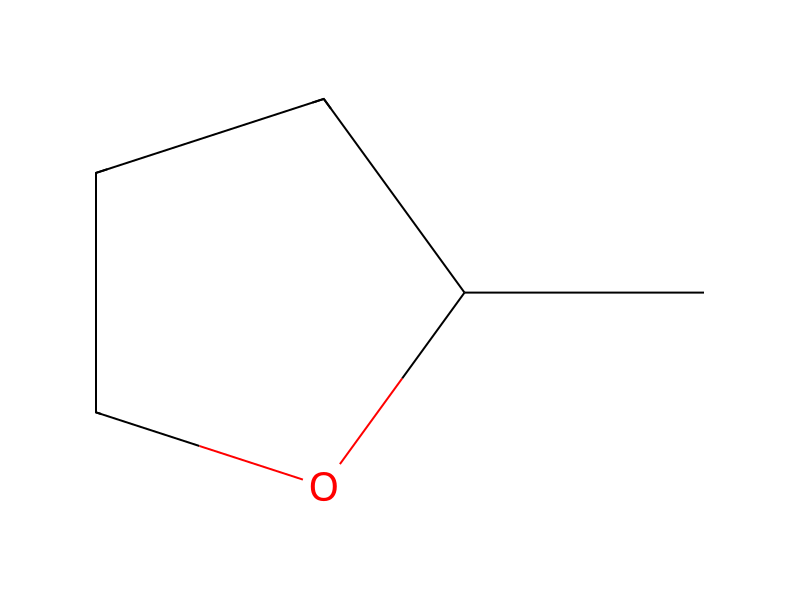
tert-Butyl 2-ethanimidoylhydrazinecarboxylate (5.9 g, 34 mmol), 2-bromo-1-(5-bromo-1-methyl-1H-pyrazol-4-yl)ethanone (from the previous step, 8.00 g, approximately 24 mmol) and N,N-diisopropylethylamine (10.9 mL, 62.6 mmol) were heated to reflux in a mixture of 2-methyltetrahydrofuran (200 mL) and 1,2-dimethoxyethane (50 mL). After 2.5 hours, the reaction was cooled and washed with 50% saturated aqueous sodium chloride solution (75 mL). The aqueous layer was extracted with 2-methyltetrahydrofuran (50 mL), and the combined organic layers were dried over magnesium sulfate, filtered and concentrated in vacuo. The residue was chromatographed (Gradient: 0% to 8% methanol in dichloromethane), and the purified material (7.5 g) was dissolved in diethyl ether (25 mL), treated with hexane (4 drops), and allowed to crystallize. The resulting solid was collected and washed with a small amount of cold diethyl ether to provide the product as a very pale pink solid. Yield: 6.49 g, 18.2 mmol, 59% over 2 steps. LCMS m/z 358.4 (M+1). 1H NMR (500 MHz, CDCl3) δ 1.49 (br s, 9H), 2.16 (br s, 3H), 3.85 (s, 3H), 7.17 (s, 1H), 7.89 (s, 1H), 8.8-9.3 (v br s, 1H).