StartseiteMCPSkillsWorkbenchOpenChem
StartseiteWorkbenchBenachrichtigungenMein Bereich
llms.txt · skill.md · MCP-AnleitungDatenschutz · Nutzungsbedingungen · Supportv1.8.5
  1. Startseite
  2. /Reaktion

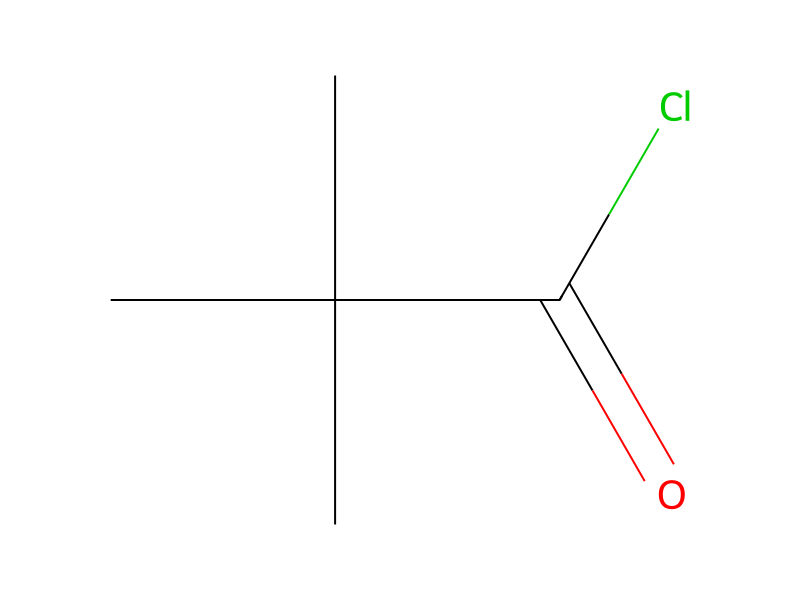
Pivaloyl chloride → (3S,5S)-5-biphenyl-4-ylmethyl-1-(2,2-dimethylpropionyl)-3-methylpyrrolidin-2-one

HRID 1500448
Drucken

Reaktionsgleichung

[C:1]1([C:15]2[CH:20]=[CH:19][CH:18]=[CH:17][CH:16]=2)[CH:6]=[CH:5][C:4]([CH2:7][C@H:8]2[NH:12][C:11](=[O:13])[C@@H:10]([CH3:14])[CH2:9]2)=[CH:3][CH:2]=1.C(OC(=O)[C@H](C)C[C@H:27]([N:41]1[C:45](=O)[CH2:44][CH2:43][C:42]1=O)CC1C=CC(C2C=CC=CC=2)=CC=1)C.C([Li])CCC.[C:55](Cl)(=[O:60])[C:56]([CH3:59])([CH3:58])[CH3:57]>C1COCC1>[C:1]1([C:15]2[CH:16]=[CH:17][CH:18]=[CH:19][CH:20]=2)[CH:2]=[CH:3][C:4]([CH2:7][C@H:8]2[N:12]([C:55](=[O:60])[C:56]([CH3:59])([CH3:58])[CH3:57])[C:11](=[O:13])[C@@H:10]([CH3:14])[CH2:9]2)=[CH:5][CH:6]=1.[C:1]1([C:15]2[CH:16]=[CH:17][CH:18]=[CH:19][CH:20]=2)[CH:2]=[CH:3][C:4]([CH2:7][C@H:8]2[N:12]([CH2:27][N:41]3[CH2:45][CH2:44][CH2:43][CH2:42]3)[C:11](=[O:13])[C@H:10]([CH3:14])[CH2:9]2)=[CH:5][CH:6]=1
KomponentenReaktionsbedingungenVersuchsvorschriftAufarbeitungQuellen und NachweiseNotizen zur Reaktion

Komponenten

7

Edukt 4

HCID 62493Pivaloyl chlorideHCID 59318451(3S,5S)-5-biphenyl-4-ylmethyl-3-methylpyrrolidin-2-oneHCID 66739220(2R,4S)-5-Biphenyl-4-yl-4-(2,5-dioxopyrrolidin-1-yl)-2-methylpentanoic acid ethyl esterHCID 178418339Butyllithium

Produkt 2

HCID 59318452(3S,5S)-5-biphenyl-4-ylmethyl-1-(2,2-dimethylpropionyl)-3-methylpyrrolidin-2-one
HCID 68714094HCID 68714094, Verbindung

Reagenzien, Katalysatoren, Lösungsmittel 1

HCID 8028TetrahydrofuranLösungsmittel

Reaktionsbedingungen

Temperatur
-78 °C

Versuchsvorschrift

146 mg (3S,5S)-5-biphenyl-4-ylmethyl-3-methylpyrrolidin-2-one (2-b, R1=H) [9:1 diastereoisomer mixture [(2S,4S):(2R,4S)]] is added to 10 ml THF. The mixture is cooled to −78° C. and 381 μl butyllithium (1.59 M in hexane) are added. 81 μl Pivaloyl chloride is then added. After 4 h, the mixture is warmed to room temperature. The mixture is then quenched by the addition of saturated ammonium chloride solution and isopropyl acetate. The phases are separated and the organic phase dried (MgSO4) and then concentrated in vacuo. The residue is purified by column chromatography, by eluting with isopropyl acetate/hexane 3:1 to 1:0 to afford (3S,5S)-5-biphenyl-4-ylmethyl-1-(2,2-dimethylpropionyl)-3-methylpyrrolidin-2-one (2-b, R1=pivaloyl) and (3R,5S)-5-biphenyl-4-ylmethyl-1-(2,2-dimethylpropionyl)-3-methylpyrrolidin-2-one (2-a, R1=pivaloyl). Ratio of diastereoisomers determined by 1H NMR to be 4:1 [(3S,5S):(3R,5S)]. 1H NMR (CDCl3) for (2-b, R1=Piv): 1.09, 1.14 (3H), 1.30 (9H), 1.34 (1H), 2.01-2.66 (3H), 3.03, 3.27 (1H), 4.31, 4.50 (1H), 7.21-7.53 (9H). Diastereomeric ratio is determined by integration of the pairs of signals at [3.03 ppm (2-a, R1=Piv) and 3.27 ppm (2-b, R1=Piv)] or those at [4.31 ppm (2-b, R1=Piv) and 4.50 ppm (2-a, R1=Piv)] from the 1H NMR spectrum. Spectroscopic data for (2-a, R1=Piv) as in Example 5.

Aufarbeitung

  1. temperaturethe mixture is warmed to room temperature
  2. customThe mixture is then quenched by the addition of saturated ammonium chloride solution and isopropyl acetate
  3. customThe phases are separated
  4. dry with materialthe organic phase dried (MgSO4)
  5. concentrationconcentrated in vacuo
  6. customThe residue is purified by column chromatography
  7. washby eluting with isopropyl acetate/hexane 3:1 to 1:0

Quellen und Nachweise

ORD-Eintrag
ord-84f500b4ef1f4bcc8338d215d0624ff4
Quelldatensatz
uspto-grants-2015_12
DOI
10.6084/m9.figshare.5104873.v1
Patentnummer
US09206116B2

Notizen zur Reaktion

Auf dieser SeiteKomponentenReaktionsbedingungenVersuchsvorschriftAufarbeitungQuellen und NachweiseNotizen zur Reaktion