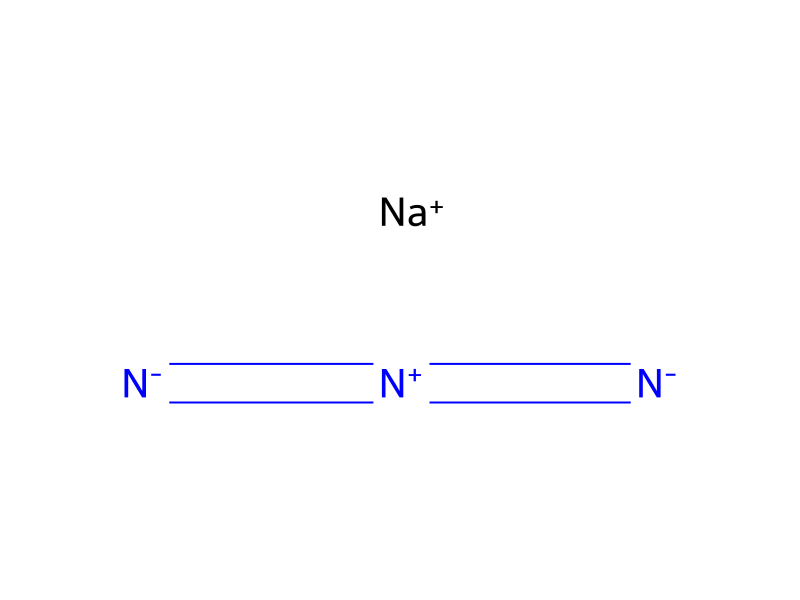
To a cold (0° C.) solution of 2-chloro-6-hydroxymethyl-nicotinic acid methyl ester (4.98 g, 24.8 mmol) in dichloromethane (161 mL) was added mesyl chloride (2.5 mL, 29.8 mmol). The reaction mixture was allowed to warm to room temperature and stirred for 30 minutes. The mixture was diluted with ethyl acetate and washed with a saturated aqueous solution of sodium bicarbonate, water and brine. The organic phase was isolated, dried (Na2SO4), filtered and concentrated in vacuo. The resultant residue was taken up in dimethylformamide (62 mL) and sodium azide (4.03 g, 62 mmol) added. After stirring at room temperature for 16 hours, the reaction mixture was cooled to 0° C., quenched with water (ca. 50 mL), and extracted three times with ethyl acetate. The combined organic extracts were washed with water and brine, dried (Na2SO4), filtered and concentrated in vacuo. The residue was subjected to flash chromatography (Si-PPC, gradient 0% to 50%, ethyl acetate in hexane) to afford the title compound as a pale yellow oil (4.76 g, 85%). LCMS (method B): RT=3.22 min, [M+H]+=227.