StartseiteMCPWorkbenchSkills
StartseiteWorkbenchBenachrichtigungenMein Bereich
llms.txt · MCP-AnleitungDatenschutz · Nutzungsbedingungen · Supportv1.8.3
  1. Startseite
  2. /Reaktion

1,2-Dichloroethane → Methyl 4-oxo-4-(3-(5-phenyl-4-(trifluoromethyl)isoxazol-3-yl)-4,5-dihydronaphtho[1,2-c]isoxazol-7-yl)butanoate

HRID 1506520
Drucken

Reaktionsgleichung

Reaktionsgleichung von HRID 1506520
[C:1]1([C:7]2[O:11][N:10]=[C:9]([C:12]3[O:16][N:15]=[C:14]4[C:17]5[C:22]([CH2:23][CH2:24][C:13]=34)=[CH:21][C:20]([CH:25]=[O:26])=[CH:19][CH:18]=5)[C:8]=2[C:27]([F:30])([F:29])[F:28])[CH:6]=[CH:5][CH:4]=[CH:3][CH:2]=1.ClCCCl.C(N(CC)CC)C.[C:42]([O:46][CH3:47])(=[O:45])[CH:43]=[CH2:44]>[I-].OCCC1SC=[N+](C)C=1C.CCO>[O:26]=[C:25]([C:20]1[CH:21]=[C:22]2[C:17](=[CH:18][CH:19]=1)[C:14]1=[N:15][O:16][C:12]([C:9]3[C:8]([C:27]([F:28])([F:29])[F:30])=[C:7]([C:1]4[CH:2]=[CH:3][CH:4]=[CH:5][CH:6]=4)[O:11][N:10]=3)=[C:13]1[CH2:24][CH2:23]2)[CH2:44][CH2:43][C:42]([O:46][CH3:47])=[O:45]
KomponentenReaktionsbedingungenVersuchsvorschriftAufarbeitungQuellen und NachweiseNotizen zur Reaktion

Komponenten

7

Edukt 4

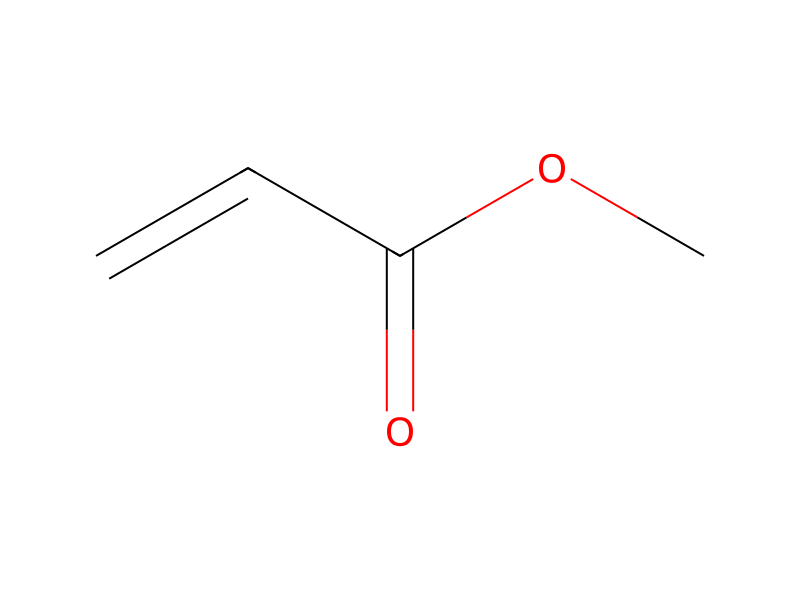
HCID 111,2-DichloroethaneHCID 7294Methyl Acrylate2×HCID 8471TriethylamineHCID 866698753-(5-Phenyl-4-(trifluoromethyl)isoxazol-3-yl)-4,5-dihydronaphtho[1,2-c]isoxazole-7-carbaldehyde

Produkt 1

HCID 67171566Methyl 4-oxo-4-(3-(5-phenyl-4-(trifluoromethyl)isoxazol-3-yl)-4,5-dihydronaphtho[1,2-c]isoxazol-7-yl)butanoate
Ausbeute 23,76 %

Reagenzien, Katalysatoren, Lösungsmittel 2

HCID 98387703,4-Dimethyl-5-(2-hydroxyethyl)thiazolium iodideKatalysator2×HCID 702EthanolLösungsmittel

Reaktionsbedingungen

Temperatur
75 °C

Versuchsvorschrift

To a mixture of 3-(5-phenyl-4-(trifluoromethyl)isoxazol-3-yl)-4,5-dihydronaphtho[1,2-c]isoxazole-7-carbaldehyde (Preparation 88A, 80 mg, 0.195 mmol), 5-(2-hydroxyethyl)-3,4-dimethylthiazolium iodide (11.12 mg, 0.039 mmol), 1,2-dichloroethane (1 mL), EtOH (1.000 mL), triethylamine (0.082 mL, 0.585 mmol) and methyl acrylate (0.053 mL, 0.585 mmol) was bubbled with nitrogen for 1 min. and then sealed in a 1-dram vial. The mixture was heated at 75° C. for 15 h. Additional 5-(2-hydroxyethyl)-3,4-dimethylthiazolium iodide (30 mg) and methyl acrylate (0.053 mL, 0.585 mmol) were added and the mixture was stirred at 75° C. for 7 h. The solvents were removed under reduced pressure. The residue was treated with water (2 mL) and extracted with dichloromethane. The combined dichloromethane extracts were dried (sodium sulfate) and concentrated. Flash chromatography purification (4 g silica gel column, 20→100% dichloromethane in heptanes) afforded methyl 4-oxo-4-(3-(5-phenyl-4-(trifluoromethyl)isoxazol-3-yl)-4,5-dihydronaphtho[1,2-c]isoxazol-7-yl)butanoate (23 mg, 0.046 mmol, 23.76% yield) as a glassy solid.

Aufarbeitung

  1. customwas bubbled with nitrogen for 1 min.
  2. customsealed in a 1-dram vial
  3. customThe solvents were removed under reduced pressure
  4. additionThe residue was treated with water (2 mL)
  5. extractionextracted with dichloromethane
  6. dry with materialThe combined dichloromethane extracts were dried (sodium sulfate)
  7. concentrationconcentrated
  8. customFlash chromatography purification (4 g silica gel column, 20→100% dichloromethane in heptanes)

Quellen und Nachweise

ORD-Eintrag
ord-ea3881b06a4f4ee68e2fa37e69d06f77
Quelldatensatz
uspto-grants-2015_12
DOI
10.6084/m9.figshare.5104873.v1
Patentnummer
US09216972B2

Notizen zur Reaktion

Auf dieser SeiteKomponentenReaktionsbedingungenVersuchsvorschriftAufarbeitungQuellen und NachweiseNotizen zur Reaktion