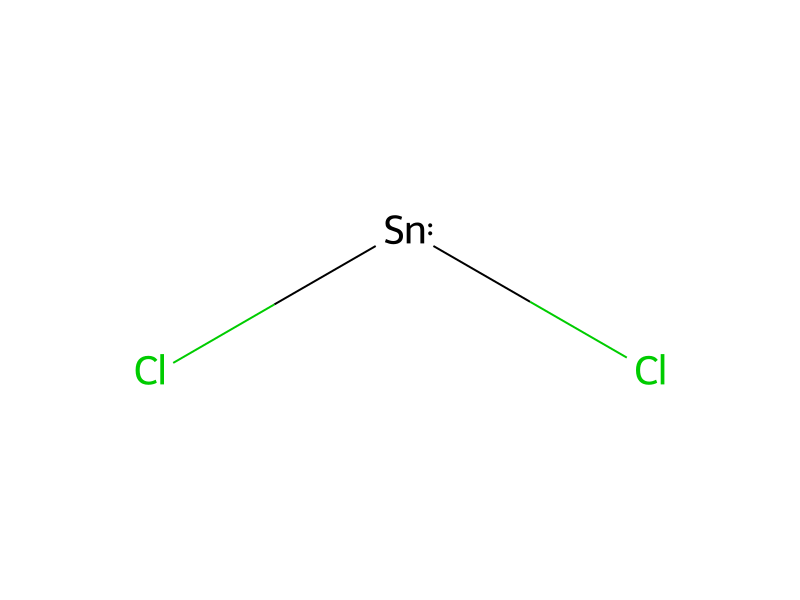
500 mg (1.81 mmol) of 4-chloro-N-(3-nitrophenyl)benzamide was dissolved in 50 mL of anhydrous ethanol. When dissolution was complete, 0.3 mL (3.62 mmol) of concentrated HCl and 1 g (5.43 mmol) of SnCl2 were added. The reaction mixture was then heated to 60° C. for 5 hours, monitoring the formation of the anticipated product by TLC using a petroleum ether/AcOEt (1/2, v/v) mixture as the eluent. When the reaction had finished, a saturated solution of NaHCO3 was added to the reaction medium. After elimination of the ethanol under vacuum, the reaction medium was extracted with ethyl acetate. After filtration, the organic phases were dried over Na2SO4. 440 mg of the compound with formula (VI-2) (yield 94%) was obtained in the form of a brown solid. This compound was then engaged in the subsequent synthesis steps with no supplemental purification.