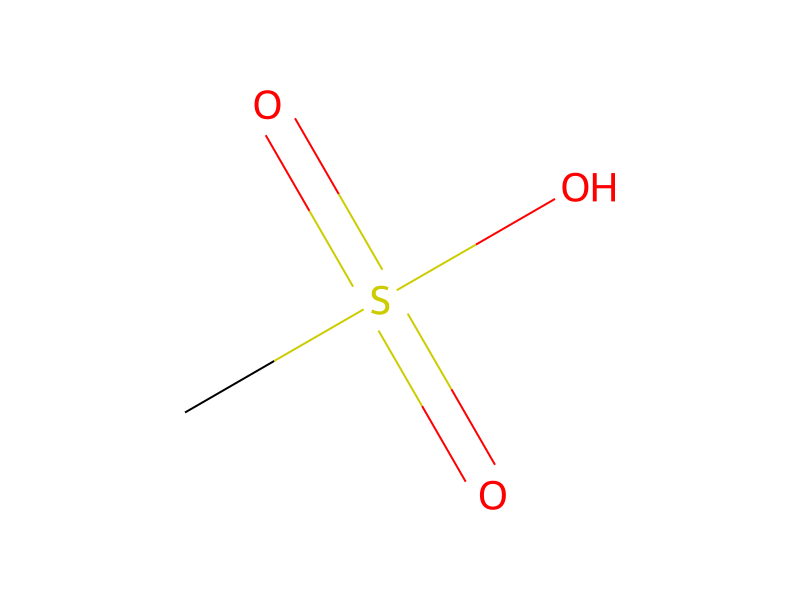
A mixture of 1-(4-fluorophenyl)-2-(5-thiazolyl)ethanone (0.75 g, 3.3 mmol) obtained by a process analogous to that described in Example 1, propane-1,2-diol (2 ml) and methanesulphonic acid (0.5 ml) in xylene (30 ml) was stirred at reflux under an atmosphere of nitrogen for 2 hours using a Dean and Stark apparatus and then cooled to room temperature. The reaction mixture was then poured into water, extracted with ethyl acetate and dried over magnesium sulphate. Evaporation of the solvent under reduced pressure afforded a dark brown oil and flash chromatography of this oil on a silica gel column using 2:8 (v/v) ethyl acetate: petroleum 60-80 yielded two enantiomeric pairs of 2-(4-fluorophenyl)-2-(thiazol-5-ylmethyl)-4-methyl-1,3-dioxolane as Sample A (2R,4R)(2S,4S) 0.17 g and Sample B (2R,4S)(2S,4R), 0.11 g, as oils.