Propylamine → N-(2-(2,4,6-Trichlorophenoxy)ethyl)-1-propanamine
HRID 1535037
Reaktionsgleichung

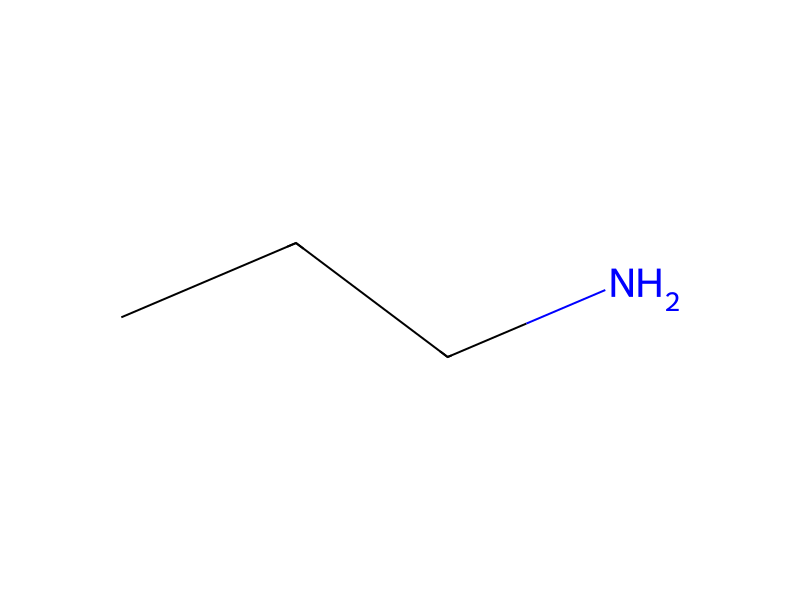
[Cl:1][C:2]1[CH:11]=[C:10]([Cl:12])[CH:9]=[C:8]([Cl:13])[C:3]=1[O:4][CH2:5][CH2:6]Cl.[CH2:14]([NH2:17])[CH2:15][CH3:16]>O>[CH2:14]([NH:17][CH2:6][CH2:5][O:4][C:3]1[C:2]([Cl:1])=[CH:11][C:10]([Cl:12])=[CH:9][C:8]=1[Cl:13])[CH2:15][CH3:16]Komponenten
4
Edukt 2

Produkt 1

Reagenzien, Katalysatoren, Lösungsmittel 1

Versuchsvorschrift
N-n-propyl-N-2-(2,4,6-trichlorophenoxy)-ethylamine is prepared by selectively chlorinating 2-phenoxy ethanol by reacting it with chlorine either in the presence of hydrogen chloride at a temperature of from -10° C. to 50° C. or in the presence of urea at a temperature of from 20° C. to 55° C. in a water/carbon tetrachloride solvent mixture to form 2-(2,4,6-trichlorophenoxy)ethanol; reacting the 2-(2,4,6-trichlorophenoxy)ethanol with thionyl chloride in the presence of a catalytic amount of tetraalkyl ammonium chloride, optionally in the presence of a solvent to form 2-(2,4,6-trichlorophenoxy)ethyl chloride; and reacting the 2-(2,4,6-trichlorophenoxy) ethyl chloride with n-propylamine at a temperature of from 20° C. to 150° C., optionally in the presence of water to form N-n-propyl-N-2-(2,4,6-trichlorophenoxy) ethyl amine.