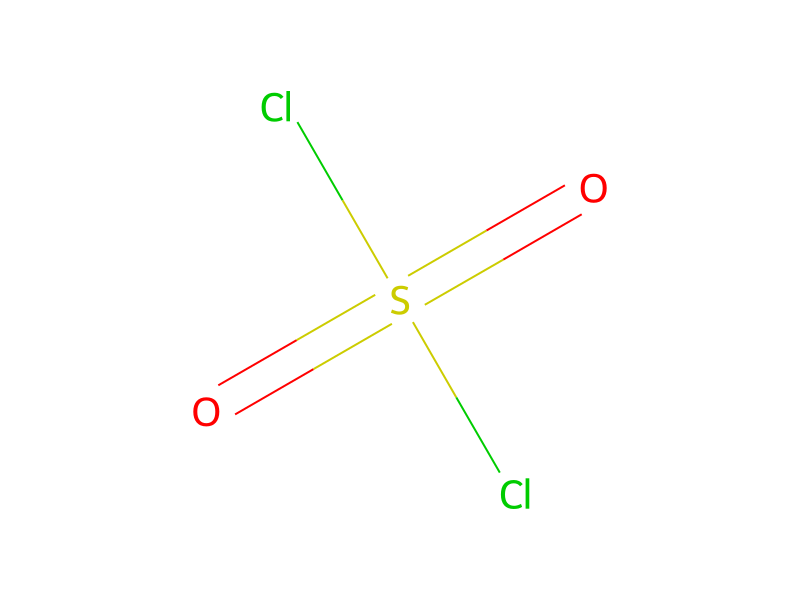
Sulfuryl chloride → HCID 20518024, Verbindung
HRID 1578234
Reaktionsgleichung

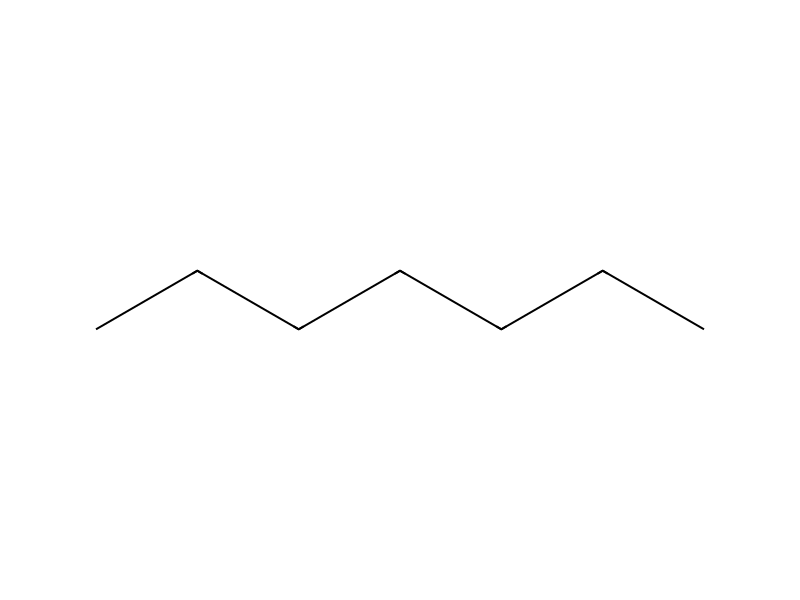
[Cl:1][Si:2]1([CH3:8])[CH2:6][CH2:5][CH:4]([SH:7])[CH2:3]1.S(Cl)(Cl)(=O)=O>CCCCCCC>[Cl:1][Si:2]1([CH3:8])[CH2:6][CH2:5][CH:4]([S:7][S:7][CH:4]2[CH2:5][CH2:6][Si:2]([Cl:1])([CH3:8])[CH2:3]2)[CH2:3]1Komponenten
4
Edukt 2

Produkt 1

Reagenzien, Katalysatoren, Lösungsmittel 1
Versuchsvorschrift
To a 0.5 liter 3-neck round bottom glass flask fitted with a magnetic stirrer, dropping funnel and a nitrogen source was added 33.4 grams (0.20 moles) of 1-chloro-1-methyl-3-mercaptosilacyclopentane and 0.025 liters of n-heptane. Sulfuryl chloride, 13.5 grams (0.10 moles) was rapidly added at 25 C. to the stirred mixture within 3 minutes. After an additional stirring for 42 hours at ambient room temperature, the solvent was removed at about 50 -75 C./20-50 mm and nitrogen bubbled through the viscous residue for 16-20 hours. GLC analysis of the residue (27 grams) indicated 90.2 wt.% of the desired disulfide and 9.8 wt.% of the mercaptan starting material. Based on the purity of the residue, a 74 mole % yield was obtained.