Sodium Hydroxide → 5-[4(2,3-Epoxypropoxy)phenyl]-1,2,3-thiadiazole
HRID 1579056
Reaktionsgleichung

[OH-].[Na+].[OH:3][C:4]1[CH:9]=[CH:8][C:7]([C:10]2[S:14][N:13]=[N:12][CH:11]=2)=[CH:6][CH:5]=1.[CH2:15]([CH:17]1[O:19][CH2:18]1)Br>O>[O:19]1[CH2:18][CH:17]1[CH2:15][O:3][C:4]1[CH:5]=[CH:6][C:7]([C:10]2[S:14][N:13]=[N:12][CH:11]=2)=[CH:8][CH:9]=1Komponenten
5
Edukt 3

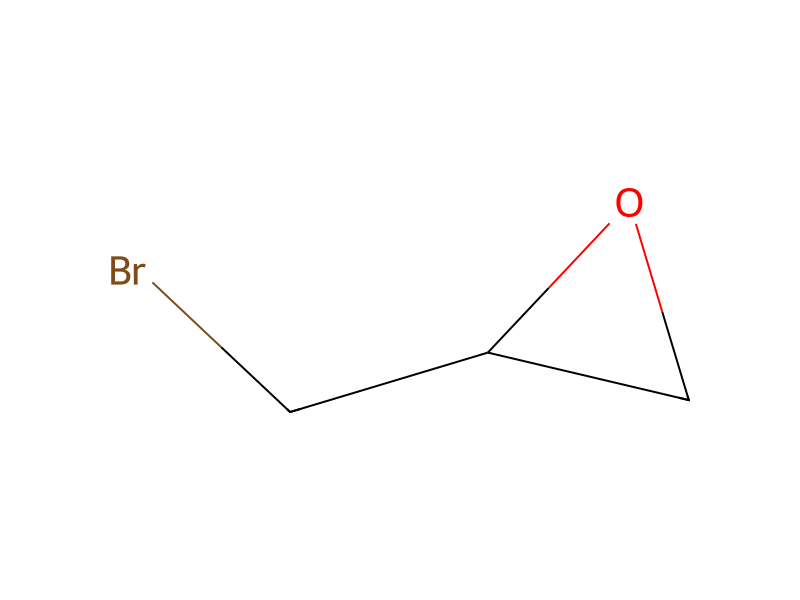

Produkt 1

Reagenzien, Katalysatoren, Lösungsmittel 1

Versuchsvorschrift
To a solution of 0.92 g. of sodium hydroxide in 425 ml. of water is added 4.1 g. of 5-(4-hydroxyphenyl)-1,2,3-thiadiazole and 5.4 ml. of epibromohydrin, stirring the reaction mixture for 20 hours at room temperature. It is then extracted with ethyl acetate, and the organic extract washed with water to neutrality, dried over sodium sulfate and evaporated to dryness under reduced pressure. The residue is chromatographed on silica gel plates using a mixture of chloroform-acetone (95:5) as eluant to yield 5-[4(2,3-epoxypropoxy)phenyl]-1,2,3-thiadiazole. This product can be further purified by crystallization from methylene chloridehexane.