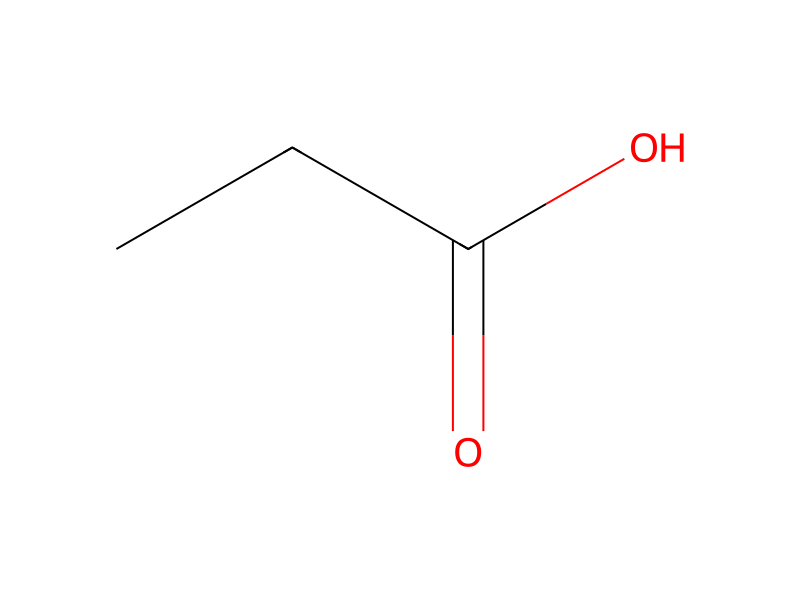
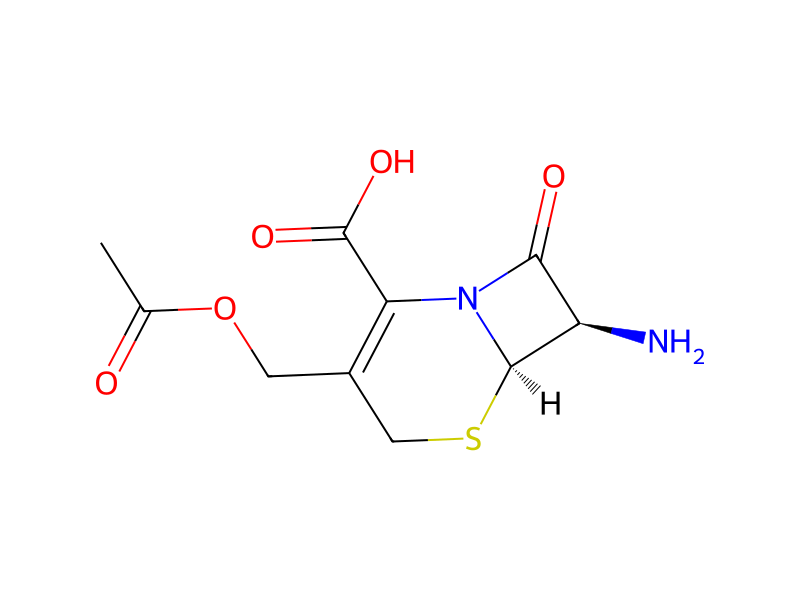
Consequently, when it is desired to prepare a 3-methylenecepham-4-carboxylate of the Formula I, wherein R1 is a carboxylic acid protecting group which is susceptible to cleavage under the conditions of the reductive displacement reaction, the unprotected 3-methylenecepham-4-carboxylic acid can be first prepared. Following the reductive displacement reaction the 3-methylenecepham-4-carboxylic acid reduction product can be isolated and then protected with the desired ester group by esterification or the mixed anhydride thereof with acetic or propionic acid can be prepared according to well known procedures. For example, 3-ethoxythionocarbonylthiomethyl-7-amino-Δ3 -cephem-4-carboxylic acid, obtained by the reaction of 7-aminocephalosporanic acid (7ACA) with ethyl xanthate, is hydrogenated in the presence of Raney nickel to yield 3-methylene-7-aminocepham-4-carboxylic acid. The cepham acid is then acylated and esterified according to known procedures to obtain the desired ester of the Formula I.