Grundinformationen
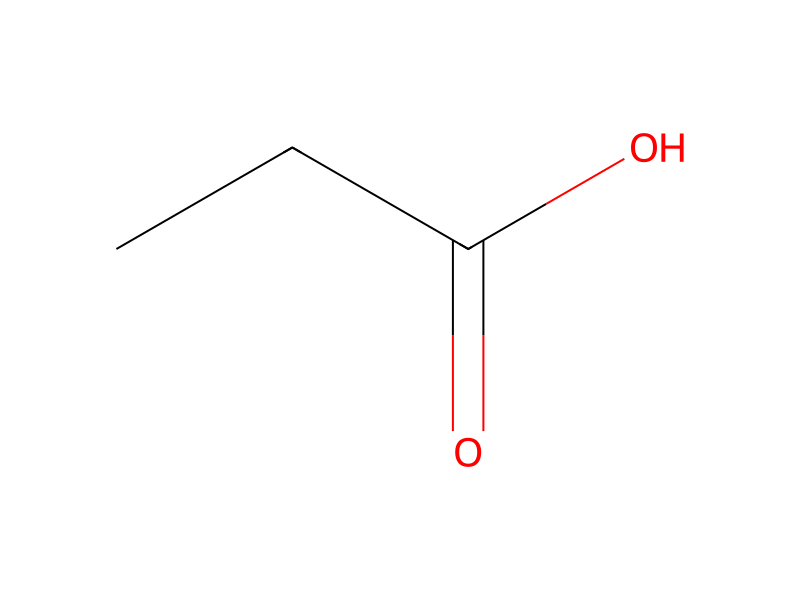
- Standard-SMILES
CCC(=O)O- InChIKey
XBDQKXXYIPTUBI-UHFFFAOYSA-N- Summenformel
- C3H6O2
- Durchschnittliche Molmasse
- 74,08 g/mol
Überblick
Propionic acid is a colorless liquid with a sharp rancid odor. Produces irritating vapor. (USCG, 1999)
Namen und Bezeichner
- Bevorzugter Name
- Propionic Acid
- IUPAC
- propanoic acid
- Lokaler Name
- Propionsure
- Englischer Name
- Propionic acid
- Summenformel
- C3H6O2
- Molmasse
- 74.08
Namen und Synonyme
propionic acidPropanoic acid79-09-4methylacetic acidethylformic acidCarboxyethaneMetacetonic acidLuprosilEthanecarboxylic acidPseudoacetic acidMonopropProzoin
Weitere Namen anzeigen
C3C2H5COOHFEMA 2924AdofeedTRIANOIC ACID
Antischim BPropionoic acidMethyl acetic acidAcide propioniqueSentry grain preserverPropcornPropkornC3 acid
Datenbank-Bezeichner
- CAS
68937-68-8、79-09-4、90990-11-7- PubChem CID
- 1032
- DTXSID
DTXSID8025961- ChEMBL
CHEMBL14021- ChEBI
CHEBI:30768- UNII
- JHU490RVYR
- EC Number
- 201-176-3、292-772-2
- Nikkaji
- J1.963A
Eigenschaften
Berechnete Struktureigenschaften
- XLogP
- 0,3
- Polarare Oberfläche (TPSA)
- 37,3 Ų
- H-Brücken-Donoren
- 1
- H-Brücken-Akzeptoren
- 2
- Frei drehbare Bindungen
- 1
- Schwere Atome
- 5
- Formalladung
- 0
- Komplexität
- 40,2
Experimentelle und physikochemische Eigenschaften
Chemical Classes
Other Classes -> Organic Acids
Corrosives
DrugsPharmaceuticals -> Listed in ZINC15
LipidsFatty Acyls [FA] -> Fatty Acids and Conjugates [FA01] -> Straight chain fatty acids [FA0101]
CosmeticsPreservative
SpringerMaterials PropertiesSchoenflies notation
FragrancesFragrance Ingredient (Propionic acid) -> IFRA transparency List
Pesticides
Bactericides, Fungicides
Active substance -> EU Pesticides database: Not approved
Biocide
LogP
log Kow = 0.33
0.33
0.33
0.32
OdorSlightly pungent disagreeable, rancid odor
TasteSOUR & MILDLY CHEESE-LIKE
Food AdditivesANTIMICROBIAL AGENT, FLAVORING AGENT OR ADJUVANT, PH CONTROL AGENT -> FDA Substance added to food
Density
0.995 at 68 °F (USCG, 1999) - Less dense than water; will float
Specific gravity: 0.993 g/cu cm at 20 °C
DENSITY OF SATURATED AIR: 1.02 (AIR= 1)
Critical density: 0.315 g/ml
Relative density (water = 1): 0.99
0.993-0.997 (20 °C/20 °C)
Physikochemische Eigenschaften
- Schmelzpunkt
- 24 · −24-−23 °C(lit.)
- Siedepunkt
- 141 °C · 141 °C(lit.)
- Dichte
- 0.993 g/mL · 0.993 g/mL at 25 °C(lit.)
- Dampfdichte
- 2.55 · 2.55 (vs air)
- Dampfdruck
- 2.4 mm · 2.4 mm Hg ( 20 °C)
- Brechungsindex
- 20 · n20/D 1.386(lit.)
- FEMA
- 2924 · 2924 | PROPIONIC ACID
- Flammpunkt
- 125 °F · 125 °F
- storage temp.
- 30 °C · Store below +30°C.
- Löslichkeit
- organic solvents: soluble(lit.)
- pka
- 4.86 · 4.86(at 25℃)
- Aggregatzustand
- Liquid
- Wichte
- 0.996 · 0.996 (20/4℃)
- Farbe
- 10 · ≤10, APHA:
- PH
- 3.96 · 3.96(1 mM solution);3.44(10 mM solution);2.94(100 mM solution);
- Geruch (Odor)
- 0.1 % · at 0.10 % in propylene glycol. pungent acidic cheesy vinegar
- Geruchsart
- acidic
- Biologische Quelle
- synthetic
- Odor Threshold
- 0.0057 ppm · 0.0057ppm
- Explosionsgrenze
- 2.1 · 2.1-12%(V)
- Wasserlöslichkeit
- 37 g/100 · 37 g/100 mL
- Spezifische Wärmekapazität
- 2.06 J/ · Cp(liquid): 2.06 J/(g·K), at 25℃
- JECFA Number
- 84 · 84
- Merck
- 14 · 14,7825
- BRN
- 506071 · 506071
- Henry's Law Constant
- 7.1 · 7.1×101 mol/(m3Pa) at 25℃, Kim and Kim (2016)
- Dielectric constant
- 3.2 · 3.2(Ambient)
- Stabilität
- Stable. Incompatible with strong oxidizing agents. Flammable.
- Kosmetik-Inhaltsstoffe Funktionen
- ANTIMICROBIALFRAGRANCEPRESERVATIVEpH ADJUSTERS
- InChI
- 1S/C3H6O2/c1-2-3(4)5/h2H2,1H3,(H,4,5)
- InChIKey
- XBDQKXXYIPTUBI-UHFFFAOYSA-N
- SMILES
- CCC(O)=O
- LogP
- 0.33 at · 0.33 at 25℃
- Oberflächenspannung
- 24.07 mN/m · 24.07mN/m at 298.15K
- CAS Datenbank
- 79 · 79-09-4(CAS DataBase Reference)
- NIST chemische Informationen
- Propanoic acid(79-09-4)
- EPA chemische Informationen
- Propionic acid (79-09-4)
Sicherheit und Regulatorisches
GHS-Klassifizierung
GHS Classification
Danger
H314: Causes severe skin burns and eye damage [Danger Skin corrosion/irritation]
P260, P264, P280, P301+P330+P331, P302+P361+P354, P304+P340, P305+P354+P338, P316, P321, P363, P405, and P501 (click each P-code to see the statement)
Danger
H226 (20.3%): Flammable liquid and vapor [Warning Flammable liquids]
P210, P233, P240, P241, P242, P243, P260, P261, P264, P264+P265, P271, P280, P301+P330+P331, P302+P361+P354, P303+P361+P353, P304+P340, P305+P354+P338, P316, P317, P319, P321, P363, P370+P378, P403+P233, P403+P235, P405, and P501 (click each P-code to see the statement)
Gefahrenhinweise
Regulatory Information
Chemical: Propanoic acid
Regulation (EC) No 257/2010
Propanoic acid is listed on the EPA's Chemical Data Reporting (CDR) system. Manufacturers and importers of Propanoic acid are required to report information about their production and use of this chemical to the EPA under the Toxic Substances Control Act (TSCA). (40 eCFR Part 711)
2004/129/EC
Status: Active Update: 06-12-2021 https://echa.europa.eu/registration-dossier/-/registered-dossier/14128
Status: Cease Manufacture Update: 24-05-2018 https://echa.europa.eu/registration-dossier/-/registered-dossier/25408
Other Safety InformationIMAP assessments - Propanoic acid: Human health tier II assessment
DOT Label
Corrosive
Corrosive
Fire Hazards
Excerpt from ERG Guide 153 [Substances - Toxic and/or Corrosive (Combustible)]:
Excerpt from ERG Guide 153 [Substances - Toxic and/or Corrosive (Combustible)]:
· Combustible material: may burn but does not ignite readily.
· Combustible material: may burn but does not ignite readily.
Flammable. Above 54 °C explosive vapour/air mixtures may be formed. Risk of fire and explosion on contact with strong bases, strong oxidants or metals. See Chemical Dangers.
Fire PotentialFlammable liquid. Highly flammable when exposed to heat, flame, or oxidizers.
Health Hazards
Liquid causes skin and eye burns. Vapors may irritate eeyes, nose, and throat, but should not cause systemic illness. (USCG, 1999)
Excerpt from ERG Guide 153 [Substances - Toxic and/or Corrosive (Combustible)]:
· TOXIC and/or CORROSIVE; inhalation, ingestion or skin contact with material may cause severe injury or death.
· TOXIC and/or CORROSIVE; inhalation, ingestion or skin contact with material may cause severe injury or death.
Hazards Summary
Liquid causes second degree burns after contact for a few minutes. [CHRIS] Corrosive to skin; [Quick CPC] [Acute irritant contact dermatitis from propionic acid used in animal feed preservation. Contact Dermatitis. Henschel R, et al. 1999 Jun;40(6):328. No abstract available.] A skin, eye, and respiratory tract irritant; [ICSC]
DOT ID and Guide
1848 153
3463 153
1848 132
FDA Requirements
Substance added directly to human food affirmed as generally recognized as safe (GRAS).
Propionic acid used as a chemical preservative in animal drugs, feeds, and related products is generally recognized as safe when used in accordance with good manufacturing or feeding practice.
Drug products containing certain active ingredients offered over-the-counter (OTC) for certain uses. A number of active ingredients have been present in OTC drug products for various uses, as described below. However, based on evidence currently available, there are inadequate data to establish general recognition of the safety and effectiveness of these ingredients for the specified uses: propionic acid is included in topical antifungal drug products.
Reactive Group
Acids, Carboxylic
Acids, Carboxylic
UN ClassificationUN Hazard Class: 8; UN Pack Group: III
Special Reports
Leung HW, Paustenbach DJ; Organic Acids and Bases: Review of Toxicological Studies; Am J Ind Med 18 (6): 717-35 (1990).
USEPA/Office of Pesticide Programs; Reregistration Eligibility Decision Document - Propionic Acid and Salts, September 1991. The RED summarizes the risk assessment conclusions and outlines any risk reduction measures necessary for the pesticide to continue to be registered in the U.S.[Available from, as of June 21, 2006: http://www.epa.gov/pesticides/reregistration/status.htm]
Sicherheit und Schutzausrüstung
Fire Fighting
Fire Extinguishing Agents: Water, carbon dioxide, dry chemical, or alcohol foam. (USCG, 1999)
Excerpt from ERG Guide 153 [Substances - Toxic and/or Corrosive (Combustible)]:
Use water spray, powder, alcohol-resistant foam, carbon dioxide. In case of fire: keep drums, etc., cool by spraying with water.
First Aid Measures
Fresh air, rest. Half-upright position. Refer immediately for medical attention.
Remove contaminated clothes. Rinse skin with plenty of water or shower. Refer immediately for medical attention .
Rinse with plenty of water for several minutes (remove contact lenses if easily possible). Refer immediately for medical attention.
Rinse mouth. Do NOT induce vomiting. Give nothing to drink. Refer immediately for medical attention.
Accidental Release Measures
· CALL 911. Then call emergency response telephone number on shipping paper. If shipping paper not available or no answer, refer to appropriate telephone number listed on the inside back cover.
· ELIMINATE all ignition sources (no smoking, flares, sparks or flames) from immediate area.
· CALL 911. Then call emergency response telephone number on shipping paper. If shipping paper not available or no answer, refer to appropriate telephone number listed on the inside back cover.
· ELIMINATE all ignition sources (no smoking, flares, sparks or flames) from immediate area.
First Aid
EYES: First check the victim for contact lenses and remove if present. Flush victim's eyes with water or normal saline solution for 20 to 30 minutes while simultaneously calling a hospital or poison control center. Do not put any ointments, oils, or medication in the victim's eyes without specific instructions from a physician. IMMEDIATELY transport the victim after flushing eyes to a hospital even if no symptoms (such as redness or irritation) develop.
Excerpt from ERG Guide 153 [Substances - Toxic and/or Corrosive (Combustible)]:
General First Aid:
General First Aid:
(General first aid procedures)
Safe StorageFireproof. Separated from strong oxidants and strong bases. Store only in original container. Store in an area without drain or sewer access.
Firefighting HazardsCorrosive and combustible liquid
Exposure Control and Personal Protection
· Wear positive pressure self-contained breathing apparatus (SCBA).
· Wear positive pressure self-contained breathing apparatus (SCBA).
10.0 [ppm]
Fire Fighting ProceduresUse water spray, dry chemical, "alcohol resistant" foam, or carbon dioxide. Use water spray to keep fire-exposed containers cool.
Storage Conditions
Outside or detached storage is preferred. Store in a cool, dry, well-ventilated location.
Ordinary steel is totally unsuitable for the handling of propionic acid. Aluminum is only resistant at room temperature and to anhydrous, concentrated propionic acid; at higher temperature corrosiveness toward aluminum varies with the concentration of acid. Thus the corrosion maximum for 50 °C lies at 75 % acid, whereas there are two maxima at the boiling point, a weaker one at 1 % and a strong one at 99.8 % acid.
Copper and copper alloys are stable toward propionic acid up to its boiling point, but only if the solutions are free from air or oxidizing substances. ... Containers made of aluminum with a purity of 99.5 % (DIN no. 3.0255) or alloyed steels (DIN no. 1.4541/UNS no.: S 30 400 and 1.4571/S 31 600) are suitable for storing pure propionic acid. Aluminum is unstable toward aqueous propionic acid. Polyethylene containers can be used for temporary storage of propionic acid and as small packing drums. Plastics are not recommended for long-term storage. Glass-reinforced plastics are unsuitable even for short-term storage.
Cleanup MethodsUse water spray to cool and disperse vapors, protect personnel, and dilute spills to form nonflammable mixtures. Control runoff and isolate discharged material for proper disposal.
Nonfire Spill Response
Neutralizing Agents for Acids and Caustics: Dilute with water, then neutralize with lime or soda ash. (USCG, 1999)
Excerpt from ERG Guide 153 [Substances - Toxic and/or Corrosive (Combustible)]:
Disposal Methods
SRP: The most favorable course of action is to use an alternative chemical product with less inherent propensity for occupational exposure or environmental contamination. Recycle any unused portion of the material for its approved use or return it to the manufacturer or supplier. Ultimate disposal of the chemical must consider: the material's impact on air quality; potential migration in soil or water; effects on animal, aquatic, and plant life; and conformance with environmental and public health regulations.
The following wastewater treatment technologies have been investigated for propionic acid: Concentration process: Activated carbon.
The following wastewater treatment technologies have been investigated for propionic acid: Concentration process: Resin adsorption.
Toxikologische Informationen
Treatment
Zinc poisoning is treated symptomatically, often by administering fluids such as water or milk, or with gastric lavage. (L49)
During times of illness the affected person may need to be hospitalized to prevent breakdown of proteins within the body. Each meal presents a challenge to those with propionic acidemia. If not constantly monitored, the effects would be devastating. Dietary needs must be closely managed by a metabolic geneticist or metabolic dietician. Patients with propionic acidemia should be started as early as possible on a low protein diet. In addition to a protein mixture that is devoid of methionine, threonine, valine, and isoleucine, the patient should also receive L-carnitine treatment and should be given antibiotics 10 days per month in order to remove the intestinal propiogenic flora. The patient should have diet protocols prepared for him with a “well day diet” with low protein content, a “half emergency diet” containing half of the protein requirements, and an “emergency diet” with no protein content. These patients are under the risk of severe hyperammonemia during infections that can lead to comatose states. Liver transplant is gaining a role in the management of these patients, with small series showing improved quality of life. (Wikipedia)
Interactions
The objective was to study the conversion of propionate to glucose by liver of the sheep during experimentally induced liver necrosis. ... Sodium propionate (3 mmol/kg) was injected iv into 6 healthy sheep before and after they were given carbon tetrachloride (20% carbon tetrachloride in mineral oil; 0.25 ml of carbon tetrachloride/kg, orally. ... Microscopically, liver necrosis was observed, as well as increase of fatty infiltration in nonnecrotic liver tissue.
The t1/2 of the iv sodium propionate load increased significantly, from 6.9 +/- 0.4 min in the control sheep to 12.8 +/- 2 min in the carbon tetrachloride treated sheep, whereas an insignificant increase was seen after fasting (6.8 +/- 1 min to 8.3 +/- 1 min). /Sodium propionate/
... Antagonism was observed with soybean meal, fish meal, poultry by-product meal and limestone. Corn gluten meal was without effect while the addition of fat to corn meal enhanced the activity of propionic acid.
Target OrgansEyes, skin, respiratory system
Health Effects
Chronic exposure to zinc causes anemia, atazia, lethargy, and decreases the level of good cholesterol in the body. It is also believed to cause pancreatic and reproductive damage. (L49)
Propionic acid occurs in chronically high levels in propionic acidemia. Propionic acidemia, also known as propionic aciduria, propionyl-CoA carboxylase deficiency and ketotic glycinemia, is an autosomal recessive metabolic disorder, classified as a branched-chain organic acidemia. The disorder presents in the early neonatal period with progressive encephalopathy. Death can occur quickly, due to secondary hyperammonemia, infection, cardiomyopathy, or basal ganglial stroke. In many cases, propionic acidemia can damage the brain, heart, and liver, cause seizures, and delays to normal development like walking and talking. (Wikipedia)
Ecotoxicity Values
LC50 Pimephales promelas (Fathead minnow) 4740 mg/L/96 hr (confidence limit 4390-5120 mg/L), flow-through bioassay with measured concentrations, 24.7 °C, dissolved oxygen 6.1 mg/L, hardness 40.5 mg/L CaCO3, alkalinity 42.2 mg/L CaCO3, and pH 7.60. Tank concentrations were corrected for sodium concentrations of 23.9%. /Propionic acid sodium salt/
LC50 Daphnia magna 130 mg/L/24 hr /Conditions of bioassay not specified/
LC50 Daphnia magna 50 mg/L/48 hr /Conditions of bioassay not specified/
EC50 Daphnia magna (Water flea; intoxication, immobilization) 22.7 ppm/48 hr (95% confidence limit: 21.0-24.6 ppm); static
For more Ecotoxicity Values (Complete) data for PROPIONIC ACID (17 total), please visit the HSDB record page.
Environmental Fate
TERRESTRIAL FATE: Based on a classification scheme(1), an estimated Koc value of 36(SRC), determined from a log Kow of 0.33(2) and a regression-derived equation(3), indicates that propionic acid is expected to have very high mobility in soil(SRC). The pKa of propionic acid is 4.87(4), indicating that this compound will exist primarily in the anion form in the environment and anions generally do not adsorb more strongly to soils containing organic carbon and clay than their neutral counterparts(5). Propionic acid in its anionic form would not volatilize from water or moist soil surfaces(SRC). Propionic acid is expected to volatilize from dry soil surfaces(SRC) based upon a vapor pressure of 3.53 mm Hg(6). Propionic acid is expected to be readily biodegradable under most environmental conditions based on the results of a sewage inoculum screening test that measured theoretical BODs ranging from 23-55%(7).
AQUATIC FATE: Based on a classification scheme(1), an estimated Koc value of 36(SRC), determined from a log Kow of 0.33(2) and a regression-derived equation(3), indicates that propionic acid is not expected to adsorb to suspended solids and sediment(SRC). A pKa of 4.87(4) indicates propionic acid will exist almost entirely in the anion form at pH values of 5 to 9 and therefore volatilization from water surfaces is not expected to be an important fate process(5). According to a classification scheme(6), an estimated BCF of 3.2(SRC), from its log Kow(2) and a regression-derived equation(7), suggests the potential for bioconcentration in aquatic organisms is low(SRC). Propionic acid is expected to be readily biodegradable in most environmental conditions based on the results of a sewage screening test that measured theoretical BODs of 23-55%(8).
ATMOSPHERIC FATE: According to a model of gas/particle partitioning of semi-volatile organic compounds in the atmosphere(1), propionic acid, which has a estimated vapor pressure of 3.53 mm Hg at 25 °C(2), is expected to exist solely as a vapor in the ambient atmosphere. Vapor-phase propionic acid is degraded in the atmosphere by reaction with photochemically-produced hydroxyl radicals(SRC); the half-life for this reaction in air is estimated to be 13 days(SRC), calculated from its rate constant of 1.22X10⁻¹² cu cm/molecule-sec at 25 °C(3). Propionic acid is not expected to directly photolyze due to the lack of absorbance in the environmental UV spectrum.
Food Survey Values
PROPIONIC ACID WAS ISOLATED FROM BOILED BEEF IN SLURRY, DRY CURED HAM. /FROM TABLE/
... OCCURS ... IN SWISS CHEESE @ LEVELS WHICH MAY BE AS HIGH AS 1%.
Propionic acid has been qualitatively detected as a volatile component of baked potatoes(1) and cooked meats(2). Dalieb fruit (Borassus aethiopum l.) contained propionic acid at an average concn of 84 mg/kg(3). Propionic acid was detected in German fruit brandies and desert wines at concns of 0.2 and 1.1 mg/L, respectively(4). It has also been identified in popcorn at a concn of 300 ug/kg(5). Propionic acid was identified, not quantified as a fruit volatile in head space analysis testing using strawberries(6). Propionic acid occurs in dairy products in small amounts(7). Propionic has been detected as a volatile component of two brands of commercial rice cakes at concentrations of 61 ppb and 60 ppb(8).
Propionic acid was identified as a flavor compound in Pine Sprout Tea samples that were prepared from the sprouts and needles of Korean red pine trees(1).
Adverse EffectsDermatotoxin - Skin burns.
Exposure Routes
The substance can be absorbed into the body by inhalation of its vapour, by ingestion and through the skin.
inhalation, skin absorption, ingestion, skin and/or eye contact
Oral (L49) ; inhalation (L49) ; dermal (L49)
Toxicity Summary
Anaemia results from the excessive absorption of zinc suppressing copper and iron absorption, most likely through competitive binding of intestinal mucosal cells. Unbalanced levels of copper and zinc binding to Cu,Zn-superoxide dismutase has been linked to amyotrophic lateral sclerosis (ALS). Stomach acid dissolves metallic zinc to give corrosive zinc chloride, which can cause damage to the stomach lining. Metal fume fever is thought to be an immune response to inhaled zinc. (L48, L49, A49)
In healthy individuals, the enzyme propionyl CoA carboxylase converts propionyl CoA to methylmalonyl CoA. This is one step in the process of converting certain amino acids and fats into sugar for energy. Individuals with propionic acidemia cannot perform this conversion because the enzyme propionyl CoA carboxylase is nonfunctional. The essential amino acids; isoleucine, valine, threonine, and methionine and odd-chain fatty acids are simply converted to propionyl CoA, before the process stops, leading to a buildup of propionyl CoA. Instead of being converted to methylmalonyl CoA, propionyl CoA is then converted into propionic acid, which builds up in the bloodstream. Propionyl-CoA, propionic acid, ketones, ammonia, and other toxic compounds accumulate in the blood, causing the signs and symptoms of propionic acidemia. Propionate acts as a metabolic toxin in liver cells by accumulating in mitochondria. Propanoate is metabolized oxidatively by glia, which suggests astrocytic vulnerability in propanoic acidemia when intramitochondrial propionyl-CoA may accumulate. Propanoic acidemia may alter both neuronal and glial gene expression by affecting histone acetylation (A15452, A15453). (Wikipedia)
Signs and Symptoms
Cough. Sore throat. Burning sensation. Shortness of breath.
Redness. Pain. Skin burns. Blisters.
Redness. Pain. Blurred vision. Severe burns.
Burning sensation. Sore throat. Abdominal pain. Vomiting. Shock or collapse.
irritation eyes, skin, nose, throat; blurred vision, corneal burns; skin burns; abdominal pain, nausea, vomiting
Ingestion of large doses of zinc causes stomach cramps, nausea, and vomiting. Acute inhalation of large amounts of zinc causes metal fume fever, which is characterized by chills, fever, headache, weakness, dryness of the nose and throat, chest pain, and coughing. Dermal contact with zinc results in skin irritation. (L49)
Effluent Concentrations
Propionic acid may be released to the aquatic environment in wastewater discharges from industry and sewage treatment facilities. In response to the June 1976 consent decree, the EPA surveyed the wastewaters of 46 industrial categories for 129 priority pollutants. Propionic acid was detected in 2 of 21 industrial categories of wastewater effluents(1). Extract from the wastewater of a textile mill contained propionic acid at an average concn of 38,144 ug/L(1). Primary effluents from 3 sewage treatment facilities contained propionic acid at concentrations from 16 to 3,800 ug/L(2). Secondary effluents from 4 sewage treatment facilities contained propionic acid at concentrations from 1.2 to 68 ug/L(2). Propionic acid was detected at a total concn of 6,930 ug/L in distillate and residue samples from landfill leachate collected in Japan(3).
Coal gasification facilities can release propionic acid to groundwater(1). Propionic acid was detected in the wastewater effluent of a coal gasification facility located at the Grand Fork's Energy Technology Center, North Dakota at an estimated concn of 64 mg/L(2). In addition, wastewater effluent from a shale oil facility in Queensland, Australia was shown to contain propionic acid at a concn of 130 mg/L(3). The disposal of waste byproducts from the production of wood preserving chemicals at Pensacola, FL was responsible for the release of propionic acid to ground water(4). Municipal and industrial landfills, and hazardous waste sites via leachates can release propionic acid to groundwater supplies(5,6). Propionic acid was emitted in the exhaust from gasoline and diesel fueled engines in Los Angeles, CA from July to Sept, 1984 at concn ranging from 1.22 to 19 ppb(7).
Propionic acid was detected in landfill leachates at a concn of 986 ug/ml in samples from the Taichung sanitary landfill in Taiwan(1). Waste water from 2 ponds in Spain used in treating waste from olive oil production contained propionic acid at a concn ranging from 32,588 to 2,017,173 ug/L(2). The presence of the compound is a result of the breakdown and oxidation of fatty acids present in the waste(2). Propionic acid was produced during anaerobic lagoon treatment of petrochemical wastes(3). The compound was detected not quantified in head space analysis of a biodegradable household waste sample(4), liquid exudate from garden waste(5), and kitchen waste and kitchen waste exudate(6).
Propionic acid was identified as an organic degradation and emission product from shop primers (0.2-0.4 mg/cu m), primers (not detected to 2 mg/cu m), and finishing paints (not detected to 2 ug/cu m) used on steel ships(1). Sources of propionic acid in the atmosphere of urban and suburban areas in New Mexico have been attributed to photochemical activity on ethanol fuel emissions and wood burning emissions(3). Propionic acid was measured at 0.0013% in UK emissions of volatile organic compounds emitted in 1990(2). An estimated mobile source emission rate of 1,370 kg/day for propionic acid has been calculated for South Coast Air Basin, southern California(4).
Regulatorische Informationen
FDA Requirements
Substance added directly to human food affirmed as generally recognized as safe (GRAS).
Propionic acid used as a chemical preservative in animal drugs, feeds, and related products is generally recognized as safe when used in accordance with good manufacturing or feeding practice.
Drug products containing certain active ingredients offered over-the-counter (OTC) for certain uses. A number of active ingredients have been present in OTC drug products for various uses, as described below. However, based on evidence currently available, there are inadequate data to establish general recognition of the safety and effectiveness of these ingredients for the specified uses: propionic acid is included in topical antifungal drug products.
FIFRA Requirements
Postharvest application of propanoic acid or a mixture of methylene bispropionate and oxy(bismethylene) bisproprionate when used as a fungicide is exempted from the requirement of a tolerance for residues in or on the following raw agricultural commodities: alfalfa, barley grain, Bermuda grass, bluegrass, brome grass, clover, corn grain, cowpea hay, fescue, lespedeza, lupines, oat grain, orchard grass, peanut hay, peavine hay, rye grass, sorghum grain, soybean hay, sudan grass, timothy, vetch, and wheat grain.
Propanoic acid is exempt from the requirement of a tolerance for residues in or on meat and meat byproducts of cattle, sheep, hogs, goats, horses, and poultry, milk, and eggs when applied as a bactericide/fungicide to livestock drinking water, poultry litter, and storage areas for silage and grain.
Preharvest and postharvest application of propanoic acid (CAS Reg. No. 79-09-4), propanioc acid, calcium salt (CAS Reg. No. 4075-81-4), and propanioc sodium salt (CAS Reg. No. 137-40-6) are exempted from the requirement of a tolerance on all crops when used as either an active or inert ingredient in accordance with good agricultural practice in pesticide formulations applied to growing crops, to raw agricultural commodities before and after harvest and to animals.
Based on the reviews of the generic data for the active ingredient propionic acid, the products containing this active ingredient are eligible for reregistration. Section 4(g)(2)(B) of FIFRA calls for the EPA to obtain any needed product-specific data regarding the pesticide after a determination of eligibility has been made. The EPA will review these data when they have been submitted and/or cited and determine whether to reregister individual products.
As the federal pesticide law FIFRA direct, EPA is conducting a comprehensive review of older pesticides to consider their health and environmental effects and make decisions about their future use. Under this pesticide reregistration program, EPA examines health and safety data for pesticide active ingredients initially registered before November 1, 1984, and determines whether they are eligible for reregistration. In addition, all pesticides must meet the new safety standard of the Food Quality Protection Act of 1996. Pesticides for which EPA had not issued Registration Standards prior to the effective date of FIFRA 88 were divided into three lists based upon their potential for human exposure and other factors, with List B containing pesticides of greater concern and List D pesticides of less concern. Propionic acid is found on List D. Case No: 4078; Case Status: RED Approved 09/91 - OPP has made a decision that some/all uses of the pesticide are eligible for reregistration, as reflected in a Reregistration Eligibility Decision (RED) Document. Active ingredient (AI): Propionic acid; AI Status: RED Completed - OPP has completed a Reregistration Eligibility Decision (RED) document for the case/AI.
Atmospheric Standards
This action promulgates standards of performance for equipment leaks of Volatile Organic Compounds (VOC) in the Synthetic Organic Chemical Manufacturing Industry (SOCMI). The intended effect of these standards is to require all newly constructed, modified, and reconstructed SOCMI process units to use the best demonstrated system of continuous emission reduction for equipment leaks of VOC, considering costs, non air quality health and environmental impact and energy requirements. Propionic acid is produced, as an intermediate or a final product, by process units covered under this subpart.
CERCLA Reportable Quantities
Persons in charge of vessels or facilities are required to notify the National Response Center (NRC) immediately, when there is a release of this designated hazardous substance, in an amount equal to or greater than its reportable quantity of 5000 lb or 2270 kg. The toll free number of the NRC is (800) 424-8802. The rule for determining when notification is required is stated in 40 CFR 302.4 (section IV. D.3.b).
Clean Water Act Requirements
Propionic acid is designated as a hazardous substance under section 311(b)(2)(A) of the Federal Water Pollution Control Act and further regulated by the Clean Water Act Amendments of 1977 and 1978. These regulations apply to discharges of this substance. This designation includes any isomers and hydrates, as well as any solutions and mixtures containing this substance.
Sicherheitsdaten
- OEB
- A
- OEL
- TWA: 10 ppm (30 mg/m3), STEL: 15 ppm (45 mg/m3)
- wgk
- 1
- tsca
- TSCA listed
- ridadr
- UN 3463 8/PG II (PROPIONIC ACID with not less than 90 % acid by mass)
- hs_code
- 29155010
- RTECS-Nr.
- UE5950000
- risk_code
- 36/37/38-34-10
- Toxizität
- LD50 orally in rats: 4.29 g/kg (Smyth)
- hazard_code
- C
- safety_code
- 26-36-45-23
- hazard_class
- 8
- packing_group
- II
- Speicherklasse
- 3 - Flammable liquids
- Giftige Stoffe Daten
- 79-09-4(Hazardous Substances Data)
- Hazard Classifications
- Eye Dam. 1Flam. Liq. 3Skin Corr. 1BSTOT SE 3
- Selbstentzündungstemperatur
- 955 °F
Chemie und Industrie
Pharmakologische Informationen
Protein BindingReadily accessible data regarding the protein binding of propionic acid is not available.
Pharmacodynamics
As a naturally occurring carboxylic acid, propionic acid typically undergoes metabolism via conversion to propionyl coenzyme A (propionyl-CoA), which is part of the usual metabolic pathway that carboxylic acids participate within in the human body. Most of propionic acid's antibacterial and preservative activities subsequently stem from this metabolic pathway as the metabolic fate of propionates varies in different microorganisms, resulting in antimicrobial mechanisms of action that may revolve around differing propionate metabolites causing competition, inhibition, and/or interference effects along other metabolic pathways in the various microorganisms affected. In the human body, however, propionic acid is generally metabolized with little ill effect and ultimately becomes a chemical intermediate in the citric acid cycle.
Mechanism of Action
The metabolic fate of propionates varies in different microorganisms. Some have enzyme systems that can convert succinate to propionyl-coenzyme A and through various further steps to propionate, CO2, or propionyl phoshpate. Still others can convert propionic acid to B-alanine or directly to CO2. Whatever the case, the inhibiting effect for microbials is likely related to competition with acetate in the acetokinase system, to the blockage of pyruvate conversion to acetyl-coenzyme A and to interference with B-alanine in pantothenic acid syntheses. Moreover, other studies suggest the antimicrobial activity of propionic acid revolves around its ability to reduce the pH of its immediate environment to levels of acidity that are harmful to pathogenic microbes as well as its ability to dissociate such that its lipid soluble undissociated form is capable of entering microbial cells. Additionally, there are also studies that suggest that propionic acid's antifungal activity may be the result of propionyl-CoA inhibiting glucose metabolism in certain species of fungus via the accumulation of the CoA-derivative.
Biological Half-Life
The half-life of iv sodium propionate administered in the sheep animal model is about 6.9 +/- 0.4 minutes.
The t1/2 of the iv sodium propionate load ... from 6.9 +/- 0.4 min in the control sheep ... . /Sodium propionate/
Metabolism/Metabolites
Propionic acid is first converted to propionyl coenzyme A (propionyl-CoA), however, it directly enter either beta oxidation or the citric acid cycles. As propionic acid has three carbons, propionyl-CoA. In the majority of vertebrates, propionyl-CoA is carboxylated to D-methylmalonyl-CoA, which is then isomerised to L-methylmalonyl-CoA. A vitamin B12-dependent enzyme catalyzes rearrangement of L-methylmalonyl-CoA to succinyl-CoA, which can then be used as a substrate in the citric acid cycle.
Propionate is formed as the terminal three-carbon fragment (as propionyl-coenzyme A) in the oxidation of odd-number carbon fatty acids and from oxidation of the side chain of cholesterol. Radioactivity from propionate admin to fasting rats may appear in glycogen, glucose, citric acid cycle intermediates, amino acids, and proteins. The route of metabolism of propionic acid involves interaction with coenzyme A, carboxylation to form methylmalonyl-coenzyme A, and conversion to succinic acid, which enters the citric acid cycle. Propionic acid may be oxidized without forming ketone bodies and in contrast to acetic acid, is incorporated into a carbohydrate as well as lipid.
The metab of radiolabeled sodium propionate was studied in rats three days after a single oral admin. Among the liver extracts, 89% of the liver radioactivity was found in trichloroacetic acid precipitated fraction, and 10% in glycogen.
Treatment with L-carnitine greatly enhanced the formation and excretion of short-chain acylcarnitines in three patients with propionic acidemia and in three normal controls. Mass spectrometry ... identified the acylcarnitine as propionylcarnitine in patients with propionic acidemia. The normal children excreted mostly acetylcarnitine. Propionic acidemia and other organic acidurias are characterized by the intramitochondrial accumulation of short-chain acyl-Coenzyme A (CoA) compounds. The substrate specificity of the carnitine acetyltransferase enzyme and its steady state nature appears to facilitate elimination of propionyl groups while restoring the acyl-acyl-Coenzyme A:free acyl-CoenzymeA ratio in the mitochondrion. L-carnitine may be a useful therapeutic approach for elimination of toxic acyl acyl-Coenzyme A compounds in several of these disorders.
Propionic acid (10 mM) inhibited hepatocyte oxidation of 1-(14)C-pyruvate (10 mM) by 60%. This inhibition was not the result of substrate competition, as butyric acid had minimal effects on pyruvate oxidation. ... Propionic acid also inhibited oxidation of 1-(14)C palmitic acid (0.8 mM) by hepatocytes isolated from fed rats. ... These results demonstrate that propionic acid interferes with oxidative metabolism in intact hepatocytes.
For more Metabolism/Metabolites (Complete) data for PROPIONIC ACID (7 total), please visit the HSDB record page.
Absorption, Distribution and Excretion
Some propionic acid is oxidized to lactic acid during absorption, but most passes to the liver, which removes nearly all of it from the portal blood. Propionic acid represents 20-25% of absorbed volatile fatty acids. Propionic acid is rapidly absorbed through the gastrointestinal tract.
Most absorbed propionic acid is passed to the liver, which removes nearly all of it from the portal blood. Three days after a single oral administration of labeled sodium propionate, 77% of the radioactivity was found in expired air, and 7% in urine and feces.
Three days after a single oral administration of labeled sodium propionate, 77% of the radioactivity was found in expired air, and 7% in urine and feces. The radioactivity found in skin, liver, intestine, and adipose tissue was 3.9, 1.1, 0.9, and 0.7%, respectively. Readily accessible data regarding the volume of distribution of propionic acid is not available.
Readily accessible data regarding the clearance of propionic acid is not available.
Some propionic acid is oxidized to lactic acid during absorption but most passes to the liver, which removes nearly all of it from the portal blood ... propionic acid ... represents 20-25% of absorbed volatile fatty acids.
Three days after a single oral admin of labeled sodium propionate, 77% of the radioactivity was found in expired air, and 7% in urine and feces. The radioactivity found in skin, liver, intestine, and adipose tissue was 3.9, 1.1, 0.9, and 0.7%, respectively.
Tissue LocationsAdipose Tissue
Cellular LocationsCytoplasm
Metabolite PathwaysMalonic Aciduria
Verwendung und Herstellung
Uses
Used as a fungicide, herbicide and emulsifying agent; it occurs naturally in cheese and is an approved food preservative. [ACGIH]
Farming (Pesticides) [Category: Industry]
Smoking cigarettes [Category: Food & Drugs]
For Propionic acid (USEPA/OPP Pesticide Code: 77702) ACTIVE products with label matches. /SRP: Registered for use in the U.S. but approved pesticide uses may change periodically and so federal, state and local authorities must be consulted for currently approved uses./
MEDICATION (VET)
MEDICATION
U.S. Exports
(1984) 4.40X10+9 GRAMS
... Averaging 34 million lbs during the 1991-1995 period.
U.S. Imports
(1973) 2.59X10+9 GRAMS
(1975) 2.4X10+9 GRAMS
(1984) 4.88x10+9 GRAMS
Imports averaged 27 million pounds per year during /1991-1995/.
U.S. Production
2023: 400,000,000 - <550,000,000 lb
This chemical is listed as a High Production Volume (HPV) (65FR81686). Chemicals listed as HPV were produced in or imported into the U.S. in >1 million pounds in 1990 and/or 1994. The HPV list is based on the 1990 Inventory Update Rule. (IUR) (40 CFR part 710 subpart B; 51FR21438).
(1972) 2.54X10+10 GRAMS
(1975) 2.3X10+10 GRAMS
(1984) 4.35X10+10 GRAMS
For more U.S. Production (Complete) data for PROPIONIC ACID (11 total), please visit the HSDB record page.
Consumption Patterns
40% AS A CHEM INT FOR CALCIUM & SODIUM PROPIONATE; 23% AS A CHEM INT FOR CELLULOSE PROPIONATE PLASTICS; 21% AS A CHEM INT FOR THE HERBICIDES DALAPON, ERBON, & PROPANIL; 11% AS A CHEM INT FOR PLASTICIZERS, PHARMACEUTICALS, & IN OTHER APPLICATIONS; 5% AS A GRAIN PRESERVATIVE (1973)
Calcium & Sodium propionates, 33%; cellulose acetate propionate, 26%; herbicides, 16%; other, 25% (1983)
CHEMICAL PROFILE: Propionic Acid. Feed and grain preservatives, 25%; cellulose plastics, 20%; herbicides, 18%; calcium and sodium propionates, 18%; exports, 15%; other, 4%.
CHEMICAL PROFILE: Propionic acid. Demand: 1987: 127 million lb; 1988: 130 million lb; 1992 /projected/: 145 million lb. (Includes exports, but not imports, which totaled 3.9 million lb in 1987.)
For more Consumption Patterns (Complete) data for PROPIONIC ACID (6 total), please visit the HSDB record page.
Consumer UsesSoil amendments (fertilizers)
Industry UsesIntermediate
Methods of Manufacturing
Can be obtained from wood pulp waste by fermentation process using bacteria of the genus Propionibacterium: Wayman et al., US patent 3,067,107 (1962 to Columbia Cellulose). ... From ethanol and carbon monoxide using a boron trifluoride catalyst: Loder, US patent 2,135,448; US patent 2,135,451; US patent 2,135,453 (all 1939 to du Pont) ... by oxidation of propionaldehyde: Hasche, US patent 2,294,984 (1942 to Kodak).
... By the reaction of carbon monoxide with hydrogen and olefins or alcohols.
Liquid phase oxidation of butane.
Heating succinic acid and its salts.
For more Methods of Manufacturing (Complete) data for PROPIONIC ACID (8 total), please visit the HSDB record page.
Formulations/Preparations
Grades: Technical, 99.0%; Food Chemicals Codex
Trade Names: Luprosil; Proxoin; Tenox P.
Household ProductsInformation on 4 consumer products that contain Propionic acid in the following categories is provided:
Use Classification
Food additives
Fragrance Ingredients
Flavouring Agent -> FLAVOURING_AGENTFood Additives -> PRESERVATIVE -> JECFA Functional Classes
Flavoring Agents -> JECFA Flavorings Index
Flavouring Agent -> FLAVOURING_AGENTFood Additives -> PRESERVATIVE -> JECFA Functional Classes
Flavouring Agent -> FLAVOURING_AGENTFood Additives -> PRESERVATIVE -> JECFA Functional Classes
General Manufacturing Information
Agriculture, Forestry, Fishing and Hunting
Propanoic acid: ACTIVE
Method of purification: rectification
Apply at harvest in manner to provide thorough mixing and coverage of grain.
At concn above 3 ug/ml it is fungicidal against a toxigenic strain of Aspergillus parasiticus.
Anwendungen
BeschreibungFirst described by Johann Gottlieb in 1844, propanoic acid has become one of the most widely used additives in processed foods for human consumption and animal feedstocks. Originally, Gottlieb found the compound among the degradation products of certain sugars. The term – propionic acid – itself has the unique distinction of once being the designation for all fatty acids due to the writings of Jean-Baptiste Dumas, who, in 1847, postulated that all fatty acids were in reality just one compound. While larger chain fatty acids are important components of all living things, propionic acid is the shortest fatty acid that exhibits the classic behaviors of similar compounds.
OccurrenceReported found in apple, apple juice, banana, currants, pineapple, raspberry, papaya, onion, sauerkraut, tomato, vinegar, beef, beef broth, beer, blackberry juice, bread, cheese, cherry juice, butter, yogurt, milk, cream, lean and fatty fish, cured pork, cooked beef and mutton, chicken fat, cognac, rum, whiskies, cider, sherry, roasted cocoa bean, cocoa powder, coffee, black currant juice, white currant juice, grape juice, grape musts and port wine, grapefruit juice, grape syrup, orange juice, Valencia orange oil, orange essence, roasted peanuts, pecans, potato chips, honey, soybean, Arctic bramble, coconut meat, cloudberry, mushroom, sesame seed, cardamom, rice, jackfruit, sake, buckwheat, laurel, peated malt, cassava, Bourbon vanilla, oyster, mussels, scallop, Chinese quince and maté.
VerwendenPropionic Acid is the acid source of the propionates. propionic acid in the liquid form has a strong odor and is corrosive, so it is used as the sodium, calcium, and potassium salts as a preservative. these yield the free acid in the ph range of the food in which they are used. it functions principally against mold. see calcium propionate; sodium propionate.
Vor- und nachgelagerte Produkte
Vorgelagerte Rohstoffe
Nachgelagerte Produkte
Ergänzende Hinweise
DefinitionChEBI: Propionic acid is a short-chain saturated fatty acid comprising ethane attached to the carbon of a carboxy group. It has a role as an antifungal drug. It is a short-chain fatty acid and a saturated fatty acid. It is a conjugate acid of a propionate.
Zugehörige Reaktionen
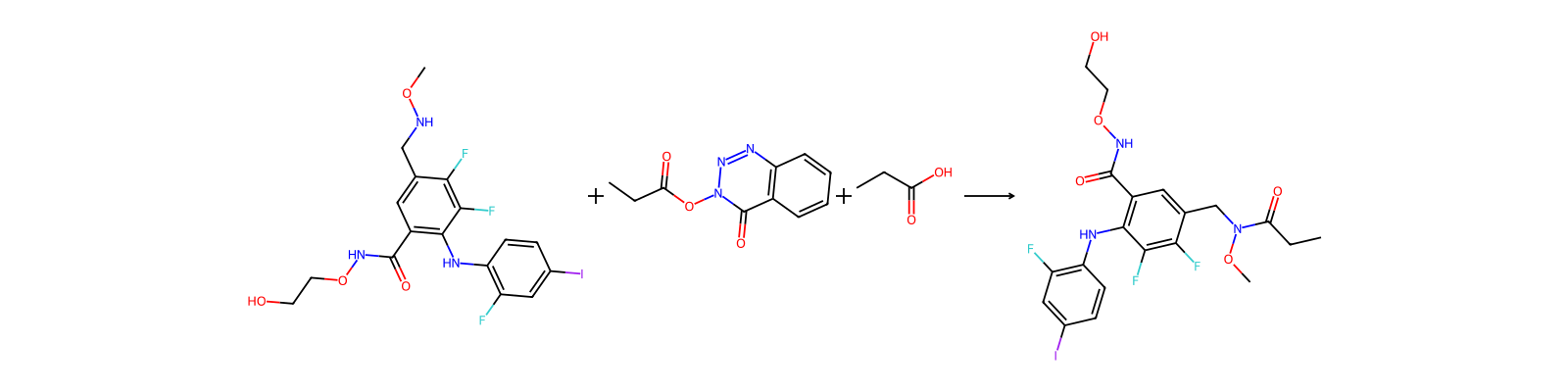
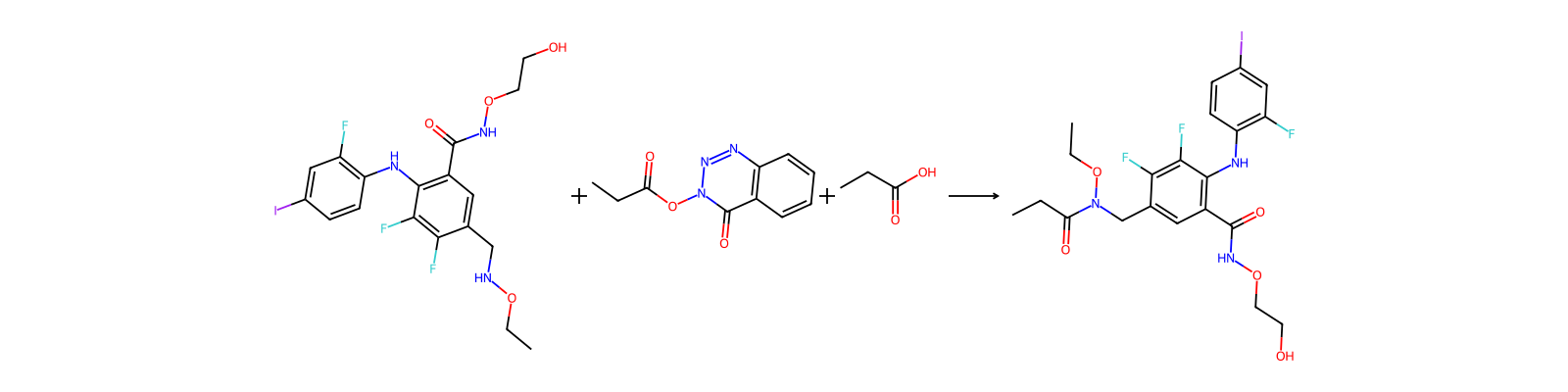
1.070



Verknüpfte Notizen
Wird geladen…