Ethanol → 1-Amino-2-nitro-4-omega-benzoylacetylamino-benzene
HRID 1580770
Reaktionsgleichung

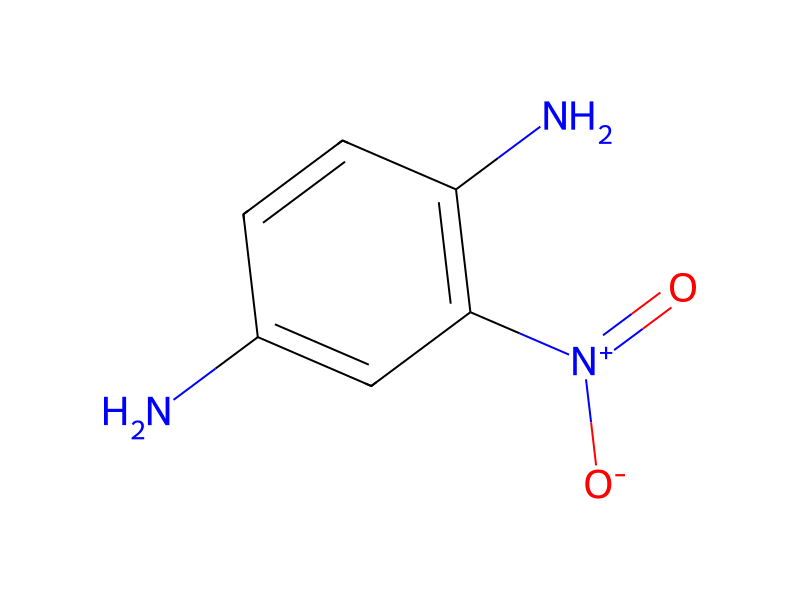
[NH2:1][C:2]1[CH:7]=[CH:6][C:5]([NH2:8])=[CH:4][C:3]=1[N+:9]([O-:11])=[O:10].[C:12]([CH2:20][C:21](OCC)=[O:22])(=[O:19])[C:13]1[CH:18]=[CH:17][CH:16]=[CH:15][CH:14]=1.C(O)C>C1(C)C(C)=CC=CC=1>[NH2:1][C:2]1[CH:7]=[CH:6][C:5]([NH:8][C:21](=[O:22])[CH2:20][C:12](=[O:19])[C:13]2[CH:14]=[CH:15][CH:16]=[CH:17][CH:18]=2)=[CH:4][C:3]=1[N+:9]([O-:11])=[O:10]Komponenten
5
Edukt 3


Produkt 1

Reagenzien, Katalysatoren, Lösungsmittel 1

Versuchsvorschrift
15.3 gm (0.1 mol) of 1,4-diamino-2-nitrobenzene were suspended in 100 ml of xylol. This suspension was heated. After the addition thereto of 42.3 gm (0.22 mol) of ethyl benzoylacetate, this suspension was heated on an oil bath at 130°C with the simultaneous distillation of ethanol, formed in the reaction. The precipitate was separated from the cold reaction mixture and processed, as described in Example I. The product had a melting point of 182°-183°C.