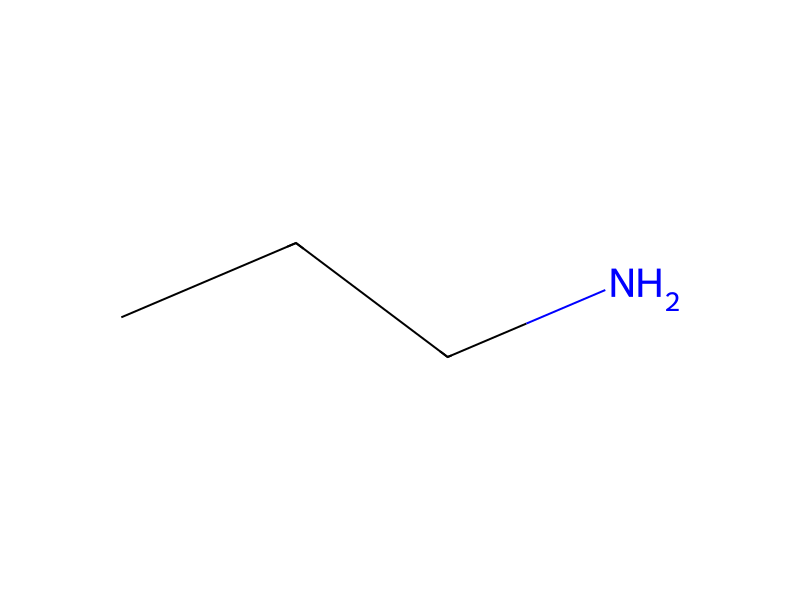
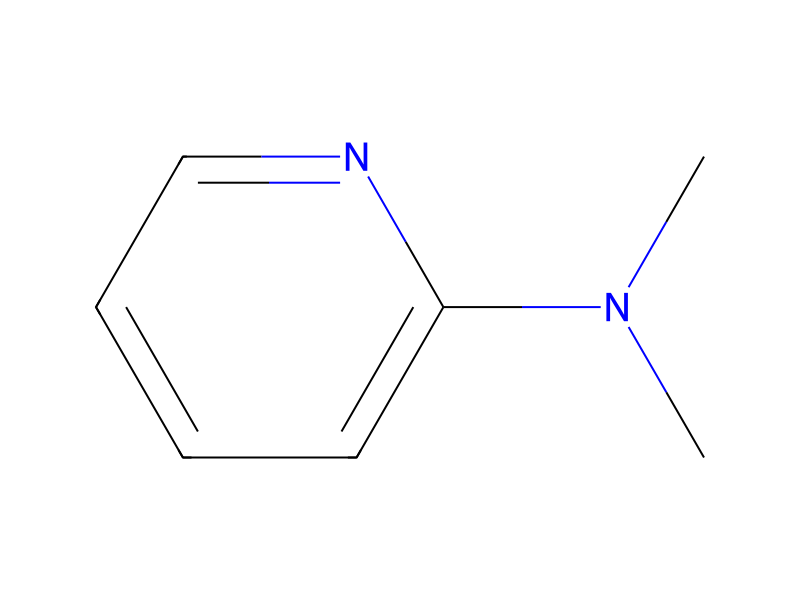
[C:1]([O:5][C:6]([NH:8][CH:9]1[CH2:17][C:16]2[C:11](=[CH:12][CH:13]=[C:14]([C:18]([OH:20])=O)[CH:15]=2)[CH2:10]1)=[O:7])([CH3:4])([CH3:3])[CH3:2].[CH2:21]([NH2:24])[CH2:22][CH3:23].C(N(CC)CC)C.CN(C1C=CC=CN=1)C>C(Cl)Cl.C(OCC)(=O)C>[CH2:21]([NH:24][C:18]([C:14]1[CH:15]=[C:16]2[C:11](=[CH:12][CH:13]=1)[CH2:10][CH:9]([NH:8][C:6]([O:5][C:1]([CH3:4])([CH3:3])[CH3:2])=[O:7])[CH2:17]2)=[O:20])[CH2:22][CH3:23]2-(tert-butoxycarbonylamino)-5-carboxyindan (30 mg, 0.11 mmol) synthesized in Preparation Example 4, n-propylamine (20 μl, 0.24 mmol), triethylamine (0.20 ml, 1.4 mmol), propanephosphonic acid anhydride (0;3 ml) (see Japanese Unexamined Patent Publication (Kokai) No. 55-100346), and dimethylaminopyridine (a catalytic amount) in methylene chloride (0.25 ml) were stirred at room temperature for 30 minutes. The reaction mixture was diluted with ethyl acetate, and then washed with, in the order of, an aqueous solution of saturated potassium hydrogen sulfate, brine, an aqueous solution of saturated sodium hydrogen carbonate, and brine, and then was dried over anhydrous sodium sulfate. The residue obtained by distilling off the solvent under reduced pressure was purified by silica gel chromatography (hexane:ethyl acetate=4:1 to 3:7) to obtain N-propyl-2-(tert-butoxycarbonylamino)-5-indan carboxamide (22 mg, 0.070 mmol) having the following-physical properties:
Wird geladen…