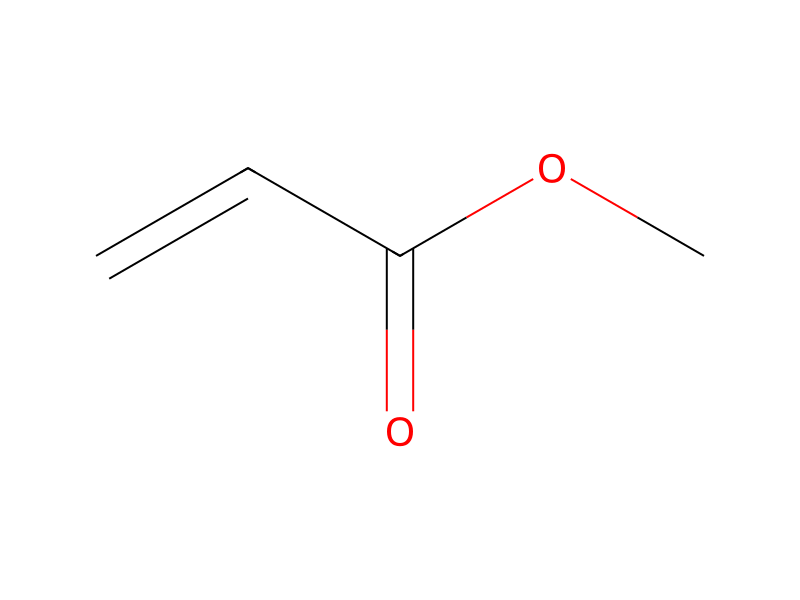
N([O-])=O.[Na+].[F:5][C:6]1[CH:7]=[C:8]([CH:10]=[CH:11][C:12]=1[O:13][CH2:14][C:15]1[N:16]=[C:17]([C:21]2[CH:26]=[CH:25][CH:24]=[CH:23][CH:22]=2)[O:18][C:19]=1[CH3:20])N.[BrH:27].[C:28]([O:32][CH3:33])(=[O:31])[CH:29]=[CH2:30]>O.[Cu]=O.CO.CC(C)=O>[Br:27][CH:29]([CH2:30][C:8]1[CH:10]=[CH:11][C:12]([O:13][CH2:14][C:15]2[N:16]=[C:17]([C:21]3[CH:26]=[CH:25][CH:24]=[CH:23][CH:22]=3)[O:18][C:19]=2[CH3:20])=[C:6]([F:5])[CH:7]=1)[C:28]([O:32][CH3:33])=[O:31]A solution of sodium nitrite (NaNO2) (3.1 g) in water (5 ml) was added dropwise, at temperature ranging from 0 to 5° C., to a mixture of 3-fluoro-4-(5-methyl-2-phenyl-4-oxazolylmethoxy)aniline (12.3 g), aqueous HBr (47%, 28.4 g) and acetone (150 ml)-methanol (50 ml). The mixture was stirred for 25 minutes at the same temperature range, to which was added methyl acrylate (21.3 g). The mixture was heated at temperatures ranging from 30 to 35° C., to which was then added copper oxide (Cu2O) (0.05 g) at the same temperature range. The whole mixture was vigorously stirred. The reaction mixture was stirred for further 30 minutes, which was then concentrated under reduced pressure. To the concentrate was added aqueous ammonia, which was subjected to extraction with ethyl acetate. The ethyl acetate layer was washed with water, which was then dried (MgSO4), followed by distilling off the solvent under reduced pressure. The residue was subjected to column chromatography on silica gel. From the fraction eluted with ethyl acetate-hexane (1:4), was obtained methyl 2-bromo-3-[3-fluoro-4-(5-methyl-2-phenyl-4-oxazolylmethoxy)phenyl]propionate (14.2 g) as an oily product.
Wird geladen…