Water → Indapamide
HRID 1589421
Reaktionsgleichung

[CH2:1]([N:4]([C:19]1[CH:24]=[CH:23][CH:22]=[CH:21][CH:20]=1)[NH:5][C:6](=O)[C:7]1[CH:12]=[CH:11][C:10]([Cl:13])=[C:9]([S:14](=[O:17])(=[O:16])[NH2:15])[CH:8]=1)[CH:2]=[CH2:3].FC(F)(F)S(O)(=O)=O.[OH2:33]>>[Cl:13][C:10]1[CH:11]=[CH:12][C:7]([C:6]([NH:5][N:4]2[C:1]3[C:21](=[CH:22][CH:23]=[CH:3][CH:2]=3)[CH2:20][CH:19]2[CH3:24])=[O:33])=[CH:8][C:9]=1[S:14](=[O:16])(=[O:17])[NH2:15]Komponenten
4

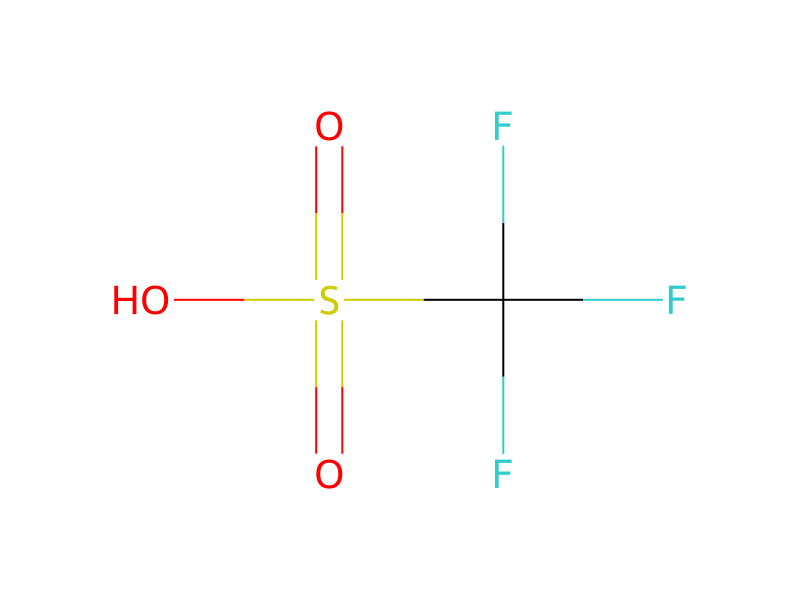


Versuchsvorschrift
In a 50 ml reaction vessel was placed 1 gram (2.73 mmols) of 1-allyl-1-phenyl-2-(3-sulfamoyl-4-chlorobenzoyl)-hydrazine and 10 ml of trifluoromethane sulfonic acid. The reaction mixture was stirred under a nitrogen atmosphere at ambient temperatures. After 15 minutes the solid dissolved and the reaction was allowed to proceed for a total of 4.75 hours. The reaction mixture was worked up by pouring the acid solution into 250 ml of water, extracting the precipitate into ethyl acetate, washing the ethyl acetate several times with water and sodium bicarbonate solution. The ethyl acetate phase was separated and dried with magnesium sulfate and clarified. The isolated product was further purified by dry column chromatography and then crystallized from 50% w/w methanol-acetone.