Benzene → 4-Cyano-2,3,5,6-tetrafluorophenyl acrylate
HRID 1589619
Reaktionsgleichung

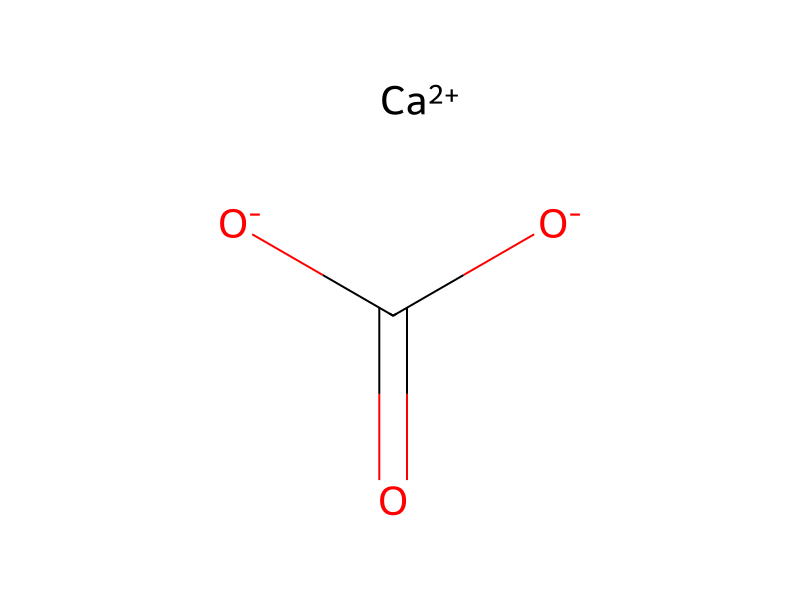
[C:1]([C:3]1[C:8]([F:9])=[C:7]([F:10])[C:6]([OH:11])=[C:5]([F:12])[C:4]=1[F:13])#[N:2].[C:14](=[O:17])([O-])[O-].[Ca+2].Cl.[CH:20]1C=CC=C[CH:21]=1>>[C:14]([O:11][C:6]1[C:5]([F:12])=[C:4]([F:13])[C:3]([C:1]#[N:2])=[C:8]([F:9])[C:7]=1[F:10])(=[O:17])[CH:20]=[CH2:21]Komponenten
5




Versuchsvorschrift
In 30 ml of benzene, 3.82 g (0.020 mol) of 4-cyano-2,3,5,6-tetrafluorophenol and 2.26 g (0.025 mol) of calcium carbonate added thereto as a hydrogen chloride trapping agent were stirred under reflux for 40 hours. The resultant reaction mixture was cooled off and filtered to separate calcium carbonate. The filtrate was dried with magnesium sulfate and then evaporated to dryness with a rotary evaporator. Consequently, there was obtained 2.8 g of 4-cyano-2,3, 5,6-tetrafluorophenyl acrylate (yield 57.1%, purity 95.8%). The analyses obtained of the novel substance for the determination of its chemical structure were the same as those of Example 5.