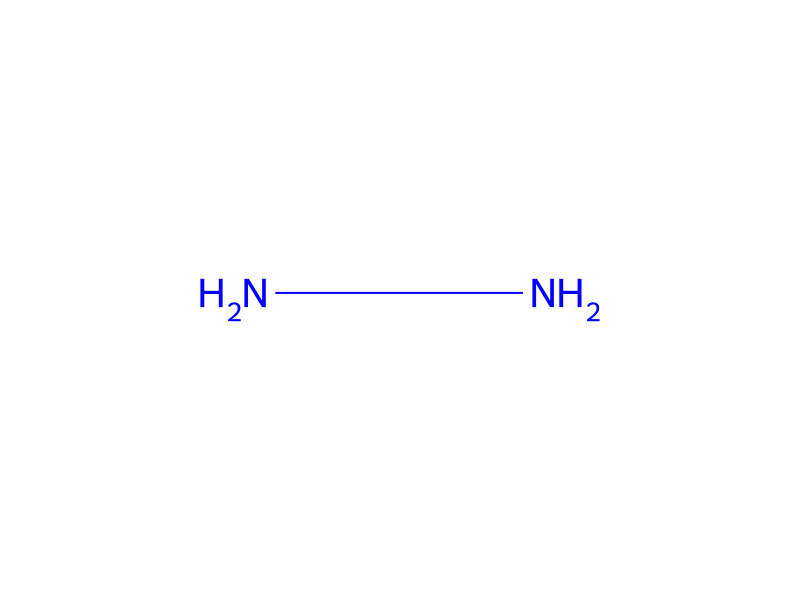
[NH2:1][NH2:2].[C:3]([C:7]1[CH:12]=[CH:11][C:10]([C:13](=O)[CH2:14][CH2:15][C:16]([C:18]2[CH:27]=[CH:26][C:25]3[C:24]([CH3:29])([CH3:28])[CH2:23][CH2:22][C:21]([CH3:31])([CH3:30])[C:20]=3[CH:19]=2)=O)=[CH:9][CH:8]=1)([O:5][CH3:6])=[O:4].[OH-].[Na+]>C(O)C.O>[C:3]([C:7]1[CH:12]=[CH:11][C:10]([C:13]2[N:1]=[N:2][C:16]([C:18]3[CH:27]=[CH:26][C:25]4[C:24]([CH3:29])([CH3:28])[CH2:23][CH2:22][C:21]([CH3:31])([CH3:30])[C:20]=4[CH:19]=3)=[CH:15][CH:14]=2)=[CH:9][CH:8]=1)([O:5][CH3:6])=[O:4]0.3 g (10 millimoles) of 100% pure hydrazine were added dropwise at room temperature to a solution of 4.0 g (10 millimoles) of 1-(4-carbomethoxyphenyl)-4-(5,6,7,8-tetrahydro-5,5,8,8-tetramethyl-2-naphthalenyl)-butane-1,4-dione (for preparation see Example 9) in 50 ml of ethanol. The reaction mixture was then refluxed for 20 minutes, cooled and then stirred into water, and the yellow crystals were filtered off under suction and dried in a stream of nitrogen. For aromatization of unoxidized dihydropyridazine, the crude product was stirred with periodic acid in ethanol until checking by thin layer chromatography showed that mainly a pure product was obtained. The product was then diluted with water, rendered basic with 2N sodium hydroxide solution and extracted with methylene chloride. The organic phase was washed with water, dried over magnesium sulfate and evaporated down. 3.1 g of the title compound remained as an oil; H-NMR (CF3COOH):=8.82 and 8.88 ppm (in each case, d, 2 H, pyridazine-H).