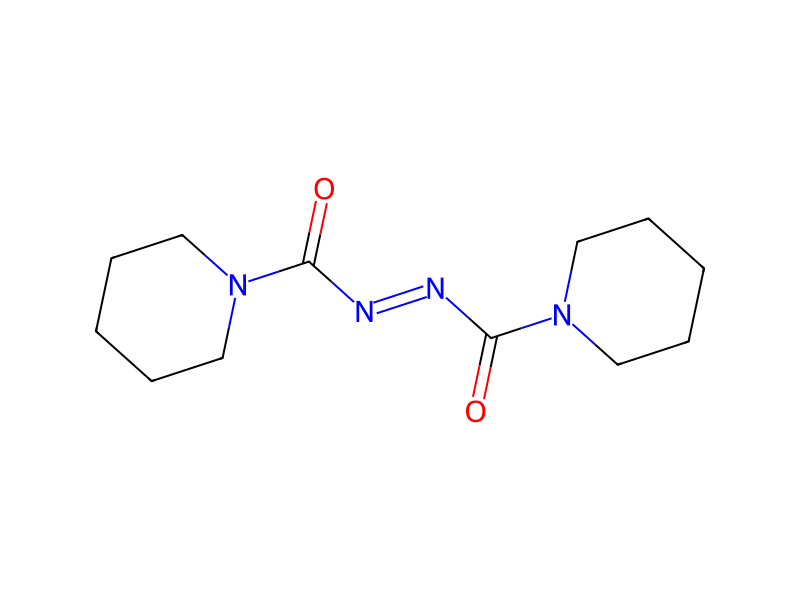
[CH2:1]([O:8][CH2:9][CH2:10][CH2:11][OH:12])[C:2]1[CH:7]=[CH:6][CH:5]=[CH:4][CH:3]=1.[Cl:13][C:14]1[CH:33]=[CH:32][C:17]([NH:18][C:19]2[C:28]3[C:23](=[CH:24][C:25](O)=[C:26]([O:29][CH3:30])[CH:27]=3)[N:22]=[CH:21][N:20]=2)=[C:16]([F:34])[CH:15]=1.N(C(N1CCCCC1)=O)=NC(N1CCCCC1)=O.CCOCC>C(Cl)Cl>[ClH:13].[CH2:1]([O:8][CH2:9][CH2:10][CH2:11][O:12][C:25]1[CH:24]=[C:23]2[C:28]([C:19]([NH:18][C:17]3[CH:32]=[CH:33][C:14]([Cl:13])=[CH:15][C:16]=3[F:34])=[N:20][CH:21]=[N:22]2)=[CH:27][C:26]=1[O:29][CH3:30])[C:2]1[CH:7]=[CH:6][CH:5]=[CH:4][CH:3]=1A solution of 3-benzyloxy-1-propanol (150 μl, 0.9 mmol) was added to tributyephosphine (376 mg, 1.9 mmol) and 4-(4-chloro-2-fluoroanilino)-7-hydroxy-6-methoxyquinazoline (200 mg, 0.63 mmol), (prepared as described for the starting material in Example 4), in methylene chloride (20 ml) at 5° C. To the resulting mixture 1,1′-azodicarbonyldipiperidine (480 mg, 1.9 mmol) was added, the mixture stirred at 5° C. for 1 hour, allowed to warm to ambient temperature and stirred overnight. Ether (10 ml) was added, the mixture stirred for 15 minutes and the precipitated solids removed by filtration. The volatiles were removed from the filtrate by evaporation, and the residue was partitioned between ethyl acetate and water. The organic layer was separated, dried (MgSO4) and the solvent removed by evaporation. The residue was dissolved in acetone, and hydrogen chloride in ether (0.6 ml of a 1M solution, 0.6 mmol) added. The resulting precipitated product was collected by filtration and dried to give 7-(3-benzyloxypropoxy)4-(4-chloro-2-fluoroanilino)-6-methoxyquinazoline hydrochloride (90 mg, 31%).