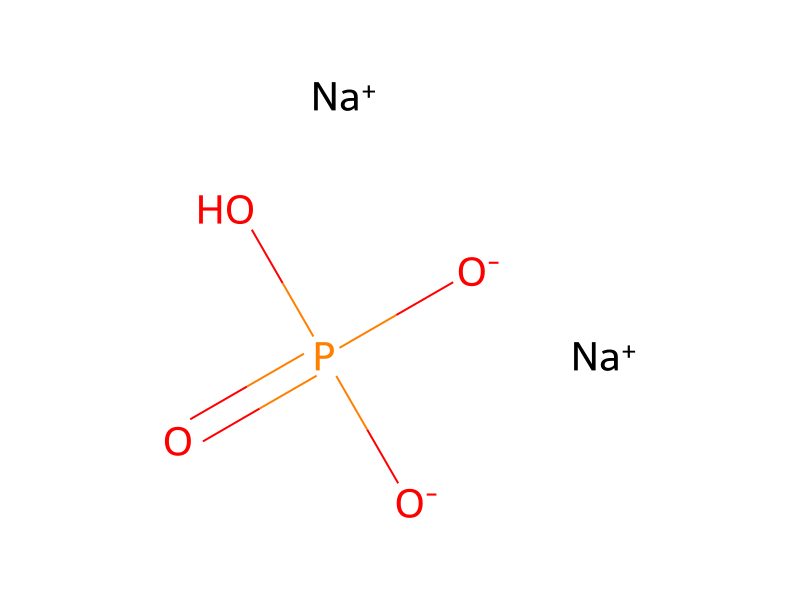
[Cl-].[Na+].[C:3]([C:7]1[N:8]=[C:9]([C:12]2[O:13][C:14]3[CH:20]=[CH:19][C:18]([CH:21]=[O:22])=[CH:17][C:15]=3[CH:16]=2)[S:10][CH:11]=1)([CH3:6])([CH3:5])[CH3:4].P([O-])([O-])(O)=[O:24].[Na+].[Na+].S.[Na]>C(O)(C)(C)C.O1CCCC1.O>[C:3]([C:7]1[N:8]=[C:9]([C:12]2[O:13][C:14]3[CH:20]=[CH:19][C:18]([C:21]([OH:24])=[O:22])=[CH:17][C:15]=3[CH:16]=2)[S:10][CH:11]=1)([CH3:6])([CH3:4])[CH3:5]Sodium chloride (0.47 g) was added to a mixture of 4-tert-butyl-2-(5-formylbenzofuran-2-yl)thiazole (0.41 g), sodium hydrogenphosphate 12 water (0.23 g) and 2-methyl-2-butane (0.69 ml) in a mixed solvent of water (3 ml), tetrahydrofuran (7.5 ml) and tert-butanol (12.6 ml). After 4 hours, aqueous sodium hydrogensulfide solution was added to the mixture. The resulting mixture was extracted with ethyl acetate. The organic layer was washed with brine, dried over magnesium sulfate and concentrated under reduced pressure. The residue was dissolved in 1N-sodium hydroxide and the solution was treated with carbon powder and acidified with diluted hydrochloric acid. The resulting precipitates were collected and washed with water to give 2-(4-tert-butylthiazol-2-yl)benzofuran-5-carboxylic acid (0.38 g).