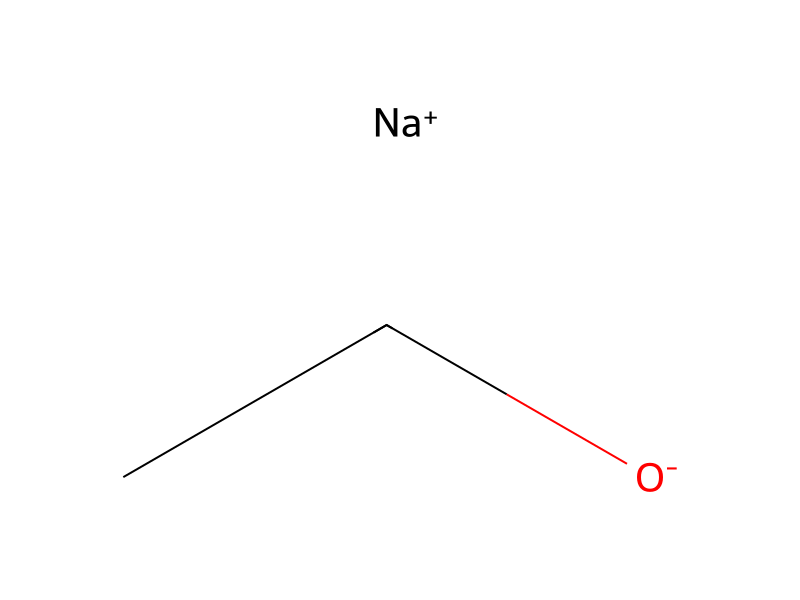
[C:1]([C:4]1[C:22]([OH:23])=[CH:21][CH:20]=[CH:19][C:5]=1[O:6][CH2:7][CH:8]([OH:18])[CH2:9][O:10][C:11]1[CH:16]=[CH:15][CH:14]=[CH:13][C:12]=1[CH3:17])(=[O:3])[CH3:2].[O-:24][CH2:25][CH3:26].[Na+].[Na].C([OH:31])C>C(OCC)(=O)C(OCC)=O.C1C=CC=CC=1>[C:25]([C:26]1[O:23][C:22]2[C:4]([C:1](=[O:3])[CH:2]=1)=[C:5]([O:6][CH2:7][CH:8]([OH:18])[CH2:9][O:10][C:11]1[CH:16]=[CH:15][CH:14]=[CH:13][C:12]=1[CH3:17])[CH:19]=[CH:20][CH:21]=2)([OH:31])=[O:24]A solution of 1-(2-acetyl-3-hydroxyphenoxy)-2-hydroxy-3-o-cresyloxypropane (18.96 g) in diethyl oxalate (22.5 ml) was added to a suspension of sodium ethoxide, prepared from sodium (4.5 g) and ethyl alcohol (4.5 ml), in benzene (150 ml). The mixture was heated under reflux for 1.5 hours, cooled, and filtered after pouring into ether (150 ml). The residual solid was washed with ether and dried, and then added to a mixture of glacial acetic acid (120 ml) and concentrated hydrochloric acid (45 ml) and heated under reflux for 1 hour. After cooling, the residue was poured with stirring into cold water (1 L). The precipitated gum solidified after decanting the liquor and washing with water. The beige solid was recrystallized twice from ethyl acetate and finally from alcohol to give 1-(2-carboxy-chromon-5-yloxy)-2-hydroxy-3-o-cresyloxypropane (6.0g) as an off white solid, m.p. 95°-97° C.