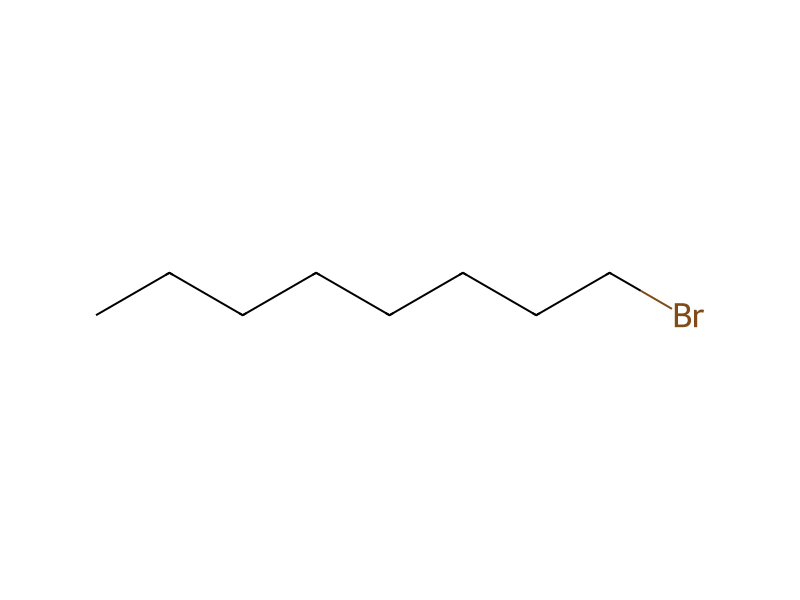
A solution of indole (1.0 g) in dry DMSO (1 ml) is dropped into a suspension of sodium hydride (60% suspension in mineral oil; 0.37 g) in dry DMSO (20 ml), heating to 60° C. for 1 h. After cooling at room temperature, the resulting solution is added dropwise with a solution of n-octyl bromide (2.82 ml) in dry DMSO (2.8 ml). After a night at room temperature, the reaction mixture is poured into water (200 ml) and extracted with ethyl acetate (2×50 ml). The combined organic phases are washed with a NaCl saturated solution, dried and evaporated to dryness. The resulting residue is purified by column chromatography (silica gel; eluent n-hexane) to obtain 1.86 g of 1-(n-octyl)indole as oil.