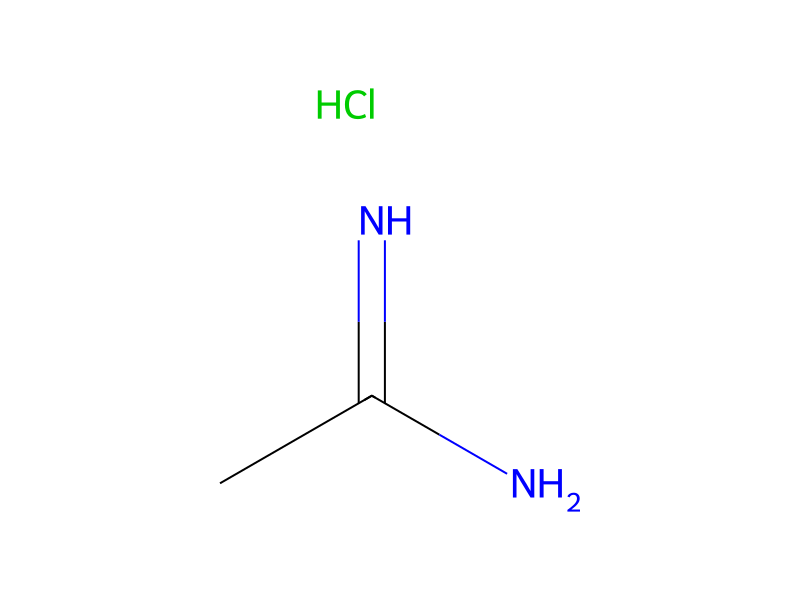
Potassium bicarbonate (2.10 g, 20.7 mmol) was added portionwise to a solution of acetimidamide hydrochloride (1.06 g, 11.2 mmol) in tetrahydrofuran (20 mL) and water (5 mL). The resulting mixture was heated to reflux and 2-bromo-1-(3-bromo-4-methylphenyl)ethanone (preparation 58a, 2.74 g, 9.4 mmol) was added dropwise over a period of 20 minutes. After 3 hours, further acetamidamide hydrochloride (1.06 g, 11.2 mmol) and potassium bicarbonate (1.03 g, 10.1 mmol) were added and the was mixture refluxed overnight. The mixture was evaporated to dryness and partitioned between 2M aqueous hydrochloric acid and ethyl acetate. The acidic aqueous layer was bascified with solid sodium hydroxide and extracted with ethyl acetate. The organic layer was dried (MgSO4) and the solvent was evaporated under reduced pressure to give a semi solid. This semi solid was heated in vacuo at 70° C. for one hour in order to remove excess acetamidamide to give the pure title compound (0.10 g, 5%) as a white solid.