StartseiteMCPWorkbenchSkills
StartseiteWorkbenchBenachrichtigungenMein Bereich
llms.txt · MCP-AnleitungDatenschutz · Nutzungsbedingungen · Supportv1.8.0
  1. Startseite
  2. /Reaktion

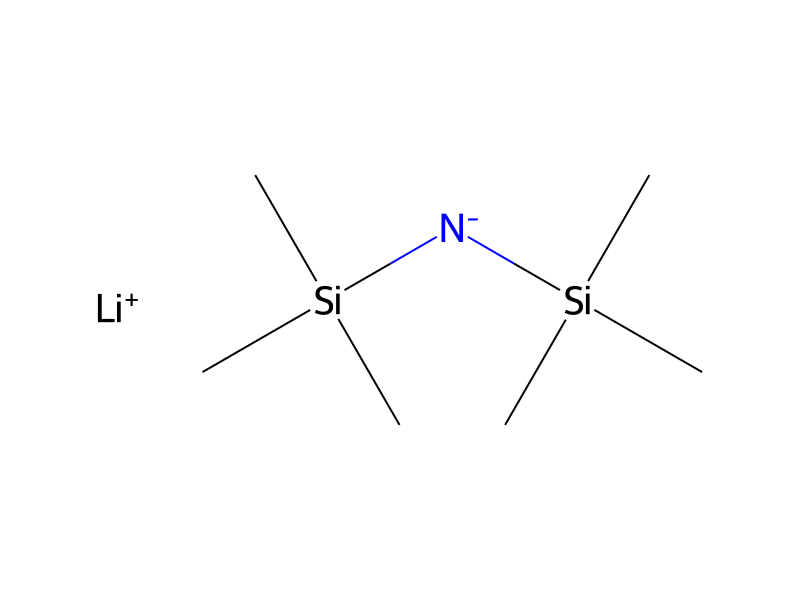
Lithium hexamethyldisilazane → 3-cyano-N-(2,4-dimethoxybenzyl)-4-fluoro-N-1,3,4-thiadiazol-2-ylbenzenesulfonamide

HRID 1619632
Notizen
Druckvorschau

Reaktionsgleichung

Reaktionsgleichung von HRID 1619632
[CH3:1][O:2][C:3]1[CH:15]=[C:14]([O:16][CH3:17])[CH:13]=[CH:12][C:4]=1[CH2:5][NH:6][C:7]1[S:8][CH:9]=[N:10][N:11]=1.C[Si]([N-][Si](C)(C)C)(C)C.[Li+].[C:28]([C:30]1[CH:31]=[C:32]([S:37](Cl)(=[O:39])=[O:38])[CH:33]=[CH:34][C:35]=1[F:36])#[N:29]>CC1CCCO1.O1CCCC1.C(OCC)(=O)C>[C:28]([C:30]1[CH:31]=[C:32]([S:37]([N:6]([CH2:5][C:4]2[CH:12]=[CH:13][C:14]([O:16][CH3:17])=[CH:15][C:3]=2[O:2][CH3:1])[C:7]2[S:8][CH:9]=[N:10][N:11]=2)(=[O:39])=[O:38])[CH:33]=[CH:34][C:35]=1[F:36])#[N:29]
KomponentenReaktionsbedingungenVersuchsvorschriftAufarbeitungQuellen und NachweiseNotizen zur Reaktion

Komponenten

7

Edukt 3

HCID 2733832Lithium hexamethyldisilazaneHCID 27789083-Cyano-4-fluorobenzenesulfonyl chlorideHCID 58042278N-(2,4-dimethoxybenzyl)-1,3,4-thiadiazol-2-amine

Produkt 1

HCID 580422813-cyano-N-(2,4-dimethoxybenzyl)-4-fluoro-N-1,3,4-thiadiazol-2-ylbenzenesulfonamideAusbeute 29,9 %

Reagenzien, Katalysatoren, Lösungsmittel 3
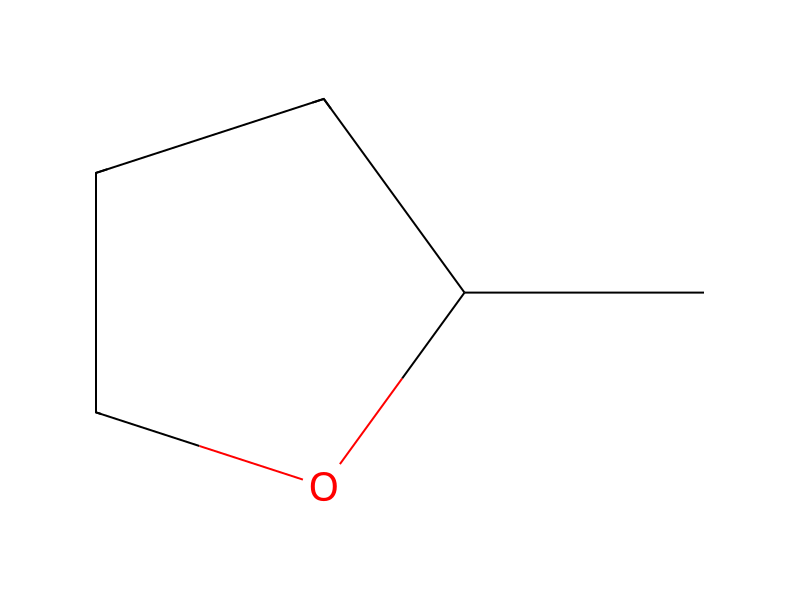
HCID 7301
2-Methyltetrahydrofuran
Lösungsmittel
HCID 8028TetrahydrofuranLösungsmittel2×
HCID 8857Ethyl AcetateLösungsmittel

Reaktionsbedingungen

Temperatur
-50 °C

Versuchsvorschrift

N-(2,4-Dimethoxybenzyl)-1,3,4-thiadiazol-2-amine (Preparation 14, 5.72 g, 22.8 mmol) was dissolved in 2-methyltetrahydrofuran (100 mL) and the suspension cooled to −50° C. A 1M solution of lithium bis(trimethylsilyl)amide in tetrahydrofuran (34.1 mL, 34.1 mmol) was added slowly over 15 minutes. This suspension was stirred at −50° C. for 5 minutes, warmed to 10° C. then cooled again to −78° C. A solution of 3-cyano-4-fluorobenzene-1-sulfonyl chloride (10 g, 45.5 mmol) in tetrahydrofuran (20 mL) was then added drop wise. The pale orange solution was allowed to warmed to 20° C. for 18 hours. The reaction was quenched with an aqueous solution of saturated ammonium chloride (50 mL) and stirred vigorously for 5 minutes. Ethyl acetate (100 mL) was added and the layers separated. The organic layer was washed with water (100 mL) and concentrated in vacuo to give an orange gum. The gum was dissolved in ethyl acetate and eluted through a silica plug before being purified by silica gel column chromatography (ISCO™, 50% ethyl acetate in heptane) to afford the title compound as a pale yellow oil (2.96 g).

Aufarbeitung

  1. temperaturewarmed to 10° C.
  2. temperaturethen cooled again to −78° C
  3. temperatureto warmed to 20° C. for 18 hours
  4. customThe reaction was quenched with an aqueous solution of saturated ammonium chloride (50 mL)
  5. stirringstirred vigorously for 5 minutes
  6. additionEthyl acetate (100 mL) was added
  7. customthe layers separated
  8. washThe organic layer was washed with water (100 mL)
  9. concentrationconcentrated in vacuo
  10. customto give an orange gum
  11. washeluted through a silica plug
  12. custombefore being purified by silica gel column chromatography (ISCO™, 50% ethyl acetate in heptane)

Quellen und Nachweise

ORD-Eintrag
ord-54162c2e962247e9a0a2783901caa675
Quelldatensatz
uspto-grants-2014_07
DOI
10.6084/m9.figshare.5104873.v1
Patentnummer
US08772293B2

Notizen zur Reaktion

Wird geladen…

Auf dieser SeiteKomponentenReaktionsbedingungenVersuchsvorschriftAufarbeitungQuellen und NachweiseNotizen zur Reaktion