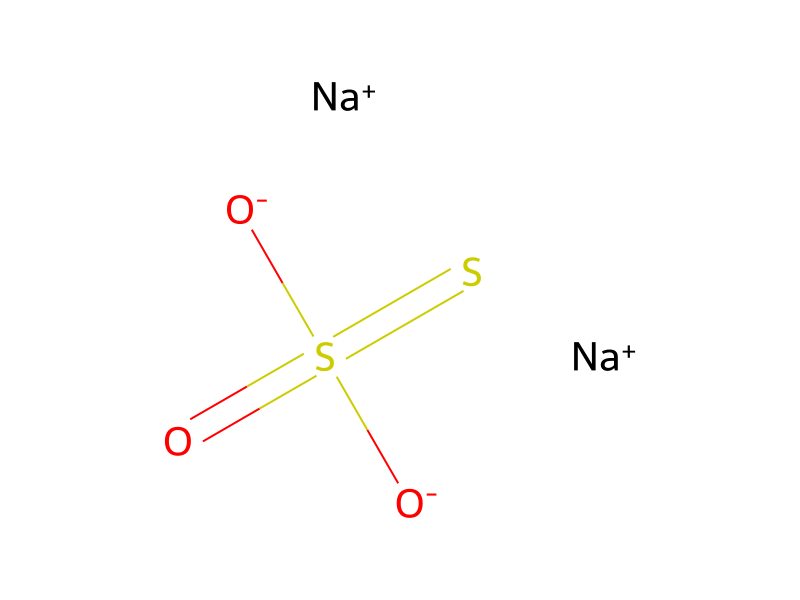
To a solution of 4-methoxy-1-methyl-1,3-dihydro-indol-2-one (440 mg, 2.483 mmol) in chloroform (25 ml) was added methanol (25.00 ml). The reaction was put at −10° C. and N-bromosuccinimide (442 mg, 2.483 mmol) was added in three portions over a 30 min interval and the reaction was then stirred for 10 minutes. The reaction was then diluted with dichloromethane, saturated aqueous sodium bicarbonate, and saturated aqueous sodium thiosulfate and the layers were separated. The aqueous layer was extracted two additional times with dichloromethane and the organic layers were combined, dried over anhydrous sodium sulfate, filtered, and concentrated. The resulting residue was purified by silica gel flash chromatography (ethyl acetate-heptane, 0 to 60%) to afford 5-bromo-4-methoxy-1-methyl-1,3-dihydro-indol-2-one; MS: (ES+) m/z 255.8 (M+H)+.