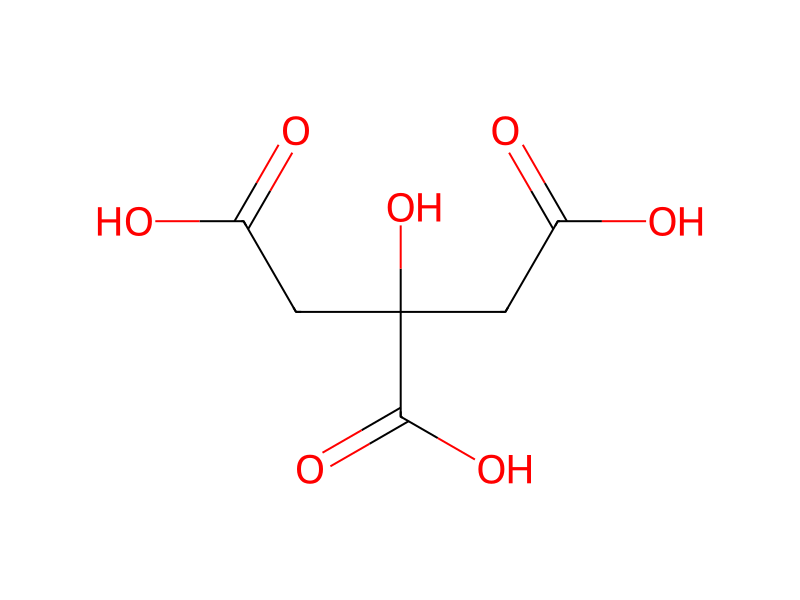
CC(C)([O-])C.[K+].[N+:7]([CH2:9][C:10]([O:12][CH3:13])=[O:11])#[C-:8].[Br:14][C:15]1[CH:16]=[CH:17][C:18]([Cl:25])=[C:19]([CH2:21][C:22](Cl)=[O:23])[CH:20]=1.C(O)(=O)CC(CC(O)=O)(C(O)=O)O>O1CCCC1>[Br:14][C:15]1[CH:16]=[CH:17][C:18]([Cl:25])=[C:19]([CH2:21][C:22]2[O:23][CH:8]=[N:7][C:9]=2[C:10]([O:12][CH3:13])=[O:11])[CH:20]=1A solution of potassium t-butoxide (1.35 g) in tetrahydrofuran (20 ml) was cooled to 0° C., and thereto was added methyl isocyanoacetate (1.33 ml). Then, a solution of the above 5-bromo-2-chlorophenylacetyl chloride in tetrahydrofuran (20 ml) was added thereto, and the mixture was stirred at 0° C. for 2 hours, and then at room temperature overnight. The mixture was cooled again to 0° C. 10% aqueous citric acid solution was added thereto, and the mixture was extracted with ethyl acetate. The extract was washed with water and brine, and dried over sodium sulfate. The solvent was evaporated under reduced pressure and the residue was purified by silica gel column chromatography (hexane:ethyl acetate=3:1) to give 5-bromo-2-chloro-1-(4-methoxycarbonyl-5-oxazolylmethyl)benzene (1.12 g) as a yellow solid. APCI-Mass m/Z 330/332 (M+H).