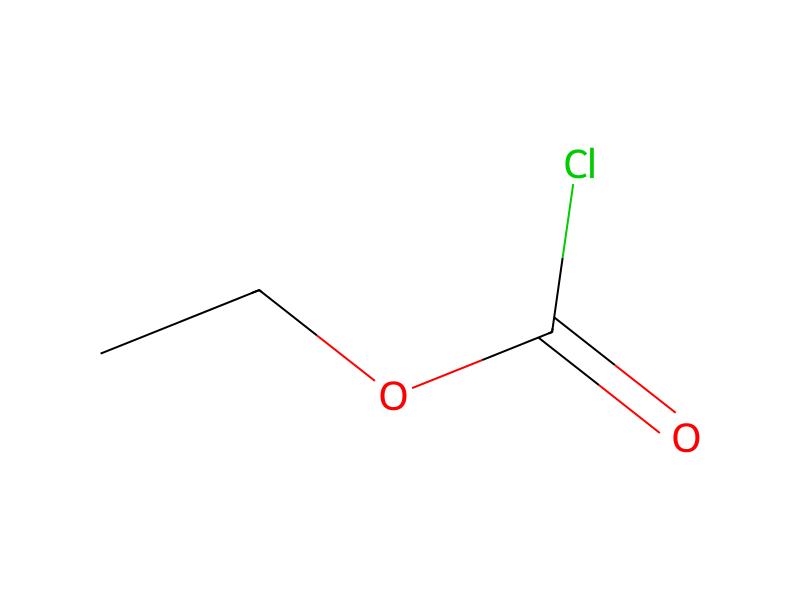
[CH3:1][O:2][C:3]1[CH:11]=[CH:10][C:9]([N+:12]([O-:14])=[O:13])=[CH:8][C:4]=1[C:5]([OH:7])=O.C(N(CC)CC)C.C(Cl)(=O)OCC.[F:28][C:29]([F:39])([F:38])[C:30]1[CH:37]=[CH:36][C:33]([CH2:34][NH2:35])=[CH:32][CH:31]=1>ClCCl.O>[CH3:1][O:2][C:3]1[CH:11]=[CH:10][C:9]([N+:12]([O-:14])=[O:13])=[CH:8][C:4]=1[C:5]([NH:35][CH2:34][C:33]1[CH:32]=[CH:31][C:30]([C:29]([F:28])([F:38])[F:39])=[CH:37][CH:36]=1)=[O:7]Publicly known [e.g. De.Paulis et al, J. Med. Chem., 1022(1922)]2-methoxy-5-nitrobenzoic acid (9.00 g, 45.7 mmol) was dissolved in 450 ml of dichloromethane and, after triethylamine (8.11 ml, 58.4 mmol) and ethyl chlorocarbonate (4.70 ml, 49.3 mmol) were added, the mixture was stirred for 45 minutes at room temperature. Next, 4-trifluoromethylbenzylamine (9.59 g, 54.8 mmol) was added dropwise, which was stirred for 30 minutes at room temperature. The reaction mixture was poured into water. The organic layer was separated, dried over anhydrous magnesium sulfate and concentrated. The residue was recrystallized from ethyl acetate to obtain 12.5 g of the aimed compound as yellow powder. Further, the filtrate was concentrated and recrystallized from ethyl acetate to obtain 2.13 g of the second crystals. Total 14.6 g (91%).