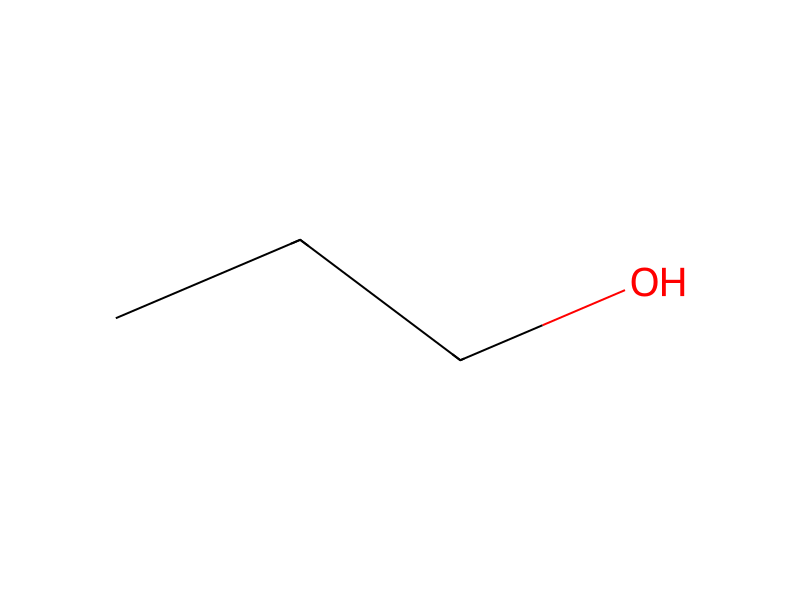
[Cl:1][C:2]1[CH:7]=[CH:6][C:5]([C:8]2([C:11]([CH3:21])([CH3:20])[CH2:12][C:13]3[CH:18]=[CH:17][C:16]([Cl:19])=[CH:15][CH:14]=3)[CH2:10][O:9]2)=[CH:4][CH:3]=1.[NH:22]1[CH:26]=[CH:25][N:24]=[C:23]1[Na].O>C(O)CC>[Cl:1][C:2]1[CH:7]=[CH:6][C:5]([C:8]([OH:9])([C:11]([CH3:21])([CH3:20])[CH2:12][C:13]2[CH:18]=[CH:17][C:16]([Cl:19])=[CH:15][CH:14]=2)[CH2:10][N:22]2[CH:26]=[CH:25][N:24]=[CH:23]2)=[CH:4][CH:3]=130 g (0.0935 mol) of 2-(4-chlorophenyl)-2-(4-chlorophenyl-tert.-butyl)-oxirane in 40 ml of n-propanol are added dropwise to a solution of 7.7 g (0.108 mol) of imidazolyl-sodium in 60 ml of n-propanol at the reflux temperature. The reaction mixture is stirred under reflux for a further 48 hours and cooled, water is added, and the mixture is extracted with methylene chloride. The organic phase is dried over sodium sulphate and concentrated in vacuo. The oily residue is stirred in diisopropyl ether. The crystalline precipitate formed is filtered off under suction and dried. 12.7 g (35% of theory) of 2,4-bis(4-chlorophenyl)-3,3-dimethyl-1-(imidazol-1-yl)-butan-2-ol of melting point 174° C. are obtained.