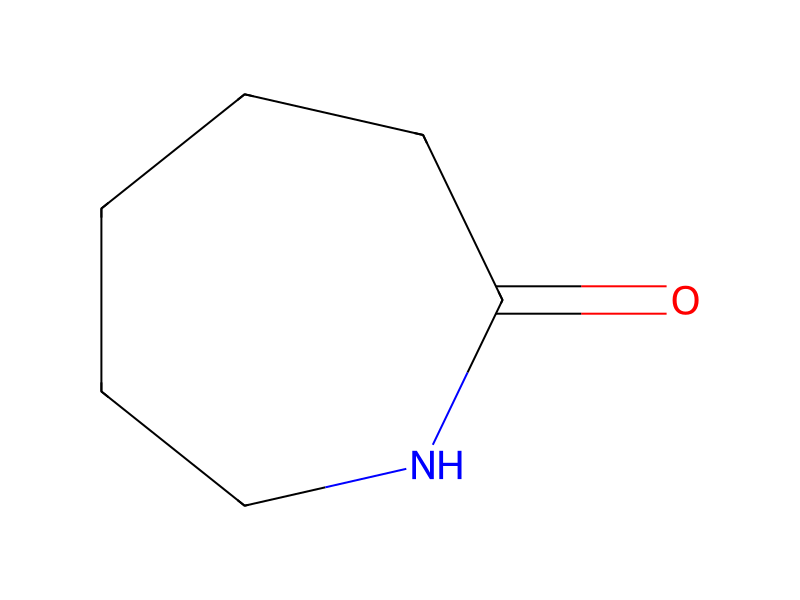
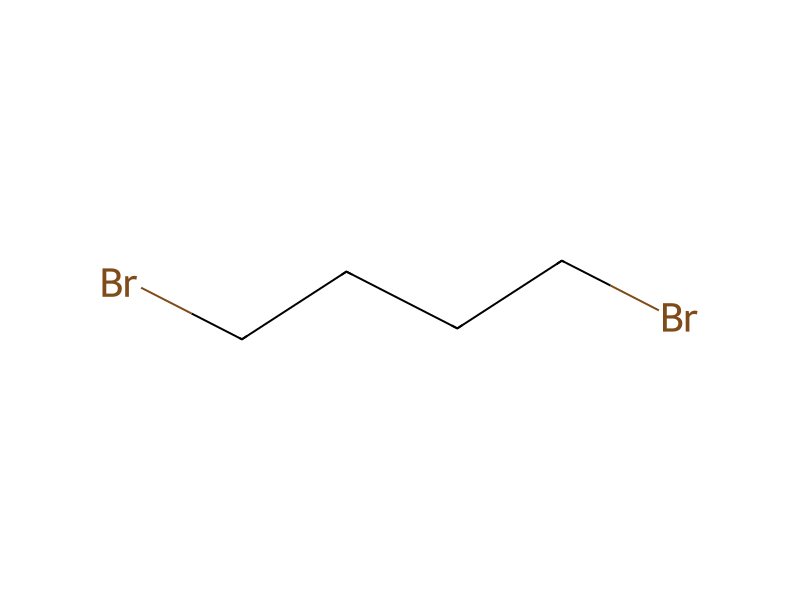
A mixture of 0.88 g of 60% sodium hydride and 200 ml of dry toluene was incorporated dropwise with a solution of 2.26 g of azacycloheptane-2-one in toluene, heated under reflux for one hour, thereafter incorporated with 17.3 g of 1,4-dibromobutane, further refluxed for 18 hours and then filtered to remove insoluble materials to obtain a filtrate. The thus obtained filtrate was washed with water, dried, freed from the solvent by distillation off at reduced pressure and then finally distilled to obtain an oily substance. A mixture of 3.92 g of the thus obtained oily substance, 1.82 g of n-heptylamine and 50 ml of benzene was incorporated dropwise with 2.64 g of 1,8-diazabicyclo [5,4,0] undecene-7 (DBU) in benzene and agitated at room temperature for a whole day. The thus obtained reaction mixture (liquid state) was washed with water, dried, freed from the solvent by distillation off at reduced pressure and then finally distilled to obtain 3.16 g of colorless 1-[4-(n-heptylamino) butyl] azacycloheptane-2-one having the following appearance, column temperature and analysis: