Potassium Carbonate → 2-(2-Chloro-phenyl)pyridine
Reaktionsgleichung

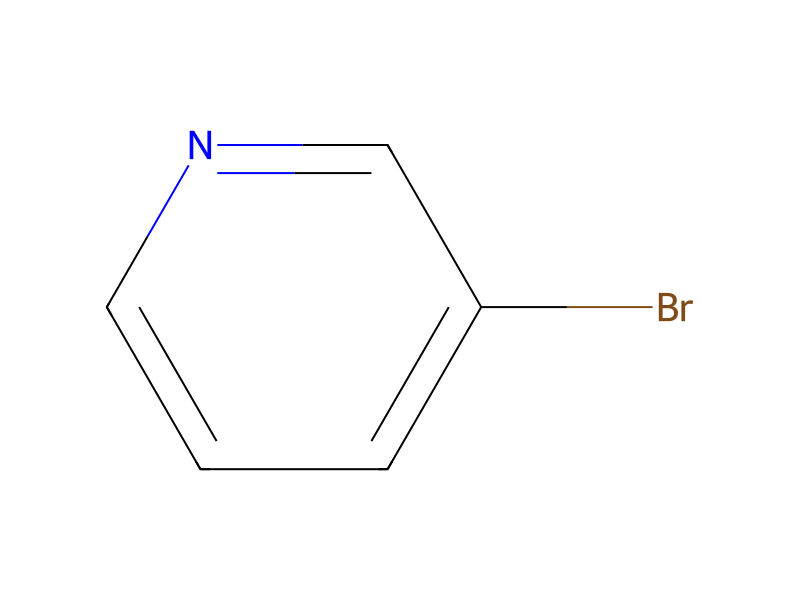
[Cl:1][C:2]1[CH:7]=[CH:6][CH:5]=[CH:4][C:3]=1B(O)O.Br[C:12]1[CH:13]=[N:14][CH:15]=[CH:16][CH:17]=1.C(=O)([O-])[O-].[K+].[K+]>C1C=CC(P(C2C=CC=CC=2)C2C=CC=CC=2)=CC=1.C1C=CC(P(C2C=CC=CC=2)C2C=CC=CC=2)=CC=1.C1C=CC(P(C2C=CC=CC=2)C2C=CC=CC=2)=CC=1.C1C=CC(P(C2C=CC=CC=2)C2C=CC=CC=2)=CC=1.[Pd].O1CCCC1>[Cl:1][C:2]1[CH:7]=[CH:6][CH:5]=[CH:4][C:3]=1[C:13]1[CH:12]=[CH:17][CH:16]=[CH:15][N:14]=1Komponenten
6