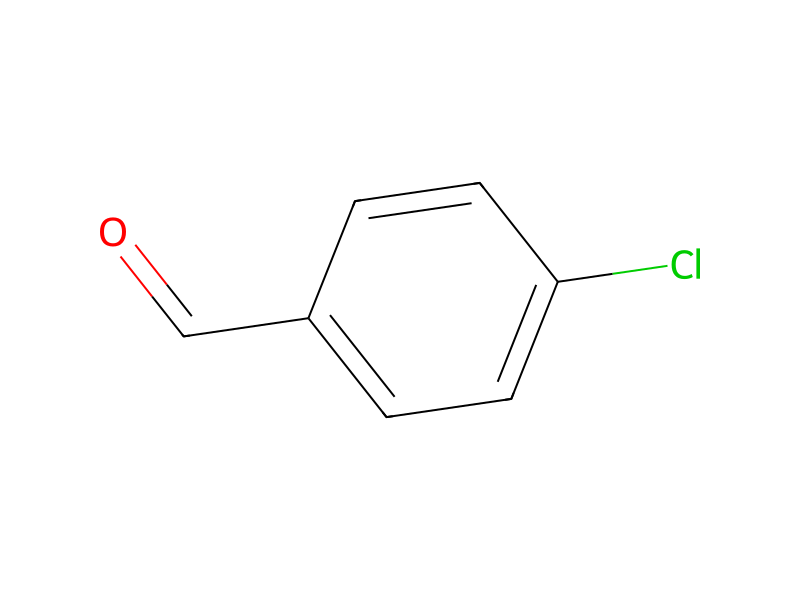
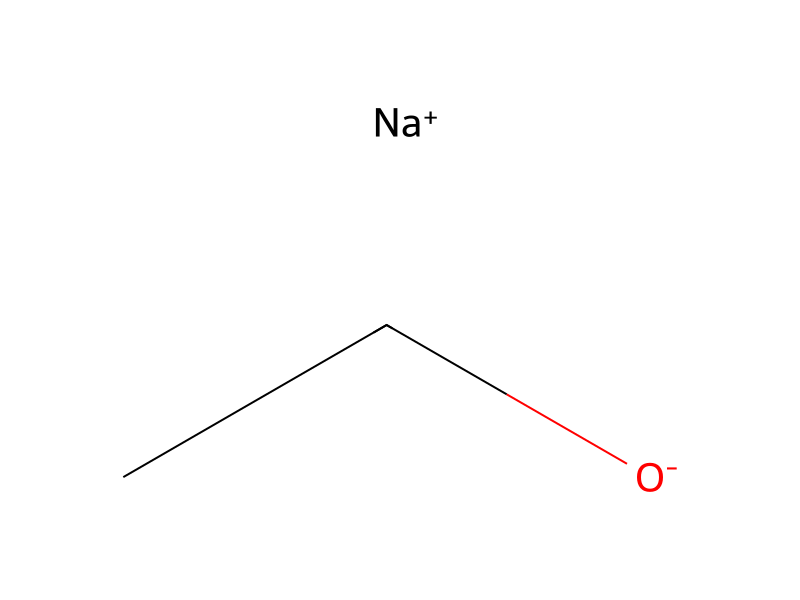
To a stirred solution of Step 1 intermediate (200 mg, 1.206 mmol) in ethanol (30 ml) was added 4-chlorobenzaldehyde (253 mg, 1.795 mmol) followed by sodium ethoxide (122 mg, 1.795 mmol) in ethanol at room temperature. The reaction mixture was heated to reflux for 12 h. The reaction mixture was allowed to cool to room temperature and concentrated under reduced pressure. The residue obtained was partitioned between chloroform (100 ml) and water (50 ml). The organic layer was washed with brine (100 ml), dried (Na2SO4) and concentrated to afford a crude product which was purified by silica gel column chromatography using 2% acetone in chloroform to give 59 mg of the product as a white solid; 1H NMR (300 MHz, CDCl3) δ 6.25 (s, 1H), 6.87 (d, J=15.6 Hz, 1H), 6.94 (d, J=4.8 Hz, 1H), 7.33 (d, J=9.0 Hz, 2H), 7.49 (d, J=8.4 Hz, 2H), 7.73 (d, J=15.6 Hz, 1H), 7.90 (d, J=4.8 Hz, 1H); ESI-MS (m/z) 289.37 (M+H)+.