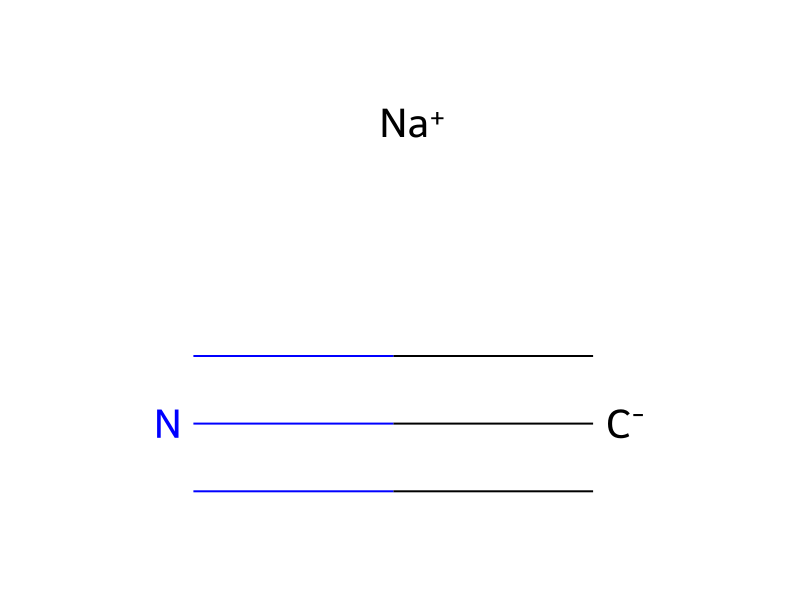
A solution of 34.3 g. (0.700 mole) sodium cyanide in 40 ml. of water is warmed to 50°C. and a solution of α-bromo-4-pivaloyl toluene in 85 ml. ethanol is then added dropwise at such a rate as to maintain the temperature at 50°C. After the addition is complete, the mixture is refluxed for four hours. The excess ethanol is removed in vacuo and the resulting residue is treated with ether/water. The layers are separated and the ether is washed with cold 50% sulfuric acid, water and sodium bicarbonate; then the ether layer is dried over anhydrous magnesium sulfate, filtered and evaporated in vacuo. The residue is distilled in vacuo to give 4-pivaloylphenyl acetonitrile (b.p. 143°-148°C/0.75 mm n22 =1.5244.)