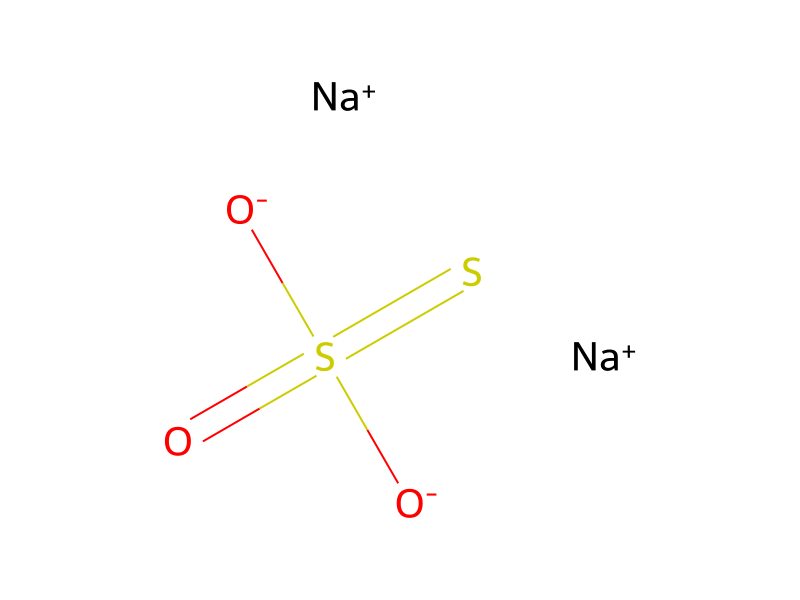
C1(S[C:8]2[CH:9]=[C:10]([CH:14]3[O:18][CH2:17][CH2:16][O:15]3)[CH:11]=[CH:12][CH:13]=2)C=CC=CC=1.Cl[C:20]1[CH:25]=[CH:24][CH:23]=[C:22](C(OO)=O)[CH:21]=1.[S:30]([O-:34])([O-])(=[O:32])=S.[Na+].[Na+].C(=O)(O)[O-].[Na+]>ClCCl>[C:20]1([S:30]([C:12]2[CH:11]=[C:10]([CH:14]3[O:15][CH2:16][CH2:17][O:18]3)[CH:9]=[CH:8][CH:13]=2)(=[O:34])=[O:32])[CH:25]=[CH:24][CH:23]=[CH:22][CH:21]=1Combine 2-(3-phenylsulfanylphenyl)-[1,3]-dioxolane (1.0 g, 3.6 mmol) and dichloromethane (15 ml). Cool to about −78° C. Add a slurry of m-chloroperbenzoic acid (2.3 g, 7.2 mmol) in dichloromethane (10 ml). After 30 minutes, warm to room temperature then add a solution 1N of sodium thiosulfate (20 ml). After 15 minutes, add a solution of saturated sodium bicarbonate. Separate the organic layer and extract the aqueous layer with dichloromethane, combine the organic layers and wash sequentially with distilled water and brine and then dry (Na2SO4), filter, and concentrate to give a residue. Chromatograph the residue eluting with EtOAc to give the title compound.
Wird geladen…