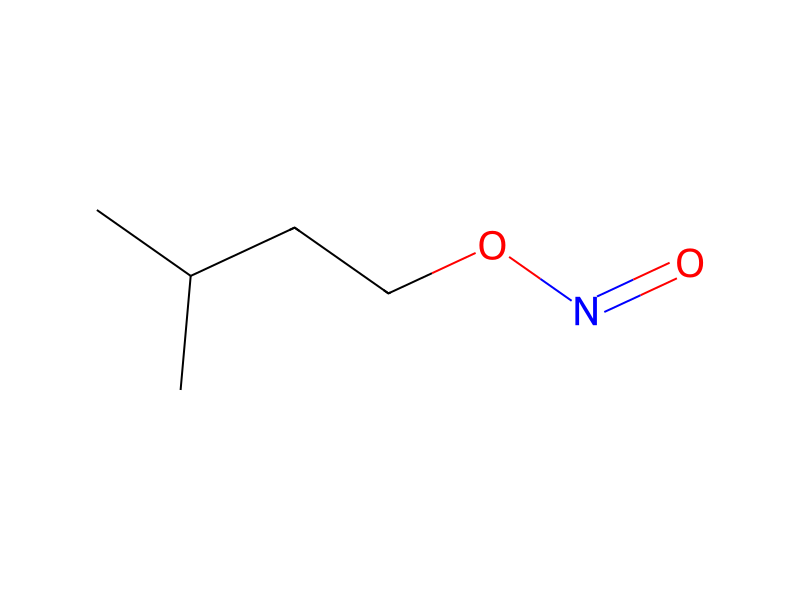
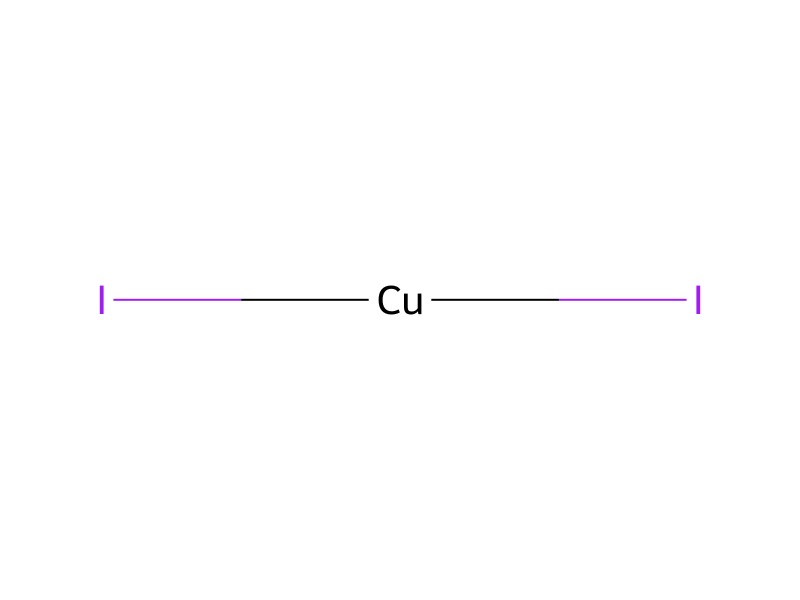
Commercially available 4-aminophthalimide (500 mg, 3.08 mmol) was dissolved in acetonitrile (15 mL). To the mixture were added cesium iodide (961 mg, 3.70 mmol), iodine (947 mg, 3.70 mmol), and copper iodide (712 mg, 3.70 mmol) at room temperature, and then an 11% aqueous hydrogen iodide solution (15 mL) and isoamyl nitrite (1.24 mL, 9.24 mmol) at 0° C. The mixture was stirred at room temperature for 6.5 hours, and then for 1.5 hours after adding isoamyl nitrite (4.96 mL, 37.0 mmol). Then, saturated sodium bicarbonate was added to the mixture, and after filtration through sellite, the organic layer was separated. The resulting organic layer was washed with a saturated aqueous sodium thiosulfate solution and dried over anhydrous magnesium sulfate, and the solvent was evaporated under reduced pressure. The resulting residue was triturated with chloroform, and the resulting solid was filtered off and dried to give 4-iodophthalimide (394 mg, 47%).