Lithium hydroxide, monohydrate → 4-(6-(Trifluoromethyl)pyridin-3-yl)benzoic acid
HRID 1677131
Reaktionsgleichung

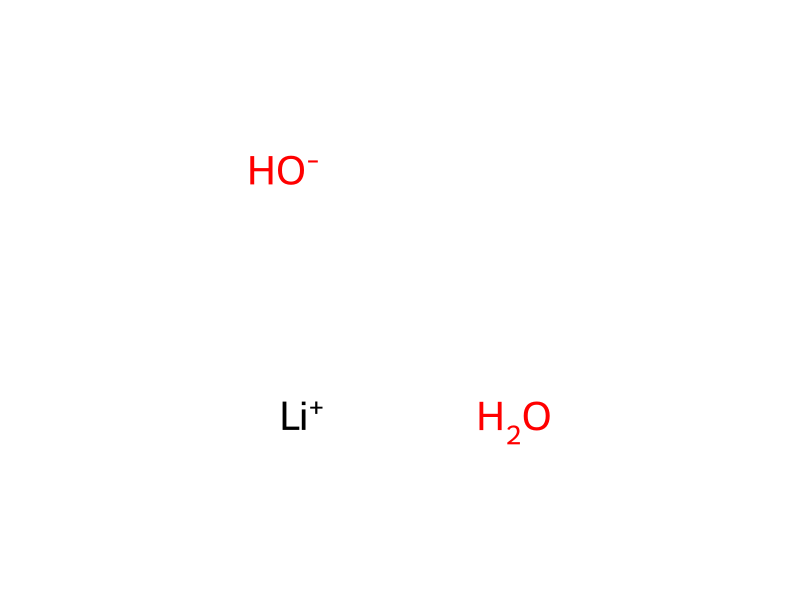
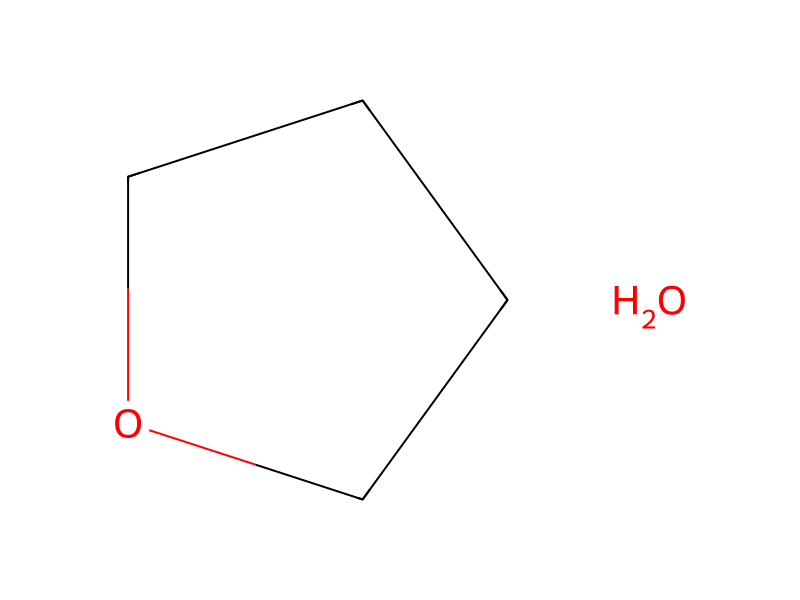
C[O:2][C:3](=[O:20])[C:4]1[CH:9]=[CH:8][C:7]([C:10]2[CH:11]=[N:12][C:13]([C:16]([F:19])([F:18])[F:17])=[CH:14][CH:15]=2)=[CH:6][CH:5]=1.O.[OH-].[Li+]>O1CCCC1.O>[F:18][C:16]([F:17])([F:19])[C:13]1[N:12]=[CH:11][C:10]([C:7]2[CH:8]=[CH:9][C:4]([C:3]([OH:20])=[O:2])=[CH:5][CH:6]=2)=[CH:15][CH:14]=1Komponenten
4
Edukt 2

Produkt 1

Reagenzien, Katalysatoren, Lösungsmittel 1
Versuchsvorschrift
Procedure F′: 5-Bromo-2-trifluoromethylpyridine (Eur J. Org Chem (2003), 1559) (0.85 g, 3.7 mmol), methoxycarbonylphenyl-4-boronic acid (0.44 g, 2.4 mmol) and sodium carbonate (1 g, 9.4 mmol) are suspended in dioxane/water (9:1) (25 ml). The mixture is degassed for 20 minutes with a nitrogen stream, tetrakis(triphenylphosphine) palladium (0.05 g, 0.04 mmol) is added and the mixture is heated to reflux under nitrogen overnight. The mixture is concentrated under reduced pressure and partitioned between water and ethyl acetate. The aqueous layer is extracted several times with ethyl acetate. The combined organic layers are dried over MgSO4 and evaporated. The crude product is purified by silica-gel column chromatography (gradient 10% ethyl acetate in cyclohexane to 10% cyclohexane in ethyl acetate) to give 4-(6-trifluoromethyl-pyridin-3-yl)-benzoic acid methyl ester. MS (FIA) 282.0 (MH+). Procedure G′: 4-(6-Trifluoromethyl-pyridin-3-yl)-benzoic acid methyl ester (0.57 g, 2 mmol) is dissolved in tetrahydrofuran/water (9:1) (25 ml), lithium hydroxide monohydrate (0.9 g, 2.2 mmol) is added and the mixture is heated under reflux overnight. The mixture is concentrated under reduced pressure and partitioned between water and ethyl acetate. The aqueous layer is acidified and the resulting precipitate is collected by filtration to give the 4-(6-trifluoromethyl-pyridin-3-yl)-benzoic acid. MS (FIA) 267 (MH−)