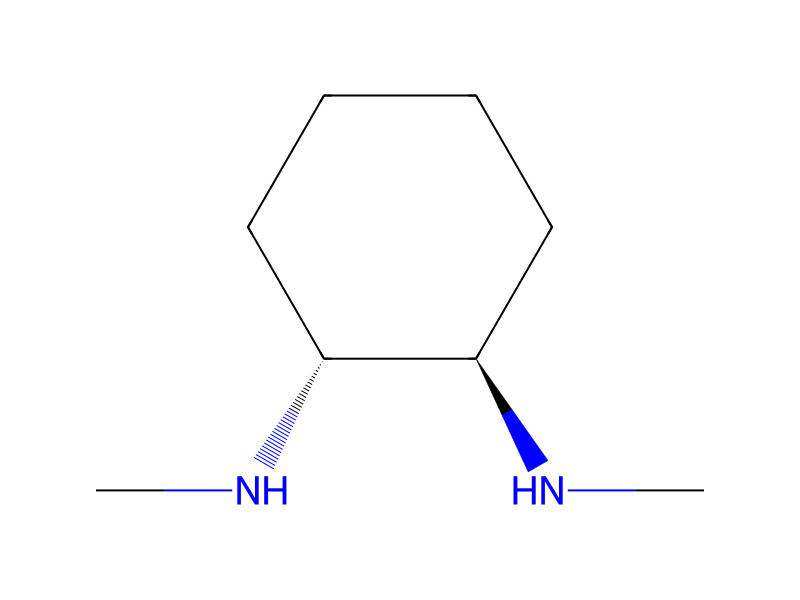
[CH3:1][O:2][C:3]([C:5]1[C:6]2[CH:7]=[N:8][NH:9][C:10]=2[CH:11]=[C:12]([Br:14])[CH:13]=1)=[O:4].C(=O)([O-])[O-].[K+].[K+].[F:21][C:22]1[CH:27]=[CH:26][C:25](I)=[CH:24][CH:23]=1.CN[C@@H]1CCCC[C@H]1NC>O.C(OCC)(=O)C.[Cu]I.CN(C=O)C>[CH3:1][O:2][C:3]([C:5]1[C:6]2[CH:7]=[N:8][N:9]([C:25]3[CH:26]=[CH:27][C:22]([F:21])=[CH:23][CH:24]=3)[C:10]=2[CH:11]=[C:12]([Br:14])[CH:13]=1)=[O:4]A mixture of 6-bromo-4-indazolecarboxylic acid methyl ester (2.0 g, 7.8 mmol), copper(I) iodide (0.4 g, 0.2 mmol), potassium carbonate (1.2 g, 8.5 mmol) and 4-fluoroiodobenzene (1.8 g, 8.5 mmol) was charged in a sealed tube at room temperature. The tube was evacuated and back-filled with argon, and DMF (10 mL) and rac-trans-N,N′-dimethylcyclohexane-1,2-diamine (0.20 g, 1.4 mmol) was added. The solution was stirred at 120° C. for 3 hours, cooled to room temperature, and diluted with water (30 mL) and ethyl acetate (50 mL). The organic layer was separated, washed with brine (10 mL) and dried over sodium sulfate. The solvent was removed in vacuo. The residue was purified by silica gel chromatography eluting with a gradient of 0-30% ethyl acetate in hexanes to afford 6-bromo-1-(4-fluoro-phenyl)-1H-indazole-4-carboxylic acid methyl ester.