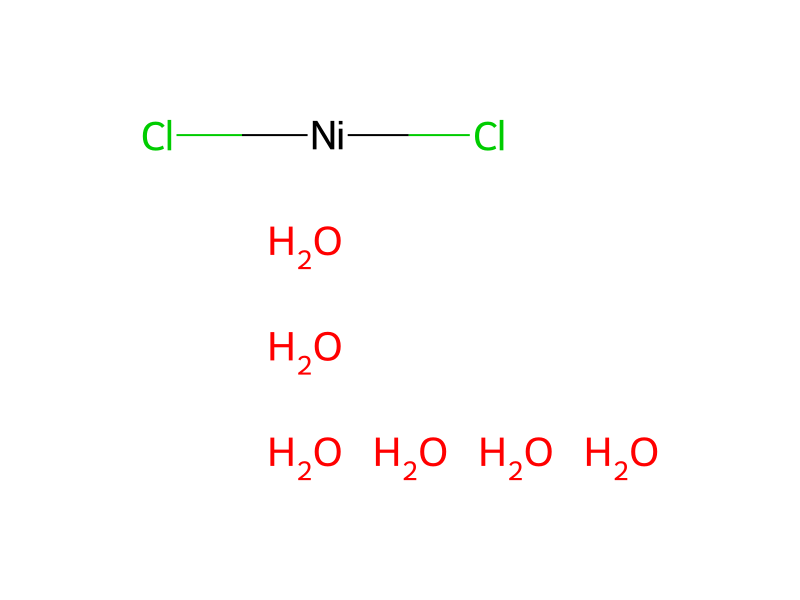
CS[C:3]([C:13]1[N:18]=[C:17]([O:19][CH3:20])[CH:16]=[C:15]([O:21][CH3:22])[N:14]=1)([C:5]1[CH:10]=[CH:9][CH:8]=[C:7]([Cl:11])[C:6]=1[NH2:12])[CH3:4].[BH4-].[Na+]>CO.O.O.O.O.O.O.[Ni](Cl)Cl>[NH2:12][C:6]1[C:7]([Cl:11])=[CH:8][CH:9]=[CH:10][C:5]=1[CH:3]([C:13]1[N:14]=[C:15]([O:21][CH3:22])[CH:16]=[C:17]([O:19][CH3:20])[N:18]=1)[CH3:4]To a solution of 2-{1-methylthio-1-(2-amino-3-chlorophenyl)ethyl}-4,6-dimethoxypyrimidine 3 g (8.8 mmol) in 100 ml methanol, nickel (II) chloride hexahydrate 4.2 g (17.7 mmol) was added at 0° C. and the mixture was stirred for 30 minutes. Then, at the same temperature, sodium borohydride 1.35 g (35 mmol) was added little by little thereto. The solution was stirred at room temperature for 1 hour and then the solvent was distilled off. 2N-hydrochloric acid was added to the residue and then 28% aqueous ammonia was added and the mixture was extracted with ethyl acetate. The organic layer washed with an aqueous solution of sodium hydroxide and the solvent was distilled off. After washing with hexane, the deposited crystals were filtered to obtain 2-{1-(2-amino-3-chlorophenyl)ethyl}-4,6-dimethoxypyrimidine 2.12 g (82%).