p-Toluenesulfonic acid → 1,2,3,4-Butane Tetracarboxylic Acid Monododecyl Ester
Reaktionsgleichung

[CH2:1]([C:14]([OH:16])=[O:15])[CH:2]([C:11]([OH:13])=[O:12])[CH:3]([C:8]([OH:10])=[O:9])[CH2:4][C:5]([OH:7])=[O:6].[CH2:17](O)[CH2:18][CH2:19][CH2:20][CH2:21][CH2:22][CH2:23][CH2:24][CH2:25][CH2:26][CH2:27][CH3:28].C1(C)C=CC(S(O)(=O)=O)=CC=1.O1CCOCC1>>[CH2:28]([O:6][C:5]([CH2:4][CH:3]([C:8]([OH:10])=[O:9])[CH:2]([C:11]([OH:13])=[O:12])[CH2:1][C:14]([OH:16])=[O:15])=[O:7])[CH2:27][CH2:26][CH2:25][CH2:24][CH2:23][CH2:22][CH2:21][CH2:20][CH2:19][CH2:18][CH3:17]Komponenten
5

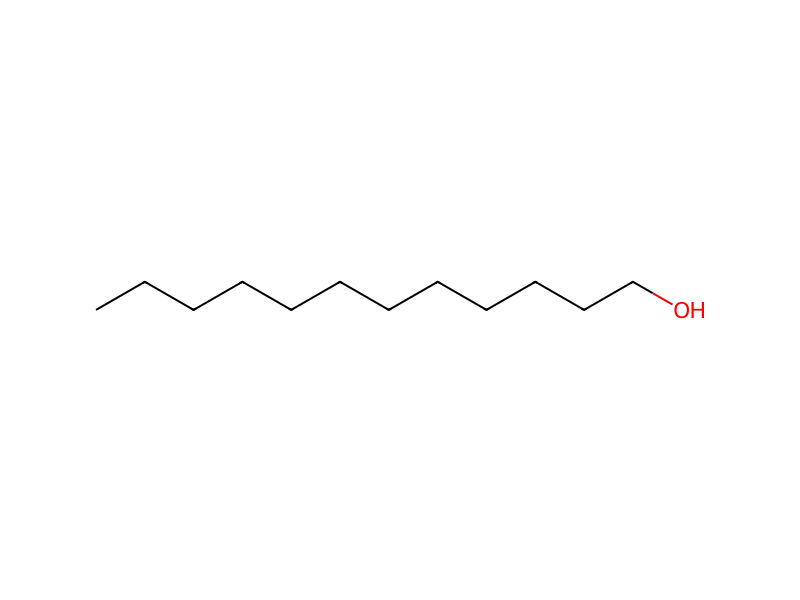



Versuchsvorschrift
A blend of 1,2,3,4-butane tetracarboxylic acid (28.5 g., 0.121 mole), dodecyl alcohol (21.8 grams, 0.118 mole), p-toluenesulfonic acid (0.1 gram, 0.6 mole) and 300 ml. (3.4 moles) of dioxane was placed in a Soxhlet apparatus containing 4A molecular sieve. The mixture was brought to reflux with the vapor condensate passing through the molecular sieve to remove water formed during the reaction. After 48 hours reflux, the dioxane solution was removed and stripped of solvent under reduced pressure (20 mm.). The residue (50 grams) showed the presence of both carboxylic acid and ester groups in the infrared.