StartseiteMCPSkillsWorkbenchOpenChem
StartseiteWorkbenchBenachrichtigungenMein Bereich
llms.txt · skill.md · MCP-AnleitungDatenschutz · Nutzungsbedingungen · Supportv1.8.5
  1. Startseite
  2. /Reaktion

Hydroxylamine HCl → 2-Benzalcyclohexanone oxime

HRID 1683737
Drucken

Reaktionsgleichung

[CH:1](=[C:8]1[CH2:13][CH2:12][CH2:11][CH2:10][C:9]1=O)[C:2]1[CH:7]=[CH:6][CH:5]=[CH:4][CH:3]=1.[Cl-].[OH:16][NH3+:17]>C(O)C>[CH:1](=[C:8]1[CH2:13][CH2:12][CH2:11][CH2:10][C:9]1=[N:17][OH:16])[C:2]1[CH:7]=[CH:6][CH:5]=[CH:4][CH:3]=1
KomponentenVersuchsvorschriftAufarbeitungQuellen und NachweiseNotizen zur Reaktion

Komponenten

4

Edukt 2

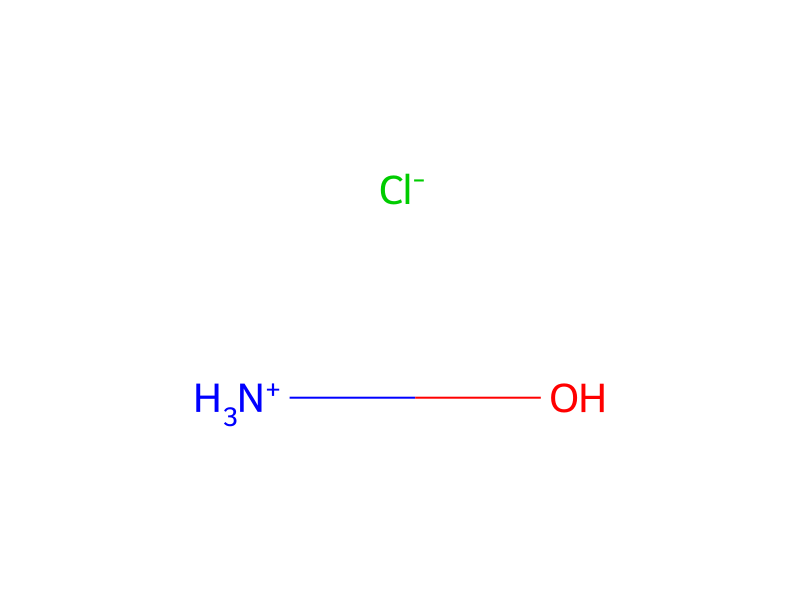
HCID 21645Hydroxylamine HClHCID 989262-Benzylidenecyclohexanone

Produkt 1

HCID 1891992-Benzalcyclohexanone oximeAusbeute 97,8 %

Reagenzien, Katalysatoren, Lösungsmittel 1

HCID 702EthanolLösungsmittel

Versuchsvorschrift

A mixture of 2-benzylidenecyclohexanone (3.5 g, 18.8 mmol, J. Chem. Soc. 1949, 2957), hydroxylammonium chloride (3.9 g, 56 mmol) and ethanol (50 ml) was stirred at ambient temperature for 3 days. The solvent was evaporated in vacuo and the residue was dissolved in a mixture of ethyl acetate (200 ml) and water (50 ml). The phases were separated and the aqueous phase was extracted with ethyl acetate (50 ml). The combined organic extracts were washed with water and dried (MgSO4). The solvent was evaporated in vacuo to give 3.7 g of 2-benzylidenecyclohexanone oxime as a solid. M.p. 114°-115° C.

Aufarbeitung

  1. customThe solvent was evaporated in vacuo
  2. dissolutionthe residue was dissolved in a mixture of ethyl acetate (200 ml) and water (50 ml)
  3. customThe phases were separated
  4. extractionthe aqueous phase was extracted with ethyl acetate (50 ml)
  5. washThe combined organic extracts were washed with water
  6. dry with materialdried (MgSO4)
  7. customThe solvent was evaporated in vacuo

Quellen und Nachweise

ORD-Eintrag
ord-cf68406217e949d2857bab85922d0897
Quelldatensatz
uspto-grants-1997_06
DOI
10.6084/m9.figshare.5104873.v1
Patentnummer
US05639766

Notizen zur Reaktion

Auf dieser SeiteKomponentenVersuchsvorschriftAufarbeitungQuellen und NachweiseNotizen zur Reaktion