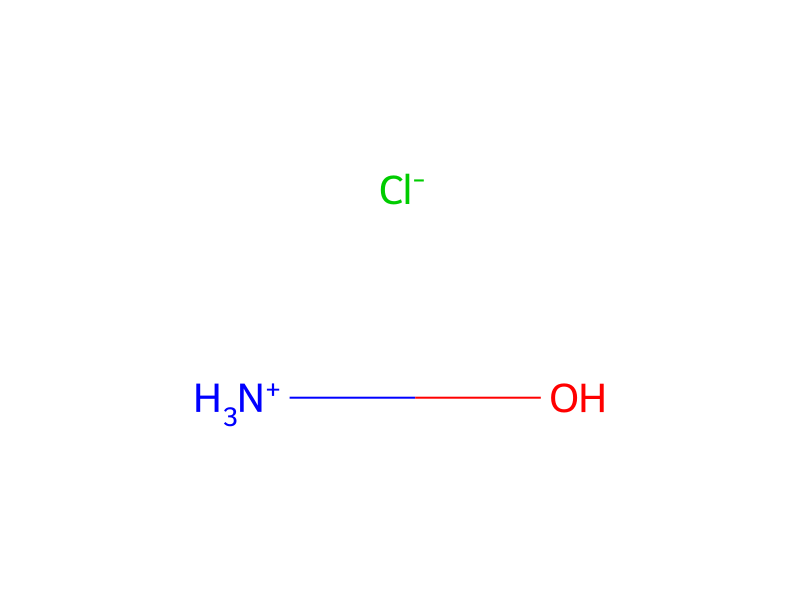
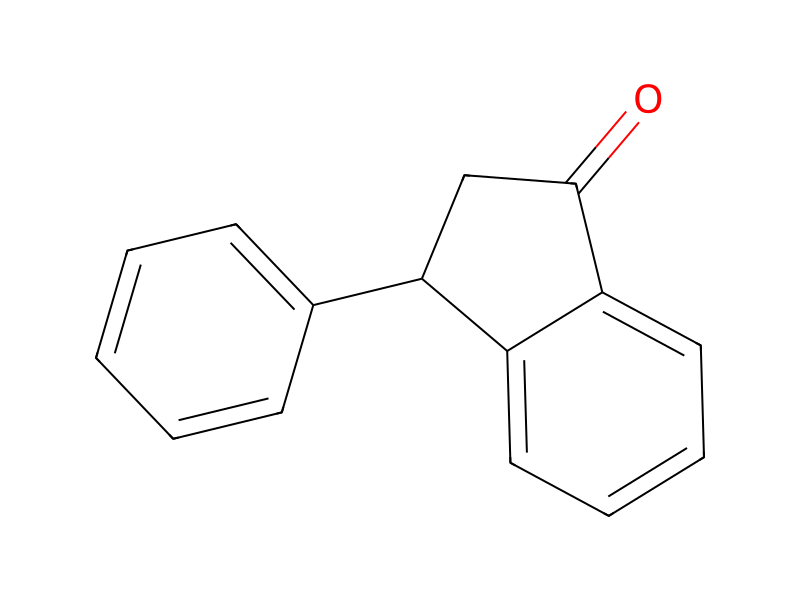
Hydroxylamine HCl → 3-Phenyl-1-indanone oxime
HRID 1683743
Reaktionsgleichung

[C:1]1([CH:7]2[C:15]3[C:10](=[CH:11][CH:12]=[CH:13][CH:14]=3)[C:9](=O)[CH2:8]2)[CH:6]=[CH:5][CH:4]=[CH:3][CH:2]=1.[Cl-].[OH:18][NH3+:19]>N1C=CC=CC=1>[C:1]1([CH:7]2[C:15]3[C:10](=[CH:11][CH:12]=[CH:13][CH:14]=3)[C:9](=[N:19][OH:18])[CH2:8]2)[CH:6]=[CH:5][CH:4]=[CH:3][CH:2]=1Komponenten
4
Edukt 2
Produkt 1

Reagenzien, Katalysatoren, Lösungsmittel 1

Versuchsvorschrift
A mixture of 3-phenyl-1-indanone (4.2 g, 20 mmol, J. Chem. Soc. 1949, 2957), hydroxylammonium chloride (2.8 g, 40 mmol) and pyridine (30 ml) was heated at reflux overnight. The reaction mixture was allowed to cool and the solvent was evaporated in vacuo. The residue was dissolved in ethyl acetate and washed with excess 10% citric acid solution. The organic phase was dried (MgSO4) and the solvent evaporated in vacuo to give a solid which was triturated with a mixture of cyclohexane and ethyl acetate. The solid was isolated by filtration and dried in air to give 2.8 g of 3-phenyl-1-indanone oxime as a solid. M.p. 123°-125° C.