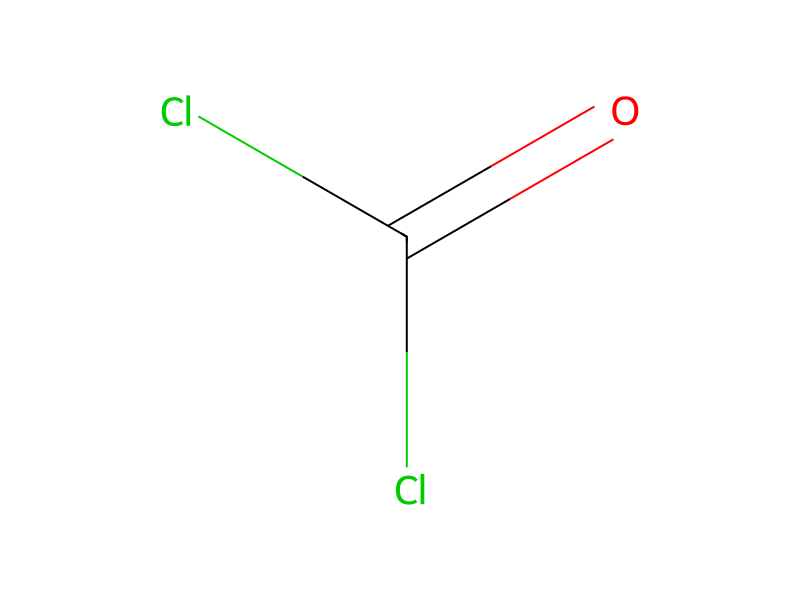
[Br:1][C:2]1[CH:7]=[C:6]([Cl:8])[C:5]([O:9][CH2:10][CH2:11][O:12][Si:13]([C:16]([CH3:19])([CH3:18])[CH3:17])([CH3:15])[CH3:14])=[CH:4][C:3]=1[NH2:20].N1C=CC=CC=1.[C:27](Cl)(Cl)=[O:28]>C1(C)C=CC=CC=1.CN(C1C=CN=CC=1)C>[Br:1][C:2]1[C:3]([N:20]=[C:27]=[O:28])=[CH:4][C:5]([O:9][CH2:10][CH2:11][O:12][Si:13]([C:16]([CH3:17])([CH3:19])[CH3:18])([CH3:14])[CH3:15])=[C:6]([Cl:8])[CH:7]=1To a solution of 2-bromo-5-[2-(tert-butyl-dimethyl-silanyloxy)-ethoxy]-4-chloro-phenylamine (0.15 g, 0.393 mmol) in toluene (3 ml) was added pyridine (0.038 ml, 0.472 mmol), DMAP (0.048 g, 0.393 mmol) and 20% phosgene in toluene (0.224 ml, 0.433 mmol). The mixture was stirred at room temperature for two hours. The mixture was filtered and the filtrate was concentrated to dryness under reduced pressure to give [2-(4-bromo-2-chloro-5-isocyanato-phenoxy)-ethoxy]-tert-butyl-dimethyl-silane (0.155 g) as a white solid, which was used directly in the next step.