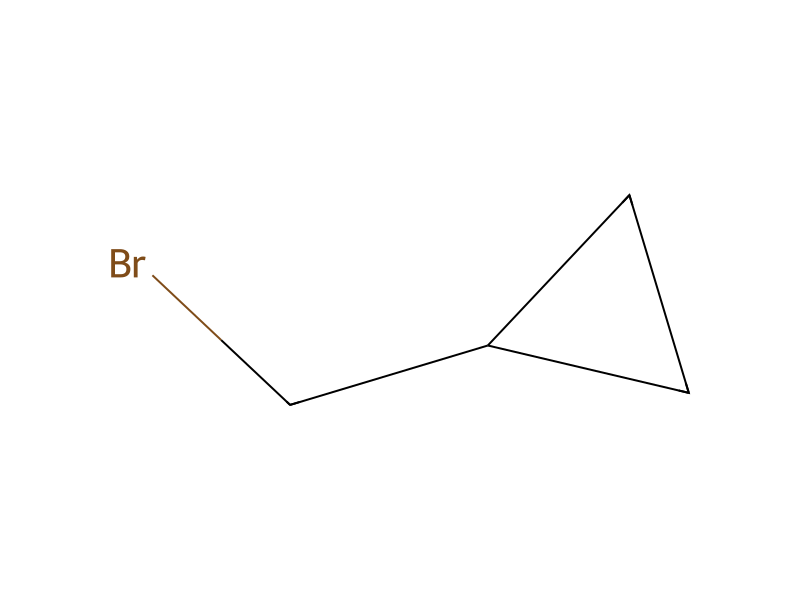
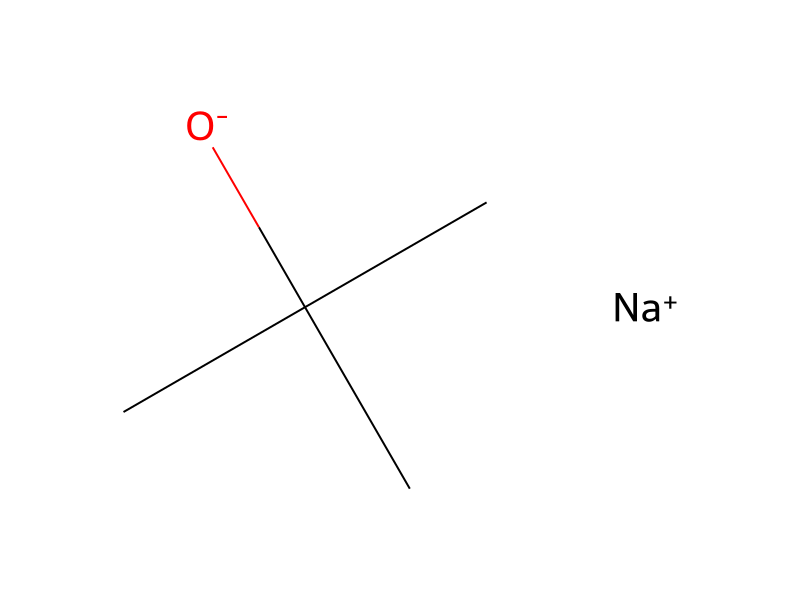
[Cl:1][C:2]1[N:11]=[CH:10][C:9]2[NH:8][C:7](=[O:12])[CH:6]3[CH2:13][O:14][CH2:15][CH2:16][N:5]3[C:4]=2[N:3]=1.[CH3:17][C:18]([CH3:21])([O-])[CH3:19].[Na+].BrCC1CC1.O>CS(C)=O>[Cl:1][C:2]1[N:11]=[CH:10][C:9]2[N:8]([CH2:17][CH:18]3[CH2:21][CH2:19]3)[C:7](=[O:12])[CH:6]3[CH2:13][O:14][CH2:15][CH2:16][N:5]3[C:4]=2[N:3]=1To a mixture of 2-chloro-6a,7,9,10-tetrahydro-[1,4]oxazino[3,4-h]pteridin-6(5H)-one (3 g, 12.47 mmol) in DMSO (10 mL) cooled in an ice water bath was added sodium tert-butoxide (1.32 g, 13.7 mmol). After 15 minutes stirring, the mixture was allowed to warm up to room temperature and stirred for 45 minutes. Then (bromomethyl)cyclopropane (1.27 mL, 13 mmol) was added dropwise in 12 minutes and the resulting mixture stirred at room temperature for 15 hours. Water was added and the resulting yellow precipitate was collected by vacuum filtration and washed repeatedly with water. The solid was subjected to vacuum for 4 hours to give 2-chloro-5-(cyclopropylmethyl)-6a,7,9,10-tetrahydro-[1,4]oxazino[3,4-h]pteridin-6(5H)-one as a yellow solid (3.57 g, 97%). MS [M+H] found 295.2.