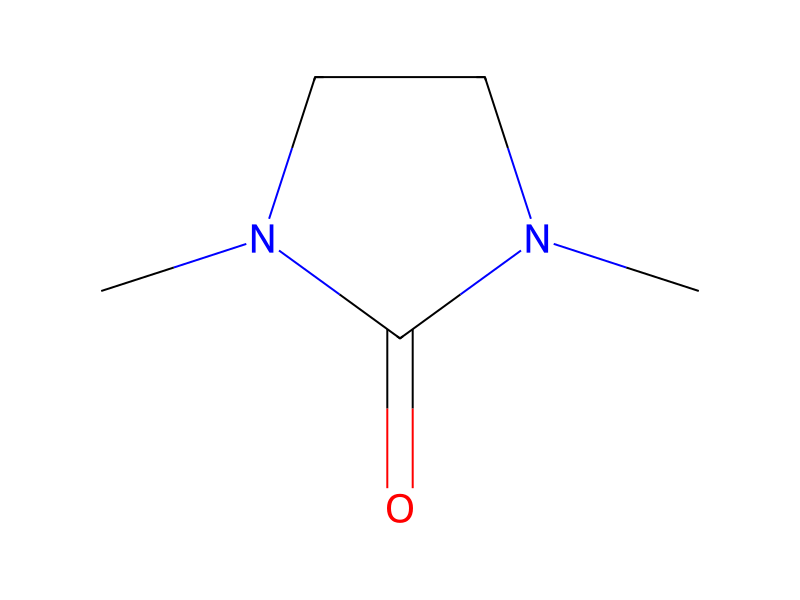
Cl[C:2]1[C:7]([F:8])=[CH:6][N:5]=[C:4]2[NH:9][CH:10]=[CH:11][C:3]=12.[NH:12]1[CH2:17][CH2:16][CH2:15][CH:14]([C:18]([NH2:20])=[O:19])[CH2:13]1.C(N(CC)C(C)C)(C)C>CN1C(=O)N(C)CC1.CCOC(C)=O.C(=O)([O-])O.[Na+]>[F:8][C:7]1[C:2]([N:12]2[CH2:17][CH2:16][CH2:15][CH:14]([C:18]([NH2:20])=[O:19])[CH2:13]2)=[C:3]2[CH:11]=[CH:10][NH:9][C:4]2=[N:5][CH:6]=1A mixture of 4-chloro-5-fluoro-1H-pyrrolo[2,3-b]pyridine (30 mg), 3-piperidinecarboxamide (45 mg) and N,N-diisopropylethylamine (30 μL) in DMI (0.4 mL) was heated in the microwave reactor (200° C., 2 hours). The reaction mixture was allowed to cool to ambient temperature and diluted with EtOAc (10 mL) and half-saturated aqueous sodium hydrogencarbonate (10 mL). The aqueous phase was extracted with EtOAc (2×10 mL) and combined organic layers were washed with brine (20 mL), dried over MgSO4, and concentrated. Purification of the crude product by preparative silica gel thin-layer chromatography (EtOAc) gave 1-(5-fluoro-1H-pyrrolo[2,3-b]pyridin-4-yl)-3-piperidinecarboxamide (5 mg) as a pale brown solid.