Reaktionsgleichung

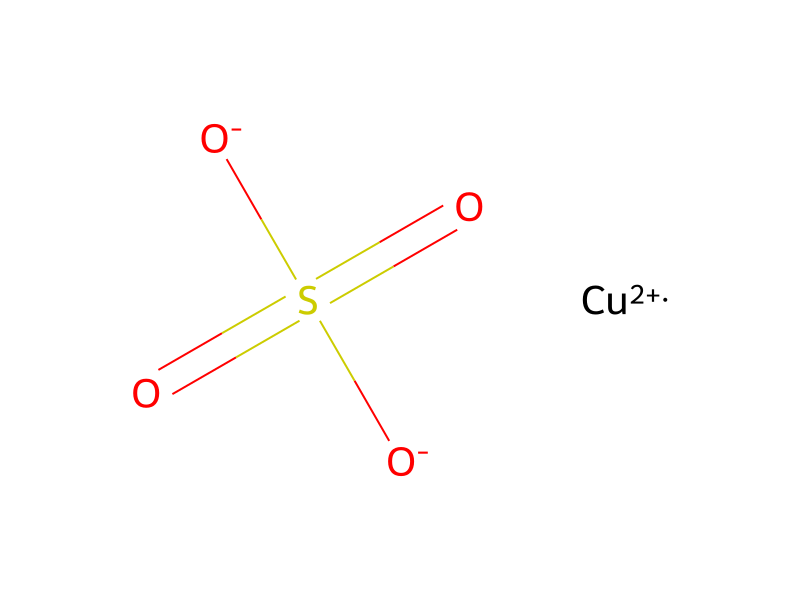
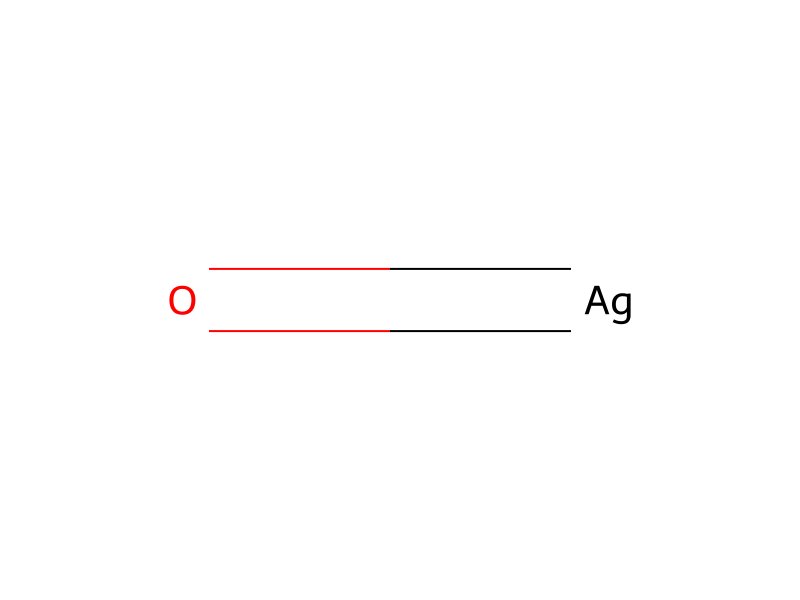
Cl[C:2]1[N:7]=[C:6]([Cl:8])[C:5]([Cl:9])=[C:4]([Cl:10])[C:3]=1[Cl:11].O.NN.N(C1C=CC=CN=1)N.ClC1N=C(Cl)C(Cl)=C(NN)C=1Cl>C(O)C.S([O-])([O-])(=O)=O.[Cu+2].[Ag]=O>[Cl:11][C:3]1[C:4]([Cl:10])=[C:5]([Cl:9])[C:6]([Cl:8])=[N:7][CH:2]=1Komponenten
8
Edukt 4




Produkt 1

Reagenzien, Katalysatoren, Lösungsmittel 3

Versuchsvorschrift
Another method of preparing tetrachloropyridines is taught in Collins et al., J. Chem. Soc. (C) pages 167-174 (1971) wherein pentachloropyridine is reacted with hydrazine hydrate in ethanol and the resulting tetrachloro-4 and/or 2-hydrazinopyridine is oxidized with aqueous copper sulfate or silver oxide in ethanol. This reference also teaches pyrolyzing tetrachloro-4-hydrazinopyridine in sand at 160° C. to yield tetrachloropyridine. In addition, this reference teaches the preparation of 2,3,6-trichloropyridine from the reaction of tetrachloro-4-hydrazinopyridine with cuprous oxide in hot water.
Aufarbeitung
- customat 160° C.
Quellen und Nachweise
- ORD-Eintrag
- ord-4c6c63d271f0442288fa304b35f89b8e
- Quelldatensatz
- uspto-grants-1978_11
- Patentnummer
- US04127575
Verknüpfte Notizen
Wird geladen…