StartseiteMCPWorkbenchSkills
StartseiteWorkbenchBenachrichtigungenMein Bereich
llms.txt · MCP-AnleitungDatenschutz · Nutzungsbedingungen · Supportv1.8.3
  1. Startseite
  2. /Reaktion

3,4-dihydro-2H-pyran → 2-(3-Iodo-benzyloxy)-tetrahydro-pyran

HRID 17106
Drucken

Reaktionsgleichung

Reaktionsgleichung von HRID 17106
[I:1][C:2]1[CH:3]=[C:4]([CH:7]=[CH:8][CH:9]=1)[CH2:5][OH:6].[O:10]1[CH:15]=[CH:14][CH2:13][CH2:12][CH2:11]1>ClCCl.C1(C)C=CC(S(O)(=O)=O)=CC=1>[I:1][C:2]1[CH:3]=[C:4]([CH:7]=[CH:8][CH:9]=1)[CH2:5][O:6][CH:11]1[CH2:12][CH2:13][CH2:14][CH2:15][O:10]1
KomponentenVersuchsvorschriftAufarbeitungQuellen und NachweiseNotizen zur Reaktion

Komponenten

5

Edukt 2

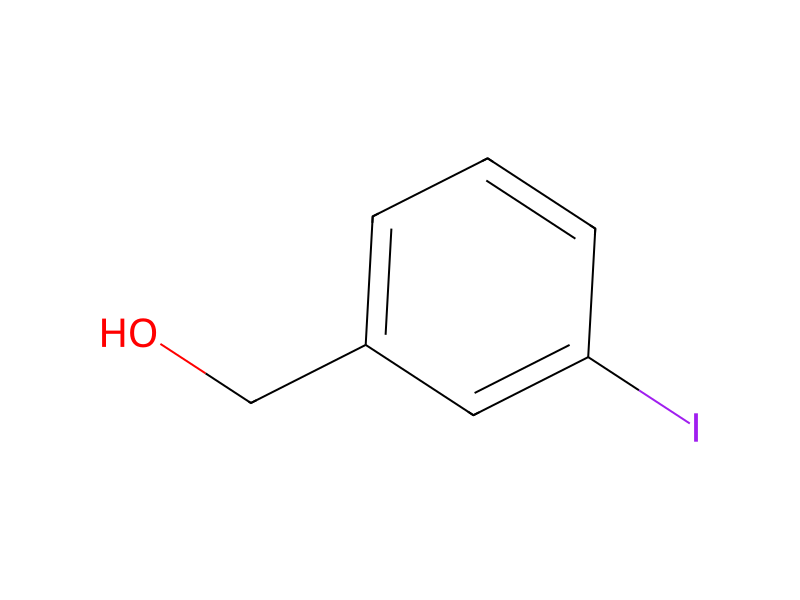
HCID 80803,4-dihydro-2H-pyranHCID 423003-Iodobenzyl alcohol

Produkt 1

HCID 601336982-(3-Iodo-benzyloxy)-tetrahydro-pyranAusbeute 103,6 %

Reagenzien, Katalysatoren, Lösungsmittel 2

HCID 6101p-Toluenesulfonic acidKatalysatorHCID 6344DichloromethaneLösungsmittel

Versuchsvorschrift

para-Toluenesulfonic acid (100 mg, cat.) was added in one portion to a cooled solution (0 C) of 3-iodobenzyl alcohol (4.71 g, 0.02 mol) and dihydropyran (1.86 g, 0.022 mol) in dichloromethane (50 mL) under a nitrogen atmosphere. The cooling bath was removed and the reaction mixture was allowed to warm to room temperature over 1 hr. Diethyl ether (100 mL) was then added followed by saturated sodium hydrogen carbonate solution (100 mL). The organic layer was separated, dried (MgSO4) and evaporated in vacuo to yield the crude product (6.59 g) A332.1, which was used immediately without further purification. HPLC YMC S-5 4.6×33 mm (2 min grad): retention time 2.16 min, no M+H+ observed.

Aufarbeitung

  1. customThe cooling bath was removed
  2. additionDiethyl ether (100 mL) was then added
  3. customThe organic layer was separated
  4. dry with materialdried (MgSO4)
  5. customevaporated in vacuo

Quellen und Nachweise

ORD-Eintrag
ord-13b29cc03d364b6f9c3b6efe538009bf
Quelldatensatz
uspto-grants-2010_06
DOI
10.6084/m9.figshare.5104873.v1
Patentnummer
US07737279B2

Notizen zur Reaktion

Auf dieser SeiteKomponentenVersuchsvorschriftAufarbeitungQuellen und NachweiseNotizen zur Reaktion